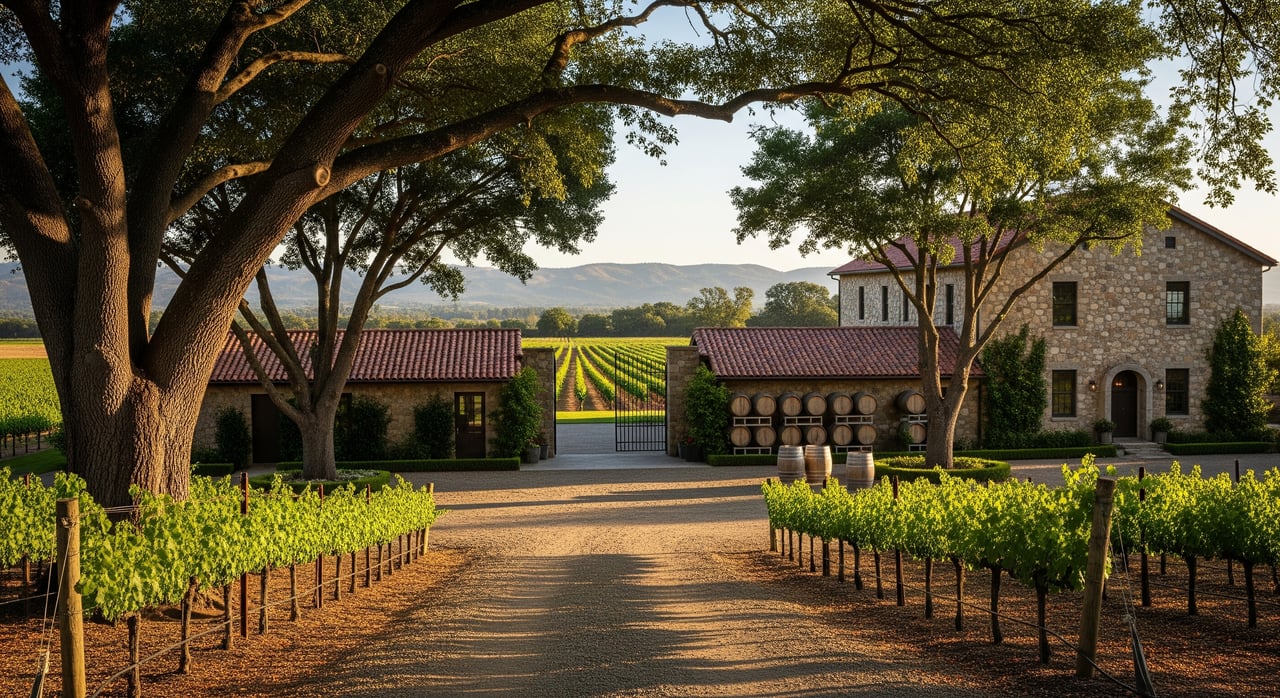
Thinking about selling your Oakville vineyard? This is not a typical home sale. You are stewarding a legacy agricultural asset where terroir, permits, production, and timing all influence value. In this guide, you will learn what sets Oakville vineyard sales apart, why specialized representation matters, how to prepare your property and documents, and what to expect from buyers and the deal process. Let’s dive in.
Oakville’s advantage and buyer expectations
Oakville sits within a renowned Napa Valley AVA known for premium Cabernet Sauvignon and other Bordeaux varieties. Buyers pay close attention to terroir: soil series and depth, drainage, slope and bench versus valley floor, aspect, elevation, and microclimate. They also evaluate vineyard infrastructure such as varietals and rootstock, vine age and density, trellis and irrigation systems, and any winery-related facilities or permits.
Production history is another driver. Recent yields, Brix and TA at harvest, and disease or smoke-taint history all shape perceived quality and price. Reliable water is essential, so well capacity, surface water rights, and irrigation documentation matter to serious buyers.
Why specialized representation matters
Selling a vineyard requires skills that go beyond residential brokerage. The right advisor can protect value, streamline diligence, and reach the correct buyer pool.
Pricing and valuation
Vineyard value reflects both land and operating assets. You need a valuation method that weighs Oakville AVA land value per acre, vine age and remaining productive life, production income and grape contracts, and the worth of infrastructure and buildings. Specialists often coordinate agricultural appraisers who apply income, cost, and sales comparison approaches suited to viticultural property.
Marketing to the right buyers
The buyer pool is narrower and more specialized. Likely candidates include established vintners, custom-crush operators, family offices, and international investors seeking proven terroir. Effective marketing emphasizes viticultural assets with soil analyses, vine maps, production records, and water documentation rather than only lifestyle photography.
Deal structure and timing
Vineyard deals often include the assignment of grape contracts, transfer of equipment and inventory, and escrow holdbacks tied to post-harvest outcomes. Timing matters. Offers may be structured around harvest, water delivery seasons, and fermentation windows to avoid operational disruption and to verify yields.
Due diligence and disclosure
Buyers expect a robust data package. You will need pesticide and herbicide application logs, irrigation and water-rights records, production history, vine age maps, and any winery permit records. A specialized representative coordinates consultants such as viticulturists, soils experts, and enologists to prepare reports and respond to technical questions.
Permits and entitlements
Napa County zoning and winery use permits carry specific rules. An experienced agent can flag potential permit issues early, clarify what uses are allowed, and advise on the transferability of approvals. This insight helps you avoid surprises and supports accurate pricing.
Risk management
Wildfire risk and insurance availability remain top of mind in Napa Valley. A seasoned representative will guide defensible-space steps, anticipate insurer questions, and recommend environmental assessments if financing requires them. This preparation makes your property more marketable and reduces closing risk.
Seller checklist and preparation
A complete, well-organized dossier builds buyer confidence and shortens diligence. Use this checklist to get ahead.
Essential documents
- Title report, deed, and list of easements or encumbrances.
- Detailed vineyard map by block with varietals, vine age, rootstock, and spacing.
- Production records for the last 3 to 5 years: yields, harvest dates, Brix and TA if available.
- Pest and disease history with IPM and spray logs.
- Irrigation and water files: well logs, diversion permits, water rights, delivery contracts, and system plans.
- Soil reports and any site-specific tests, plus NRCS references if available.
- Contracts: grape purchase agreements, custom crush, management, labor, and leases.
- Equipment list with condition and serial numbers for powered equipment.
- Permits and approvals: winery use permits, building permits, septic and grading records, conservation easements.
- Insurance claims history and wildfire mitigation documentation.
- Financials if selling an operating business: P&L and balance sheets.
Technical prep and inspections
- Recent vineyard health review by a viticulturist for phylloxera, trunk disease, and nematodes.
- Water system inspection with documented flow rates and capacity.
- Fire defensible-space and vegetation management compliance.
- Phase I Environmental Site Assessment if buyer financing is likely.
- A recent appraisal or broker valuation from a vineyard-experienced professional.
Property presentation
- Clean and clearly signed access roads and parking for private showings.
- High-quality photography and drone footage with labeled block maps.
- A secure data room with the full documentation package for qualified buyers.
Timeline planning
- Coordinate listing and showings with harvest and crush schedules. Many buyers prefer post-harvest inspections to confirm yields and quality.
- Expect a longer marketing window than a typical home sale due to the specialized buyer pool and diligence steps.
What buyers will scrutinize
Understanding buyer priorities helps you prepare and price with confidence.
- Valuation drivers: Oakville terroir specifics, block performance, appellation placement, infrastructure, and vine age or replant needs.
- Contracts and continuity: Transferability and terms of grape purchase agreements and any third-party winery relationships.
- Environmental and operational risk: Spray records, any unpermitted improvements or violations, and past insurance claims.
- Zoning and future uses: Options for winery facilities, tasting areas, or hospitality uses subject to county rules and any easements.
- Insurance and financing: Insurability in a wildfire area and lender requirements for appraisals and environmental review.
Build the right team
Specialized representation brings together the experts your sale requires.
- Vineyard-focused listing agent to reach industry buyers and coordinate due diligence.
- Independent viticulturist to document vine health, maps, and production projections.
- Agricultural appraiser with viticultural experience for formal valuation.
- Attorney experienced in agricultural and Napa real estate transactions.
- CPA or tax advisor for 1031 exchange and capital gains planning.
- Title company familiar with agricultural easements and water-rights issues.
- Environmental and soils consultants as needed, including Phase I ESA.
- Permit or land-use planner for questions about winery and hospitality entitlements.
- Insurance broker experienced with vineyards in wildfire-prone regions.
How the right representation elevates your outcome
In Oakville, buyers expect proof, not generalities. A specialized team assembles the technical record, positions your terroir and production story, and manages confidentiality while reaching qualified vintners, investors, and estate buyers. That combination preserves operational continuity and supports a premium price.
With a boutique, marketing-first approach and deep vineyard expertise, the Hillary Ryan Group pairs Oakville knowledge with concierge-level service. A dedicated Marketing and Listing Director produces property microsites, high-caliber visuals, and targeted outreach to qualified buyers, while Sotheby’s global distribution extends your reach. Verified production and top-tier results underscore a disciplined, data-backed process that respects your legacy.
Ready to discuss your Oakville vineyard sale? Contact the Hillary Ryan Group to Request a Private Consultation.
FAQs
How are Oakville vineyard prices determined?
- Pricing reflects AVA land value, vine age and remaining life, production income and grape contracts, and the value of infrastructure and permits evaluated by vineyard-experienced appraisers.
How long does an Oakville vineyard sale take?
- Expect a longer timeline than a home sale due to harvest cycles, specialized marketing, and technical diligence that may include appraisals, environmental review, and permit verification.
What documents should I prepare before listing an Oakville vineyard?
- Assemble title and easements, vineyard and block maps, 3 to 5 years of production records, spray logs, water-rights files, soil reports, contracts, equipment lists, permits, insurance history, and financials if selling a business.
How do grape contracts impact a vineyard sale in Napa?
- Buyers will review transferability, pricing, and quality expectations; negotiations often address assignment terms or restructured agreements to ensure revenue continuity.
Can I use a 1031 exchange when selling a vineyard?
- Many sellers use a 1031 like-kind exchange to defer capital gains, but eligibility and structure should be evaluated with a qualified CPA or tax attorney.
How do wildfires affect selling an Oakville vineyard?
- Buyers and lenders may require proof of defensible space, insurance viability, and recent production quality; clear documentation and mitigation steps help reduce perceived risk.