If you are selling a luxury home in Napa, you are not just bringing a property to market. You are presenting a lifestyle, a setting, and a point of view. In a destination-driven market shaped by Wine Country identity, thoughtful marketing can influence how buyers understand value from the very first impression. This is where a deliberate launch matters, and why our process is built to position Napa luxury homes with clarity, discretion, and purpose. Let’s dive in.
Napa Luxury Marketing Starts With Positioning
Luxury marketing in Napa begins long before photography or advertising. It starts with understanding what makes your property distinct within a region that draws global attention for its landscape, hospitality, and lifestyle appeal.
Visit Napa Valley reported 3.7 million visitors in 2023, along with $2.5 billion in visitor spending and $107.5 million in local tax revenue. That scale of visibility matters because many luxury buyers are not only comparing homes. They are comparing experiences, settings, and long-term lifestyle fit.
That is why we treat Napa luxury-home marketing as destination marketing. A home in Napa is rarely just about square footage or finishes. It may also be about vineyard adjacency, architectural character, privacy, indoor-outdoor living, or a specific connection to the valley’s micro-location.
Micro-Location Matters in Napa
Not every Napa property should be marketed with the same message. The valley includes 16 AVAs, and those sub-appellations differ in climate, elevation, and terrain. Even when a buyer is focused broadly on Napa Valley, the exact setting often shapes the property story.
A home in the City of Napa may appeal to a different buyer than an estate in St. Helena, Yountville, Rutherford, Oakville, or Calistoga. The daily experience, land profile, and surrounding context can all change how a property is perceived.
This is one reason generic market language often falls flat at the high end. Napa County data and Napa city data are not interchangeable, and luxury properties require their own positioning rather than a one-size-fits-all market narrative.
Our Process Begins With Private Consultation
Every luxury launch starts with a private conversation about your goals. Some sellers want broad exposure and momentum from day one. Others prioritize privacy, timing, or a more selective release.
That decision should not be treated as an afterthought. It should shape the entire campaign from the beginning, including prep, visuals, audience targeting, and rollout sequence.
For some properties, a public launch is the right move. For others, a phased or private strategy may create a better fit, especially when discretion is part of the value proposition.
Pre-Listing Preparation Is Part of the Product
In Napa, preparation is not separate from marketing. It is part of the product itself. Before a listing goes live, the property should feel aligned with its architecture, setting, and buyer profile.
The City of Napa’s residential design guidelines emphasize architecture and town-planning traditions rooted in historic styles, climate response, and the area’s rural and agricultural economy. Those same guidelines support preserving or incorporating historic and traditional agricultural houses, landscape features, and natural landforms.
That matters because thoughtful preparation in Napa should not make a home feel generic. It should sharpen what is already true about the property. For one home, that may mean refining the landscape and exterior approach. For another, it may mean elevating flow, light, and presentation while preserving original character.
What We Evaluate Before Launch
Our approach is hands-on and strategic. Before we market a luxury home, we review the details that may affect both presentation and buyer confidence.
This typically includes:
- Property character and architectural style
- Interior and exterior presentation priorities
- Landscape condition and curb appeal
- Documentation and due-diligence preparation
- Visual opportunities for photography and video
- Whether the property is best suited for public or private release
Hillary Ryan Group’s public team model reflects this kind of workflow. Alexa Weber, the team’s Director of Strategic Marketing & Due Diligence, is described as leading campaign strategy while also handling due-diligence preparation, inspections, disclosures, and documentation before a listing goes live.
Napa-Specific Details Can Affect the Launch
A polished campaign also requires local awareness. Certain Napa property factors can affect timing, buyer questions, and how a home should be introduced to the market.
For example, Napa County requires documentation of a compliant defensible-space inspection before sale under AB 38 for properties in high or very high fire hazard severity zones. County guidance also emphasizes about 100 feet of protected space around structures.
Flood exposure can also matter. Napa County regulates private development in the 100-year flood zone and notes that homeowners insurance does not cover flood damage.
For rural, vineyard, and acreage properties, water and well considerations may also shape buyer interest. The Napa Valley Subbasin is under groundwater sustainability planning, and the county adopted groundwater sustainability fees in December 2025 for many properties outside municipal water service areas in the subbasin.
These are not marketing footnotes. In many cases, they influence prep strategy, timing, and how a listing is framed for serious buyers.
Visual Storytelling Should Feel Editorial
Once the property is ready, visual production becomes one of the most important parts of the campaign. But luxury visuals should do more than document rooms. They should communicate atmosphere, design, and the way the home lives.
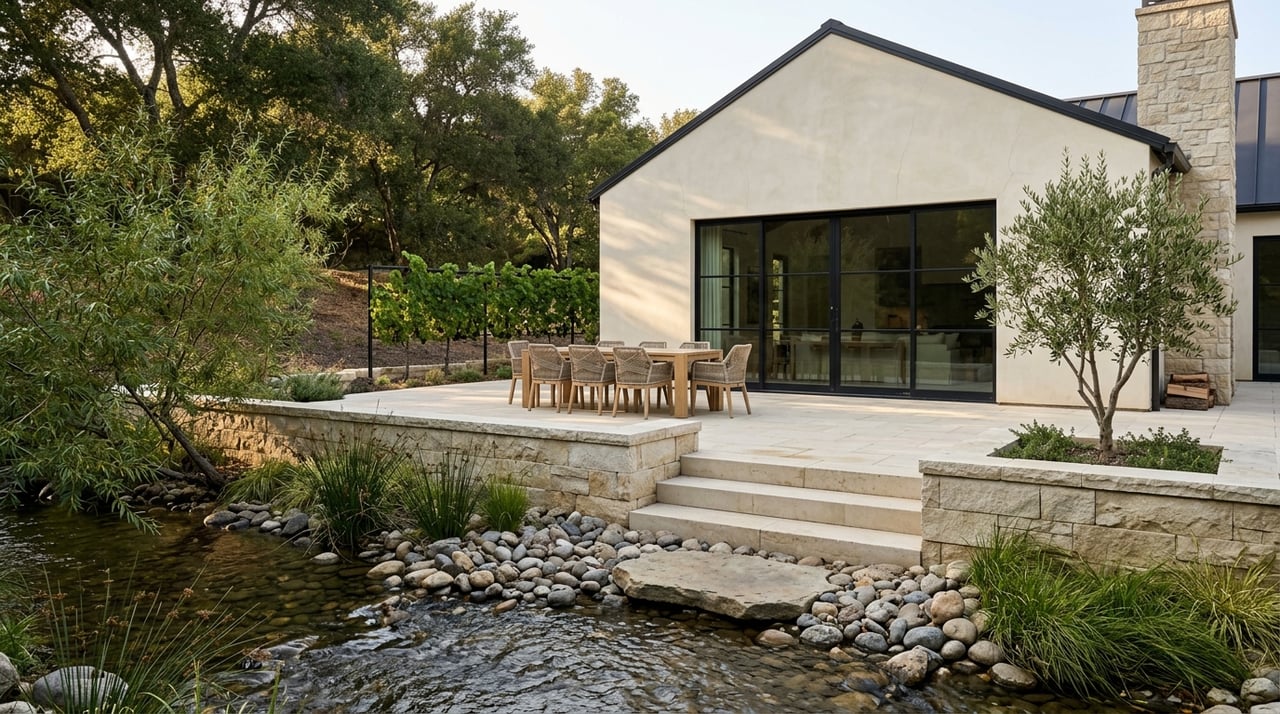
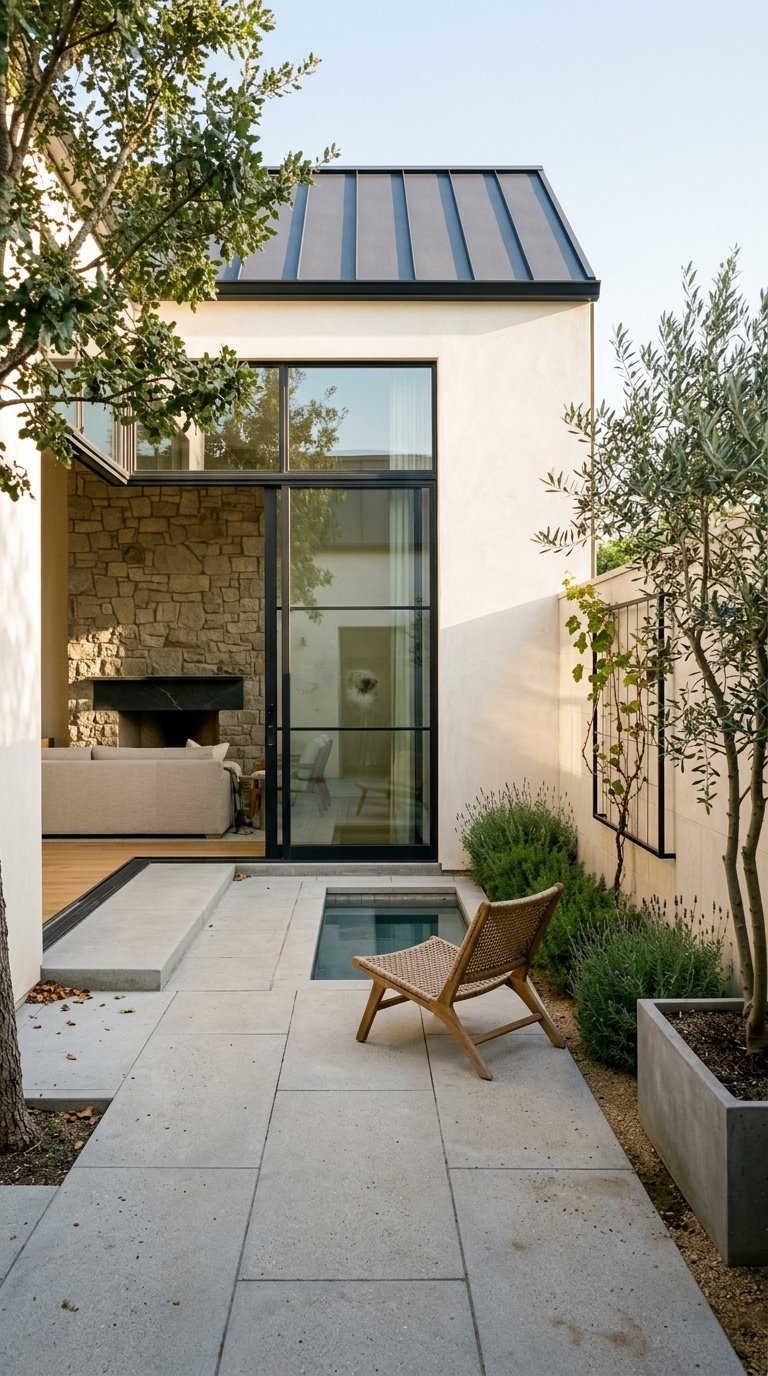
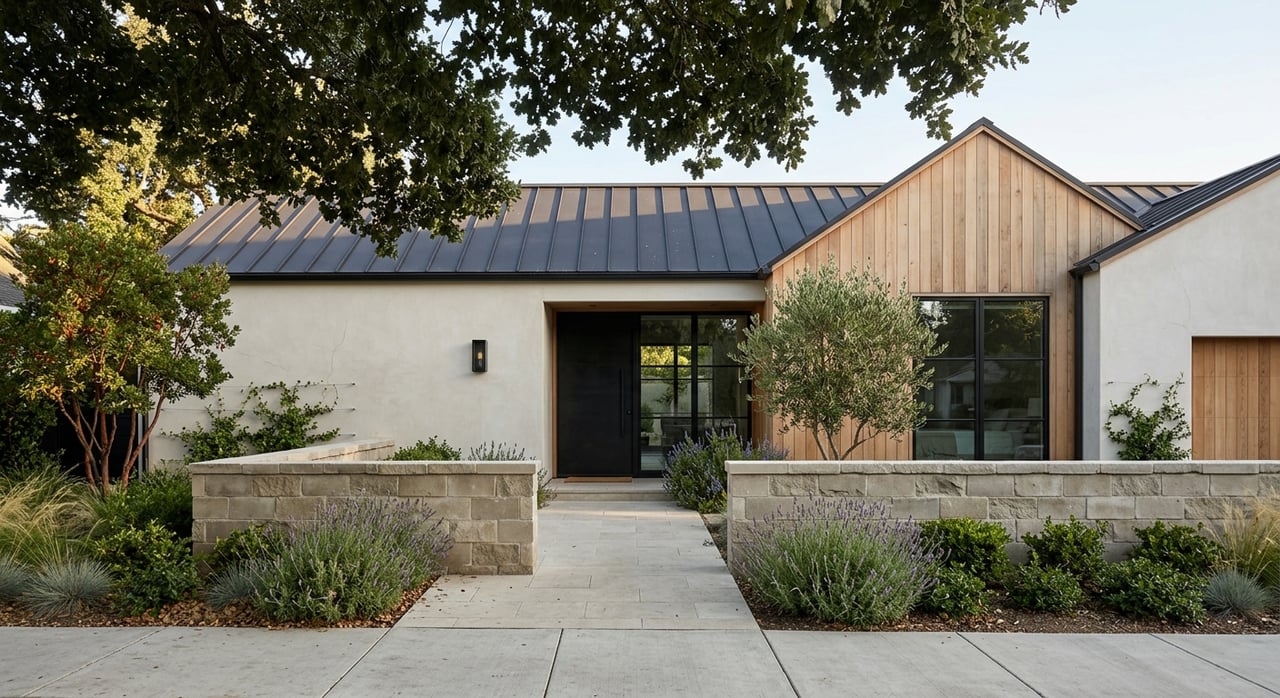
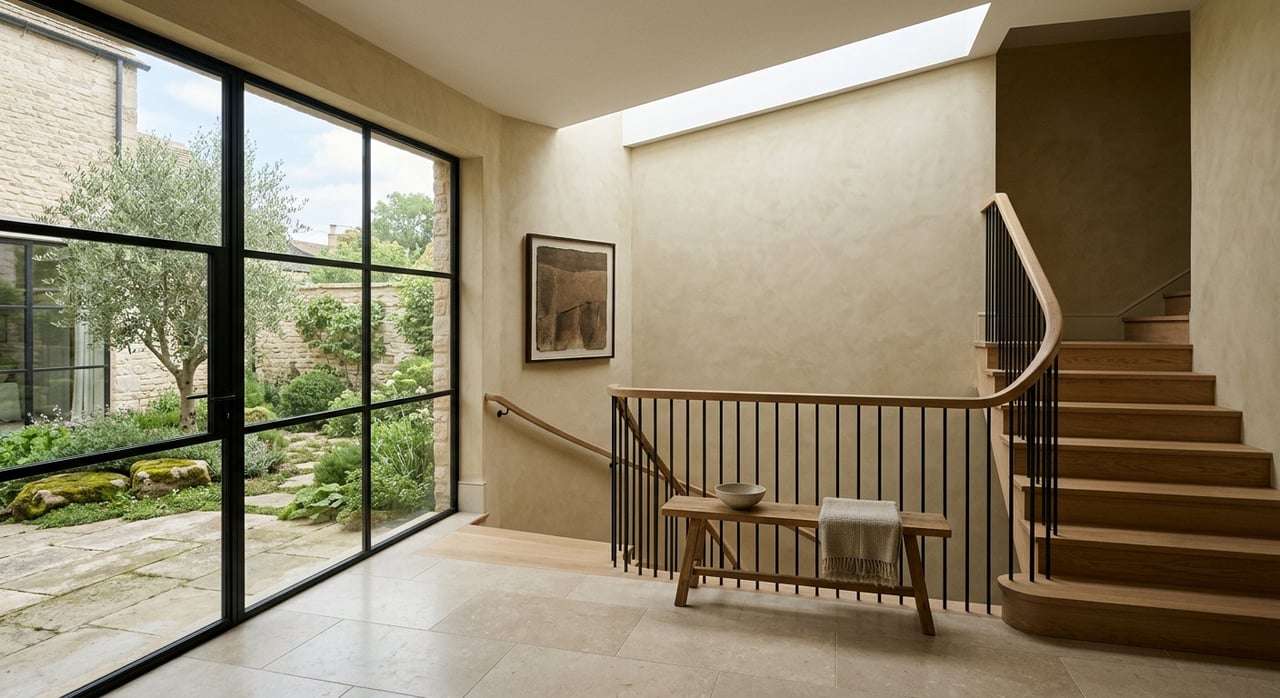
In Napa, buyers often respond to sequence and setting as much as individual features. Arrival experience, natural light, landscape integration, entertaining spaces, and the relationship between interior and exterior areas all matter.
That is why our visual approach is designed to feel editorial rather than mechanical. We focus on the details that support the home’s identity, whether that is a modern estate with expansive glass, a legacy property with land context, or a compound-style residence built for hosting and retreat.
Copywriting Shapes Perceived Value
Luxury buyers notice language. The strongest listing copy does not rely on hype. It creates a clear narrative around provenance, design, setting, and lifestyle.
In Napa, that often means writing with geographic precision and architectural awareness. A home’s materials, orientation, privacy, views, acreage, or relationship to the surrounding landscape may deserve as much attention as its room count.
Good copy also helps the right buyers self-identify. When the messaging is precise, it attracts people who understand the asset and see why it stands apart.
Distribution Must Match the Property
Once the property is prepared and the story is defined, distribution becomes the next strategic layer. This is where many campaigns become too broad or too generic.
Our view is that the marketing stack should feel coordinated, not mechanical. Hillary Ryan Group publicly describes a campaign model that combines market analytics, creative direction, premium visuals, social storytelling, and targeted digital advertising across channels such as Google, YouTube, and Meta.
That kind of orchestration matters because different properties require different buyer pathways. Some homes benefit from wide digital reach. Others benefit from highly selective exposure and a more controlled audience.
What the Sotheby’s Network Adds
For Napa luxury homes, local expertise is essential. Global reach can also be a meaningful advantage. That combination is part of what shapes our approach.
Sotheby’s International Realty reported that in 2025 its network included more than 1,100 offices across 86 countries and territories, with nearly 26,000 sales associates, nearly US$7 billion in global referrals, 1.38 million social followers, and about 42 million website visits.
For sellers, that supports more than standard listing visibility. It adds a broader audience framework for properties that may resonate with buyers from outside Napa Valley, including second-home buyers and globally mobile luxury consumers.
Public Versus Private Launch Strategy
Not every luxury listing should follow the same path. In some cases, a full public debut creates the right momentum. In others, a quieter launch may better serve the seller’s priorities.
Discretion is an important part of luxury representation. Hillary Ryan Group’s brand explicitly references off-market and private transactions, and the Sotheby’s platform includes confidential listing capabilities for clients who value privacy.
A selective approach can make sense when the property is highly personal, when timing needs to be controlled, or when the goal is to reach a curated buyer pool first. The key is that the strategy is intentional, not reactive.
Marketing Vineyard and Acreage Properties Differently
Vineyard-adjacent estates, rural parcels, and acreage properties need their own marketing lens. These properties are often evaluated not just for beauty, but for land fundamentals, infrastructure considerations, and long-term use potential.
That means the campaign should give proper weight to land context, privacy, access, views, water considerations, and the broader setting. A city home and a rural estate may both be luxury properties, but the buyer decision-making process is often very different.
This is where an analytical, risk-aware approach matters. For complex properties, buyers tend to respond best when the presentation is both refined and grounded in clear information.
Why Our Approach Is Process-Driven
We believe the best marketing is the result of a disciplined process. It should move from consultation to review, from preparation to visual production, and from story development to targeted distribution.
That process is designed to reduce guesswork and elevate decision quality. It also helps create a more cohesive launch, which is especially important in a market where buyers are often sophisticated and highly selective.
In Napa, luxury real estate is rarely just about putting a home online and waiting for interest. It is about preparing the asset, defining the narrative, and bringing it to market in a way that reflects both the property and the audience.
If you are considering a sale, the right marketing plan should feel calm, tailored, and deeply informed by Napa itself. To start a private conversation, contact Hillary Ryan Group.
FAQs
How is luxury home marketing in Napa different from standard home marketing?
- Luxury home marketing in Napa often centers on destination appeal, micro-location, architectural character, land context, and buyer discretion rather than broad, generic exposure alone.
Why does micro-location matter for a Napa luxury property?
- Napa Valley includes distinct areas with different climate, elevation, terrain, and lifestyle context, so precise location can shape buyer interest and the overall marketing strategy.
What does pre-listing preparation mean for a Napa luxury home?
- Pre-listing preparation means refining the property’s presentation, reviewing documentation, and making thoughtful decisions about design, landscape, and launch readiness before going to market.
What local issues can affect a Napa luxury listing launch?
- Depending on the property, factors like defensible-space requirements in fire hazard zones, flood-zone exposure, and groundwater considerations for rural properties may affect timing and buyer questions.
When should a Napa luxury seller consider a private listing strategy?
- A private listing strategy may be worth considering when privacy, controlled timing, or a curated buyer pool is more important than a broad public launch.
What does the Sotheby’s affiliation add to Napa luxury home marketing?
- The Sotheby’s network adds an additional layer of reach through a large international brokerage platform, which can help expose certain Napa luxury properties to a broader audience beyond the local market.