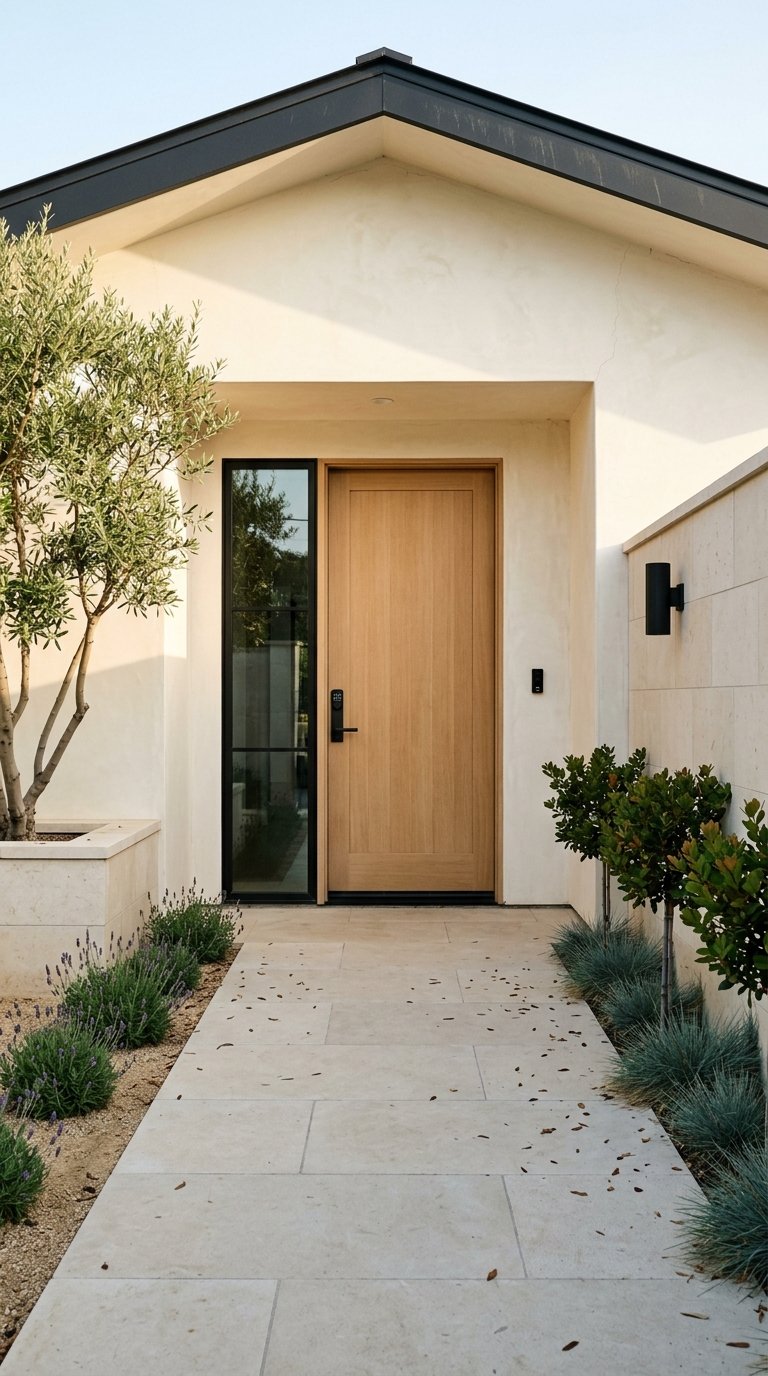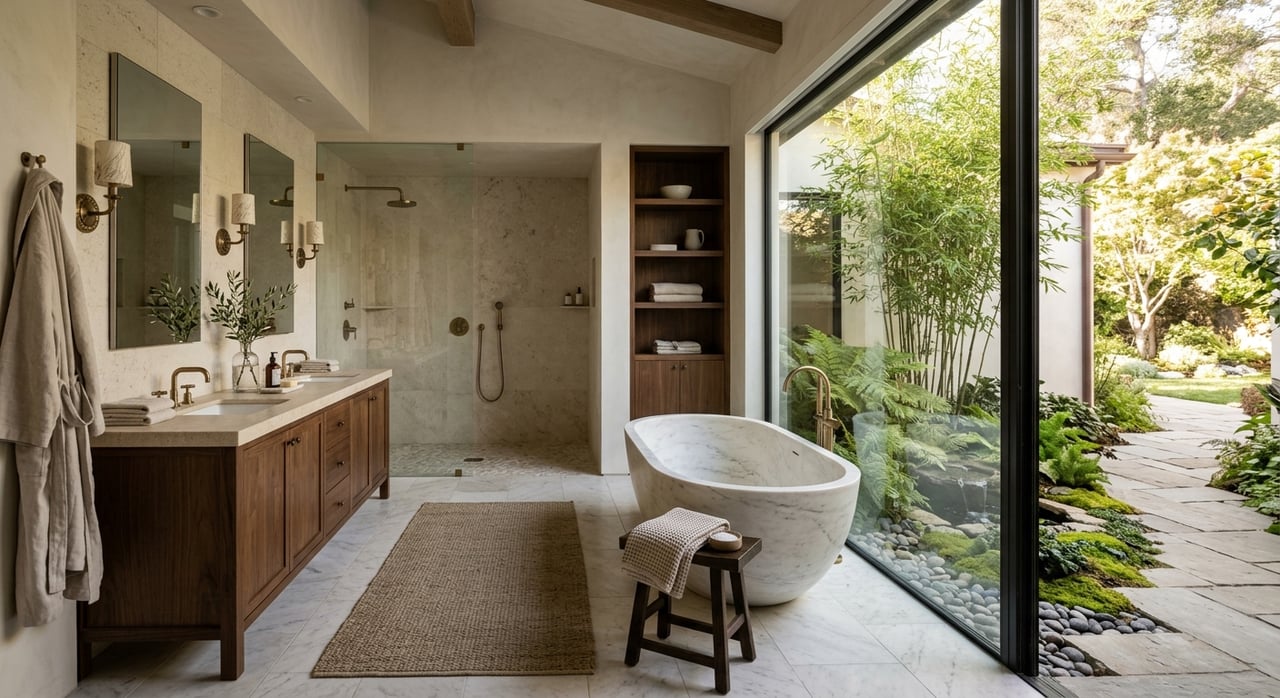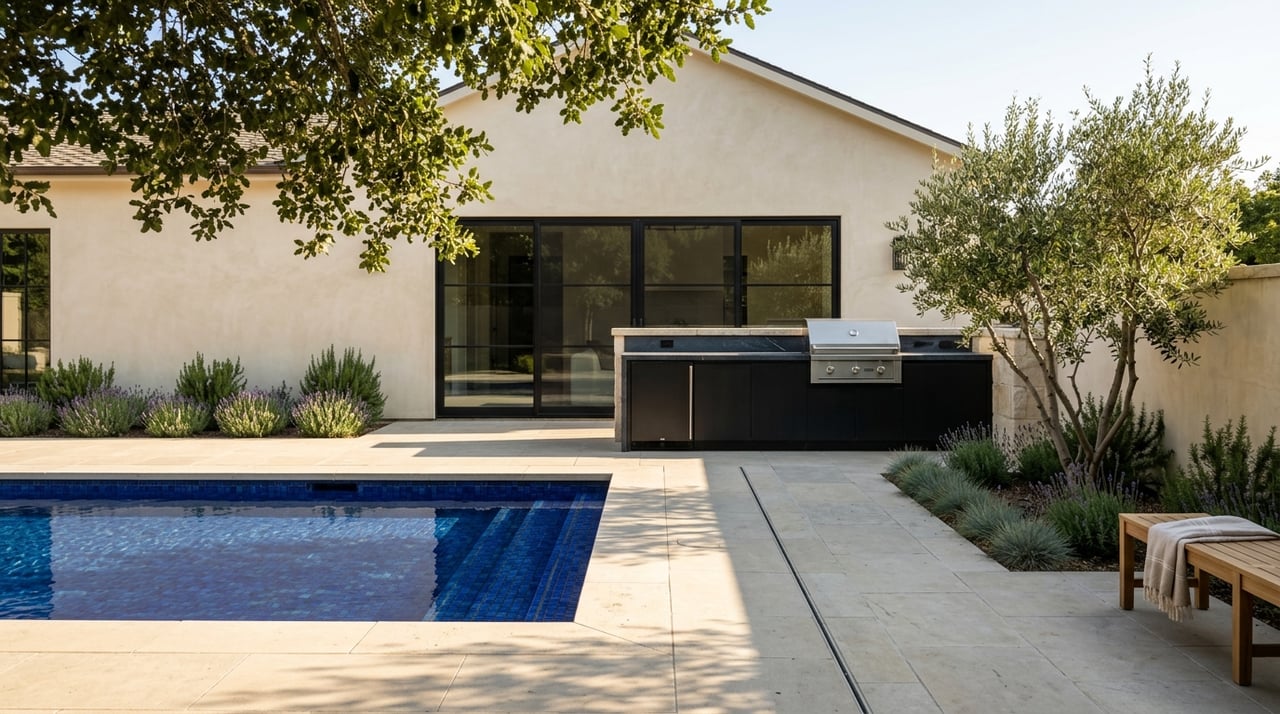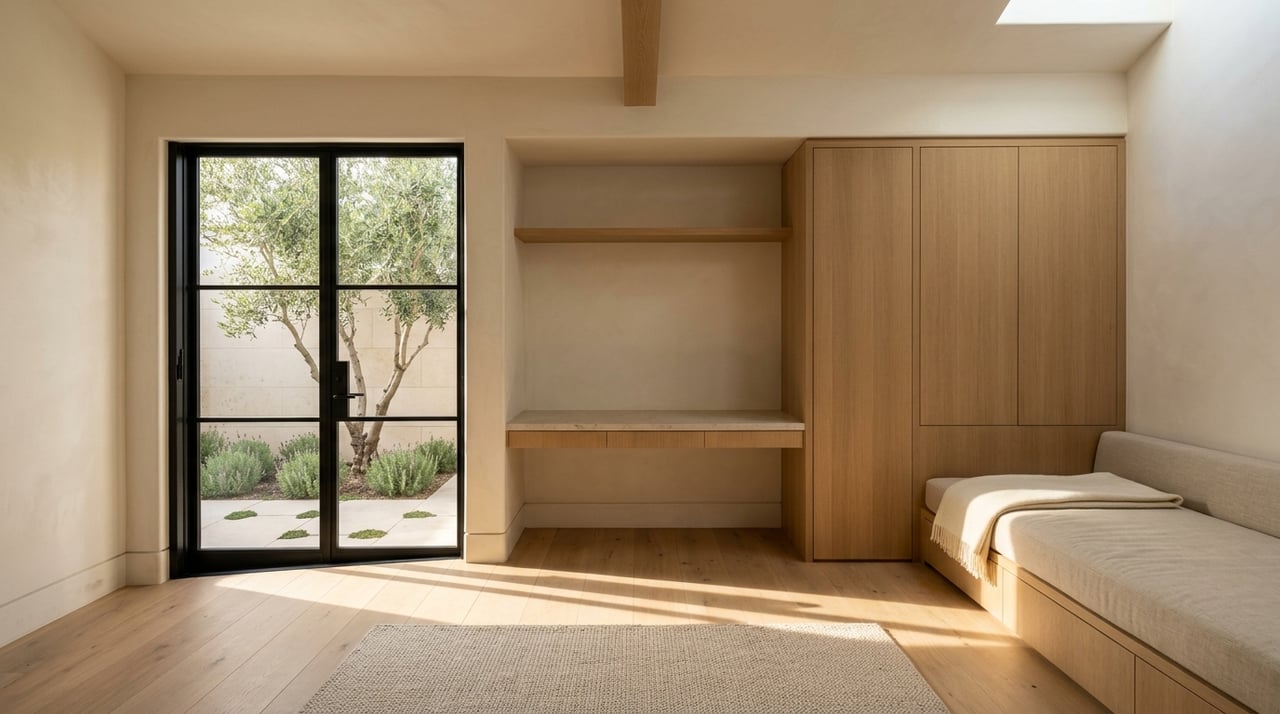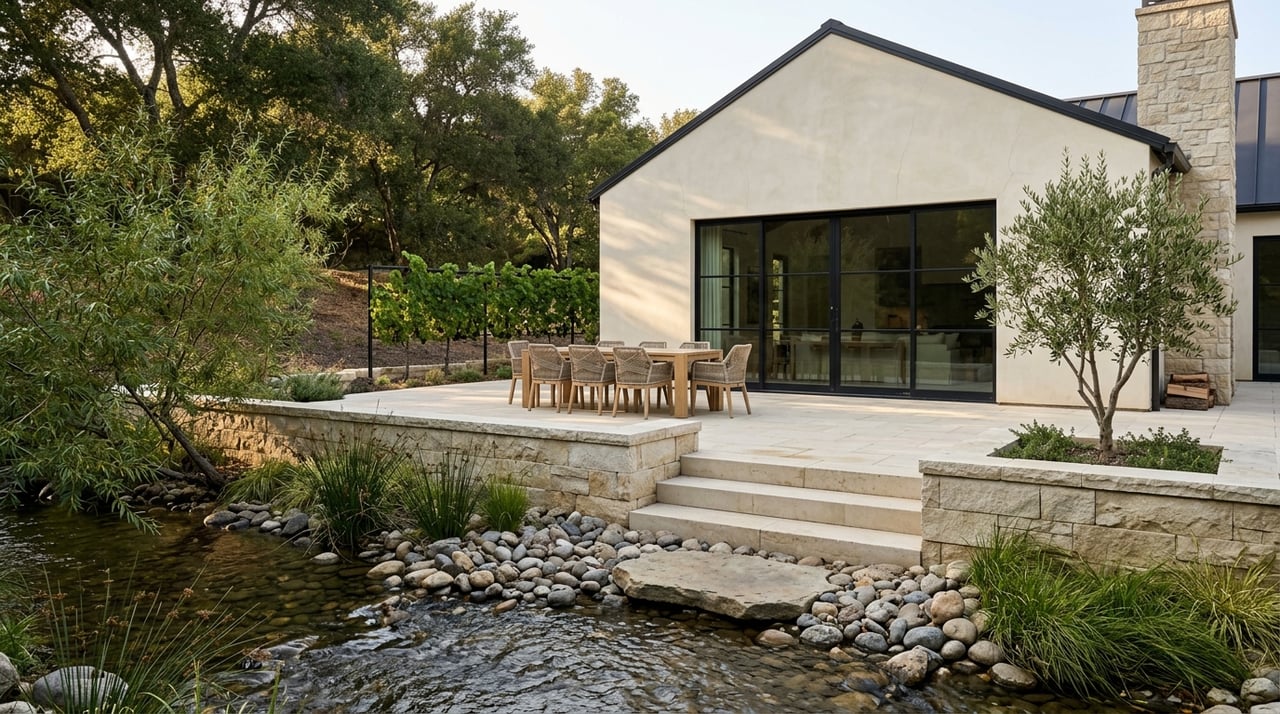
If you are drawn to Napa luxury real estate, one question shapes the search faster than almost any finish or floor plan: do you want elevation and privacy, or walkable access and riverfront energy? In Napa, hillside and river-adjacent homes offer two very different ways to live, even when both sit at the luxury end of the market. Understanding how these settings differ can help you focus on the lifestyle, property character, and ownership considerations that matter most to you. Let’s dive in.
Napa’s Two Luxury Settings
In Napa, the contrast is less about a simple map line and more about how a home fits into the city and landscape. Hillside properties, including homes in areas such as Alta Heights, sit above the valley floor and are often defined by views, slope, and a more private setting.
River-adjacent homes are typically tied to downtown Napa and the Oxbow area. Rather than a long stretch of waterfront estates, this part of the market is shaped by a mixed-use environment with close access to dining, shopping, arts venues, markets, and the Napa River corridor.
Hillside Homes in Napa
Elevation Shapes the Experience
Hillside living in Napa often begins with the setting itself. The City of Napa notes that Alta Heights sits high above the valley floor, and that elevation has long been valued when the Napa River flooded.
That higher position also supports one of the area’s biggest draws: expansive outlooks. Many homes in Alta Heights enjoy sweeping views over the city and beyond, which creates a more elevated, retreat-like feel.
Architecture Follows the Land
On hillside sites, the land usually plays a leading role in design. Napa County’s Viewshed Protection Program is intended to minimize the visual impact of structures and grading on hillsides and ridgelines, with guidance favoring low-profile buildings, stepped massing, non-reflective materials, and preserved vegetation.
For you as a buyer, that often means homes that feel highly site-specific. Outdoor spaces, decks, terraces, and building forms are more likely to respond to slope and natural contours rather than sit flat on a standard lot.
Privacy Is Often the Priority
If your idea of luxury is quiet, separation, and a stronger sense of escape, hillside Napa is often the better fit. The combination of elevation, views, and terrain can create a more private daily rhythm.
That setting may appeal especially if you are looking for a second home or a full-time residence that feels tucked away. The trade-off is usually less immediate access to downtown amenities on foot.
Riverfront and Central Napa Homes
Riverfront Means Downtown Access
In Napa, “riverfront” usually points to a downtown-adjacent lifestyle. The Downtown Neighborhood is described by the city as a vibrant mixed-use district where you can stroll to Oxbow Public Market, the seasonal farmers market, the Napa Valley Opera House, and downtown shopping.
The Oxbow District adds another layer of activity. The city describes it as an area that was historically commercial and industrial and is now home to destinations such as Oxbow Public Market, CIA at Copia, and the Wine Train depot.
Walkability Changes Daily Life
If you want your Napa routine to include coffee runs, dinner out, river walks, cultural venues, and easy access to local events, central Napa may be the stronger match. The appeal is not just the river itself, but the connected lifestyle around it.
The city’s RiverLine initiative is designed to improve access to and enjoyment of the Napa River, enhance the trail experience, and create a family-friendly community amenity. The Napa Valley Vine Trail also runs through Napa’s riverfront corridor and continues north through the valley to Calistoga.
The Setting Feels More Urban
River-adjacent and central Napa homes are part of a more layered urban fabric. The river corridor is also framed by the city as an active growth area, with RiverLine noting that 56% of citywide jobs are located along the river.
That helps explain why this part of Napa often feels more active and connected. If you want convenience and movement as part of your Wine Country experience, this setting can deliver that in a way hillside neighborhoods usually do not.
How Architecture and Lot Character Differ
Hillside Properties Feel Terrain-Driven
Luxury hillside homes in Napa often read as custom properties shaped by the land. Even when a home has been updated over time, the lot itself tends to influence layout, orientation, and outdoor living in a very visible way.
The result can feel especially compelling if you value design that responds to the landscape. In these settings, the land is not just a backdrop. It is part of the home’s identity.
Central Homes Sit in Historic Layers
Napa’s residential history shows a different pattern in central areas. In Alta Heights, the city’s historic survey identifies styles including Victorian vernacular cottages, Craftsman and bungalow homes, Spanish Colonial Revival, ranch, and mid-century modern examples.
Downtown’s historic survey includes Queen Anne, Italianate, Mediterranean Revival, Craftsman, Classical Revival, Art Deco, Renaissance Revival, and other 20th-century commercial buildings. For you, that can translate into a more varied streetscape and a stronger sense of living within Napa’s historic and urban evolution.
Lifestyle Questions to Ask Yourself
Do You Want a Retreat Feel?
A hillside property may suit you best if you picture Napa as a place to reset. Views, privacy, and a quieter setting often support a slower pace and a stronger sense of separation from the center of town.
This can be especially appealing for buyers looking at legacy properties, design-led remodels, or estates that prioritize outdoor living and long-range outlooks.
Do You Want Walkable Wine Country?
A downtown or river-adjacent home may be the better choice if your ideal day includes leaving the car parked. Being able to walk to food, shopping, arts, and the river corridor changes how often you use the city around you.
For many buyers, that convenience becomes part of the luxury. It is less about seclusion and more about access, spontaneity, and ease.
Ownership Considerations to Weigh
Flood Review Matters Near the River
If you are considering a river-adjacent property, floodplain review is an important part of your due diligence. The City of Napa’s Floodplain Management Program states that development in the floodway and floodplain must follow strict guidelines.
The city also participates in FEMA’s National Flood Insurance Program and Community Rating System. Its CRS rating of 7 provides a 15% flood insurance discount for properties in the Special Flood Hazard Area, and the city notes that flood insurance generally has a 30-day waiting period.
Hillside Review Is Different
On hillside properties, the review process often shifts toward slope, vegetation, and viewshed considerations. Napa County’s viewshed rules are intended to reduce grading and visual impacts on steep terrain.
The county’s 2025 Fire Hazard Severity Zone update also states that the county must adopt and enforce updated fire maps in unincorporated areas under state and county fire-safety rules. In addition, the county warns that even areas not traditionally flood-prone can become high-risk after wildfire, especially downhill and downstream from burned areas near steep terrain.
Maintenance Can Feel More Hands-On
Property upkeep may also differ between the two settings. Napa County’s Roads Division maintains about 450 miles of public roads, 79 bridges, and 50 major drainage structures in unincorporated areas, including responsibilities tied to vegetation management, drainage, guardrails, traffic signs, signals, and pavement markings.
For you, that can mean hillside or county-edge ownership may involve more attention to access, drainage, and vegetation over time. A more central in-town property may present a different day-to-day maintenance profile.
Which Napa Luxury Home Fits You Best?
In most cases, the choice comes down to your daily rhythm. Hillside Napa luxury homes tend to fit buyers who value privacy, views, and architecture shaped by the land.
Riverfront or central Napa homes usually fit buyers who want walkability, dining, trail access, and a more connected urban Wine Country experience. Neither is inherently better. The right choice is the one that aligns with how you want to live in Napa, both on ordinary days and when the home is at its best.
If you are weighing the difference between a tucked-away hillside estate and a downtown-adjacent Napa property, a clear, location-specific comparison can save time and sharpen your decision-making. For refined guidance on Napa luxury homes, connect with Hillary Ryan Group to request a private consultation.
FAQs
What is the main difference between hillside and riverfront luxury homes in Napa?
- Hillside homes in Napa usually offer more elevation, privacy, and view orientation, while riverfront or central Napa homes usually offer more walkability, access to downtown amenities, and a more connected urban setting.
What does riverfront living usually mean in Napa?
- In Napa, riverfront living typically refers to a downtown or Oxbow-adjacent lifestyle near the Napa River, rather than a continuous stretch of waterfront mansions.
Why do hillside Napa homes often feel more custom?
- Napa County’s hillside design guidance favors low-profile buildings, stepped massing, preserved vegetation, and reduced grading, which often leads to homes that are closely shaped by the terrain.
What amenities are near central and river-adjacent Napa homes?
- The City of Napa describes downtown as being close to Oxbow Public Market, the seasonal farmers market, the Napa Valley Opera House, shopping, and river corridor trail access.
What property review issues matter for river-adjacent homes in Napa?
- River-adjacent properties may require closer review of floodplain rules, flood hazard area status, and related insurance timing and requirements through the City of Napa’s floodplain program.
What property review issues matter for hillside homes in Napa?
- Hillside properties may involve added review related to slope, grading, vegetation, viewshed impacts, and fire hazard mapping, especially in unincorporated areas of Napa County.
Are hillside or riverfront Napa homes better for a second-home lifestyle?
- It depends on how you want to use the home. Buyers seeking a quiet retreat often prefer hillside settings, while buyers who want dining, events, and easy walks to amenities often prefer central or river-adjacent locations.