What makes one St. Helena estate feel instantly compelling while another sits waiting for the right buyer? In a market defined by beauty, privacy, and high expectations, thoughtful positioning matters as much as square footage. If you are preparing to sell a luxury property in St. Helena, a clear strategy can help you present the home with confidence, connect with discerning buyers, and protect long-term value. Let’s dive in.
Why St. Helena positioning matters
St. Helena is a compact, high-value market with a strong identity. Visit Napa Valley describes it as Napa Valley’s Main Street, known for shops, galleries, restaurants, landmark wineries, and the Culinary Institute of America at Greystone. With a population of about 5,400 and a location roughly 60 miles north of San Francisco, it holds clear appeal for buyers seeking a Wine Country retreat with access to the Bay Area.
That appeal does not mean every listing moves quickly. Current market trackers point to a premium but selective environment, where presentation and pricing discipline carry real weight. Redfin reported a median sale price of $2.32 million, median days on market of 59, a 96.3% sale-to-list ratio, and price drops on 29.1% of homes in the three months ending May 2026.
Realtor.com and Zillow reflect a similar tone, even with slightly different numbers. Realtor.com reported a median listing price of $2.0 million, median days on market of 53, and a 96% sale-to-list ratio, while Zillow showed 64 homes for sale and a median list price of $2.25 million as of May 31, 2026. The takeaway is simple: St. Helena rewards quality, but buyers remain selective.
Start with the buyer mindset
Discerning buyers in St. Helena are often looking for more than a house. They are responding to a setting, a sense of ease, and a property that supports how they want to spend time in Wine Country. For many, the draw includes entertaining, privacy, wellness, and proximity to iconic local experiences.
Visit Napa Valley positions St. Helena around wine, culinary culture, and elevated hospitality. Landmark destinations such as Beringer, Charles Krug, the Culinary Institute of America at Greystone, PRESS, and Meadowood shape expectations. That means your estate should not be marketed as just another luxury home. It should be framed as a refined lifestyle offering within one of Napa Valley’s most recognized destinations.
Lead with architecture and scale
Luxury buyers notice restraint. They tend to respond best when architecture, proportion, natural light, and land context are allowed to speak clearly. Overfurnished rooms, personal clutter, and visual noise can dilute what makes an estate memorable.
A strong pre-listing plan often starts by editing rather than adding. The goal is to simplify furnishings, complete visible repairs, and create calm, balanced rooms that show scale and flow. In a St. Helena estate, that usually means emphasizing indoor-outdoor living, view corridors, ceiling height, and the relationship between the home and its setting.
Focus on the rooms that shape perception
Research on staging offers a useful guide for where preparation has the greatest impact. In the National Association of Realtors 2025 Profile of Home Staging, 83% of buyers’ agents said staging makes it easier for a buyer to visualize the property as a future home. The rooms staged most often were the living room at 91%, the primary bedroom at 83%, the dining room at 69%, the kitchen at 68%, and outdoor or yard space at 68%.
For a St. Helena estate, those spaces deserve special attention because they often anchor the lifestyle story. A living room should feel open and composed. A primary suite should read as restful and private. Kitchens, dining areas, and terraces should support the idea of relaxed entertaining without feeling overly themed or busy.
Prepare with discipline, not excess
Sellers often assume luxury positioning requires major spending. In reality, the research supports a more measured approach. NAR found that the most common seller preparation recommendations were decluttering at 91%, entire-home cleaning at 88%, and improving curb appeal at 77%.
That is a smart framework for estate sellers. Before you consider major cosmetic changes, start with what buyers see first and notice most: clean surfaces, clear sightlines, maintained finishes, and a strong first impression. Quality matters more than quantity, and restraint often feels more expensive than overproduction.
When sellers used a staging service, the median spend was $1,500, and 63% said quality of design was the top factor in choosing a company. That reinforces an important point for St. Helena: the right design eye matters more than simply filling rooms with furniture.
Elevate curb appeal and outdoor rooms
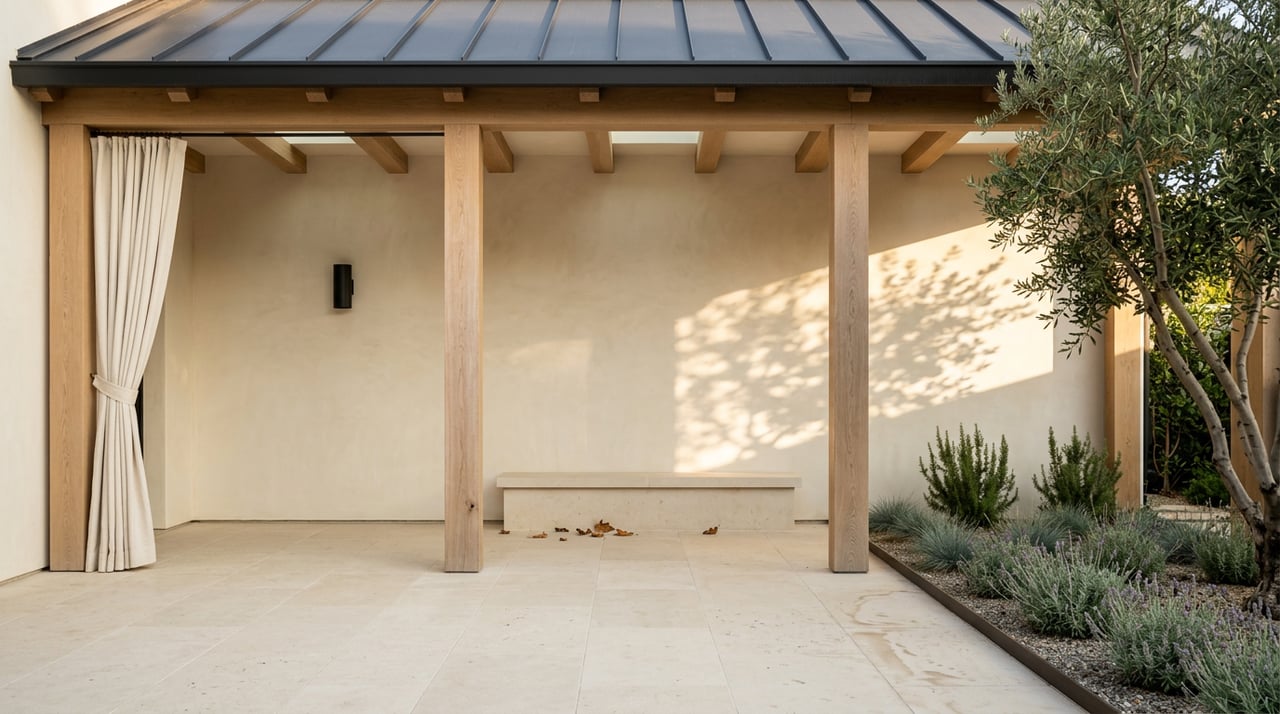
In Wine Country, exterior presentation is not secondary. It is part of the product. Outdoor space often shapes a buyer’s emotional reaction before they fully process the interior.
This is especially relevant in Napa County’s Mediterranean-type climate, with mild, wet winters and warm, dry summers. According to the California Department of Water Resources, about half of the water used at home is spent outdoors on landscaping. The agency recommends planning around sun and shade, irrigation, hydrozones, hardscape, mulch, and native or drought-tolerant plantings.
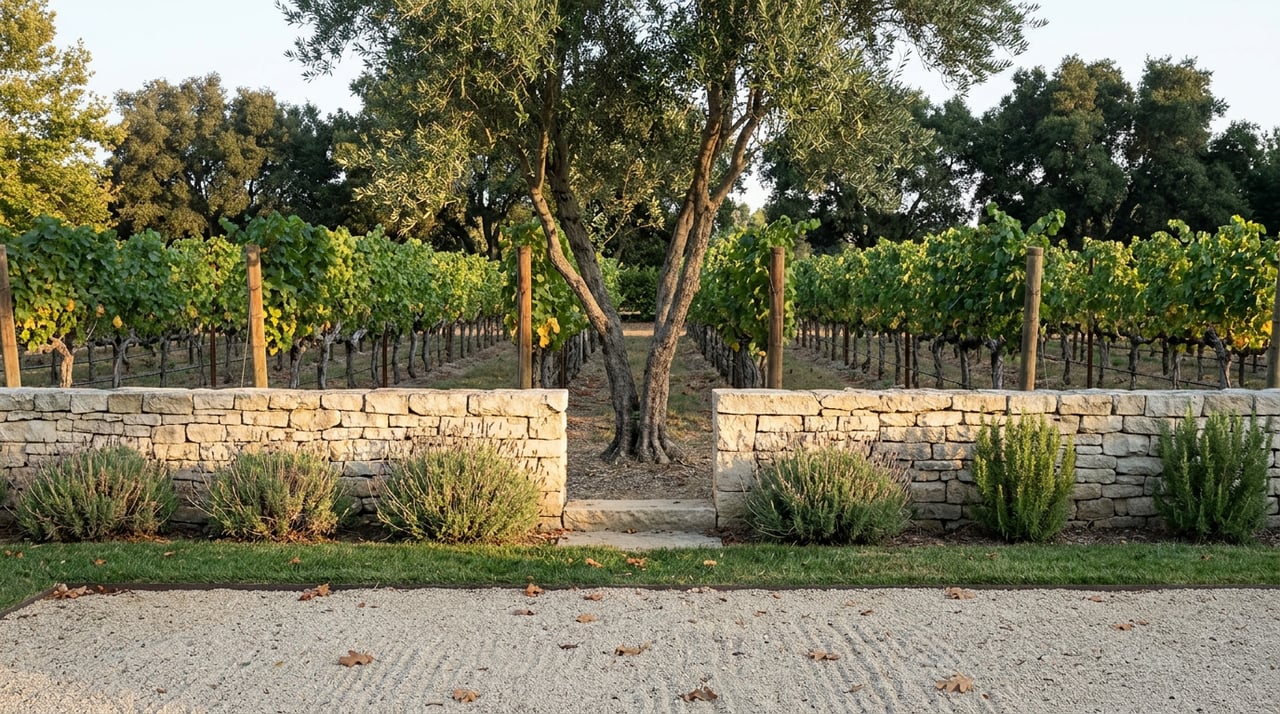
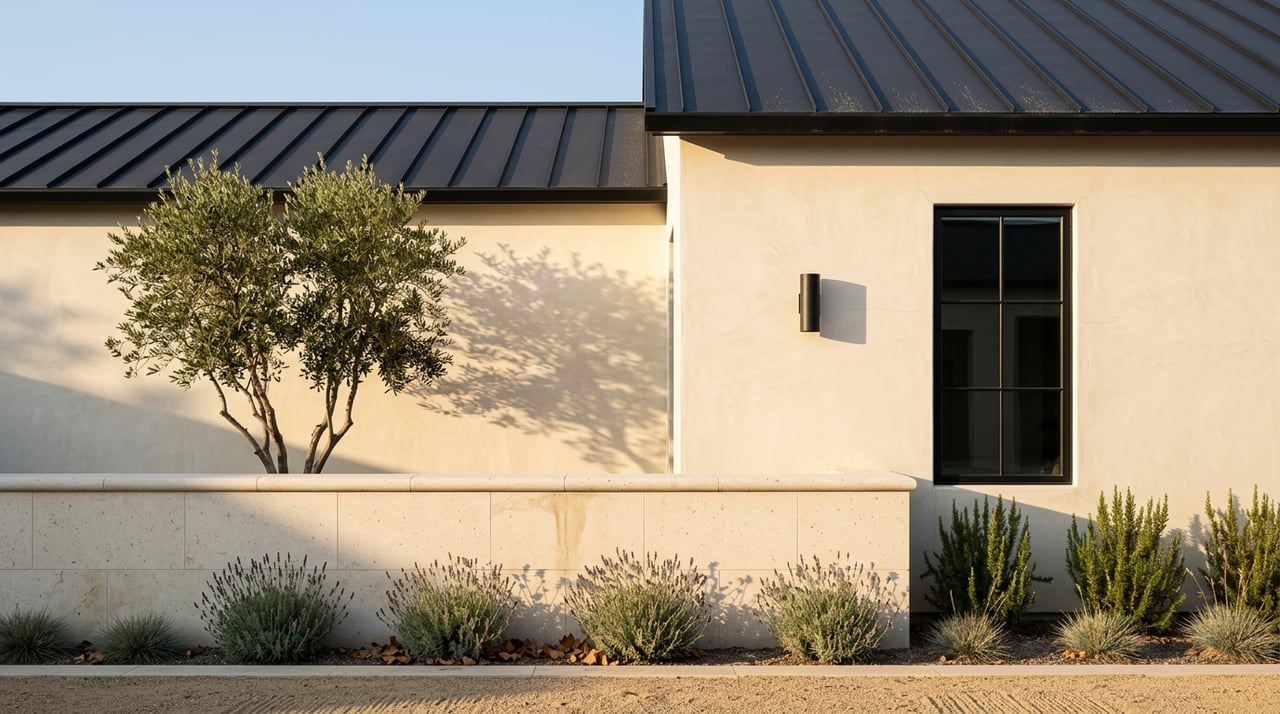
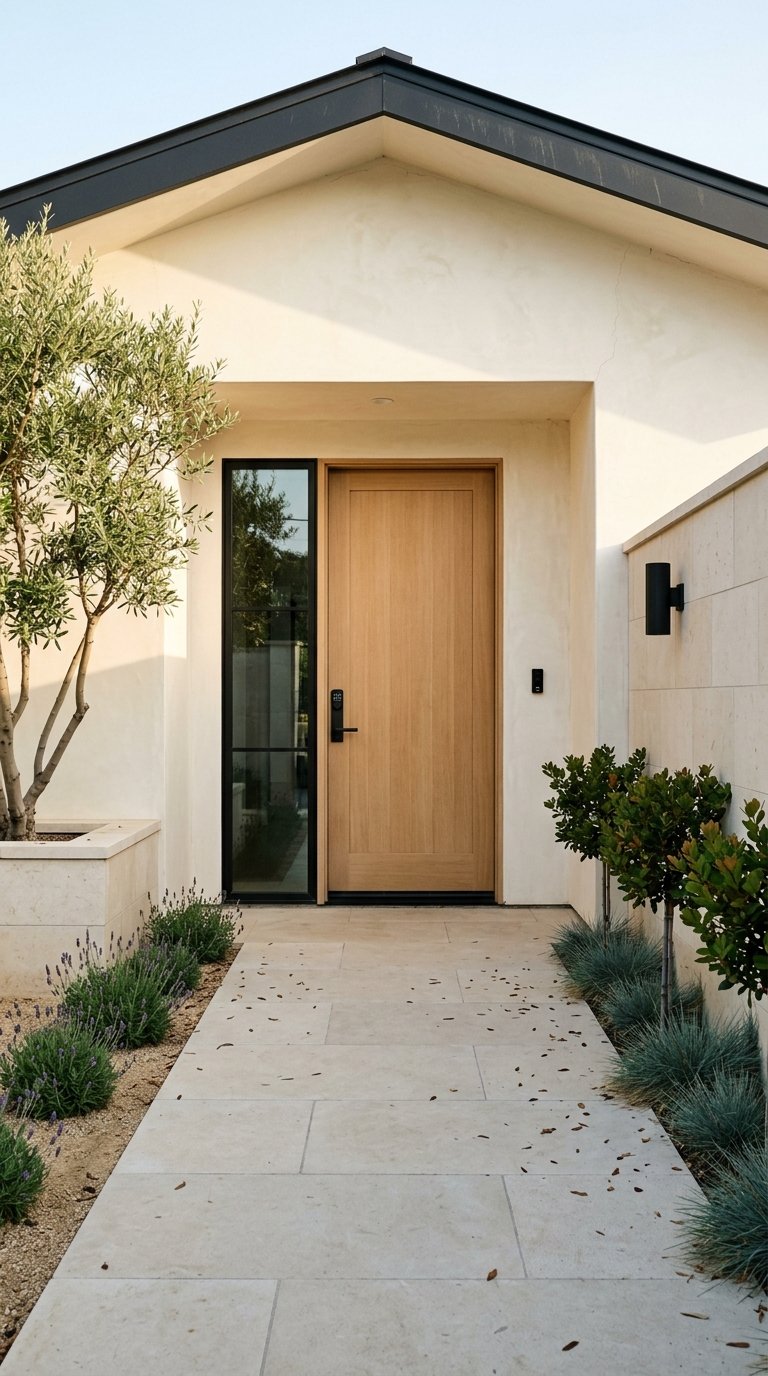
For St. Helena sellers, that supports landscaping that feels intentional, healthy, and easy to maintain. Clean hardscape, sharp edging, healthy planting beds, and water-efficient design can create an exterior that feels polished without looking overworked. The goal is a landscape that appears lush and controlled, not overwatered or inconsistent with the climate.
Make the pool feel integrated
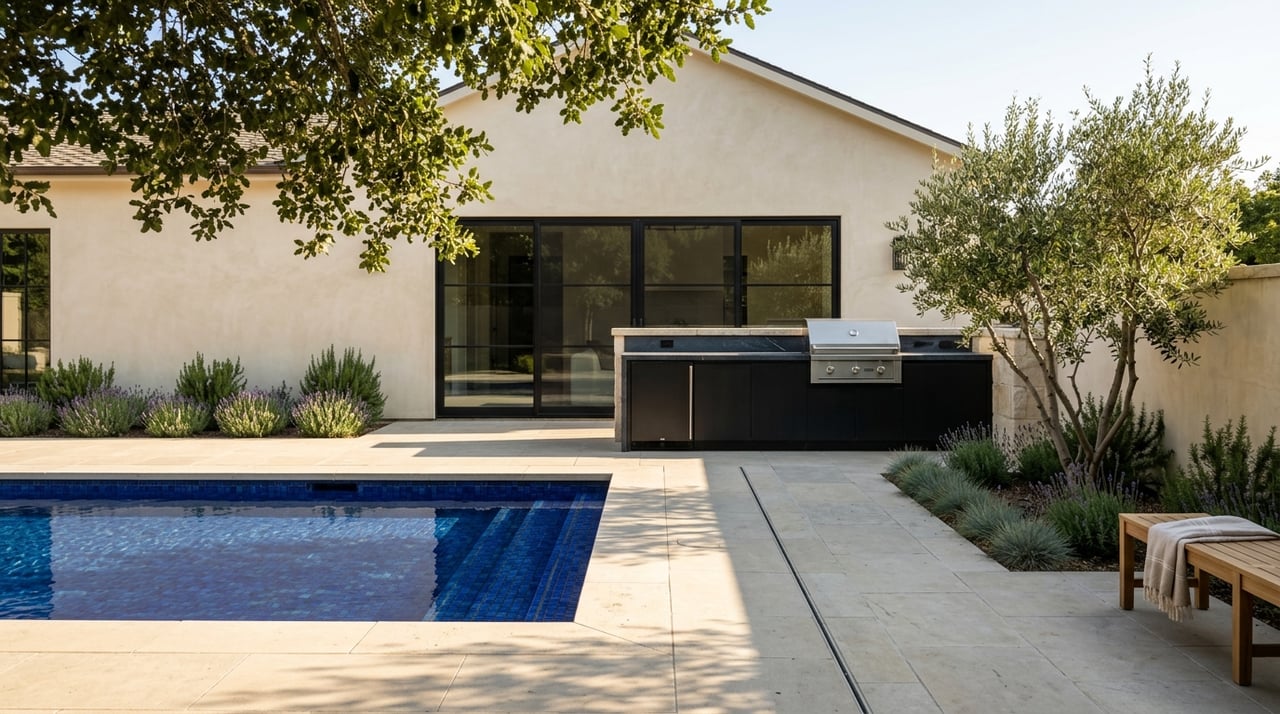
If your estate includes a pool, it should feel like part of a finished outdoor environment. Buyers should read it as a destination within the property, not just an amenity that happens to be there.
The staging research shows that outdoor space matters, with 68% of sellers’ agents staging outdoor or yard areas and 77% highlighting curb appeal as a key improvement item. In practical terms, that means clear water, spotless deck surfaces, edited lounge furniture, and a layout that supports conversation, quiet relaxation, or entertaining. In St. Helena, buyers often expect an outdoor setting that feels calm, refined, and resort-like.
Build a visual story before launch
A luxury listing campaign should be planned before the first photo is taken. The way a home is prepared should directly support the final media package, since buyers often form their first impression online.
NAR’s 2025 staging report found that sellers’ agents said photos were highly important to clients 88% of the time, followed by videos at 47% and physical staging at 43%. That sequence matters. If a room will not photograph well, it is not truly ready for market.
The same principle appears in buyer behavior. NAR’s 2025 home buyer trends show that among buyers using the internet, 83% found photos very useful, 79% valued detailed property information, 41% valued virtual tours, 35% looked for neighborhood information, 30% used interactive maps, and 29% found videos very useful. Buyers who had expectations expected to view a median of 20 homes virtually and eight in person.
For a St. Helena estate, that makes the digital launch especially important. A coordinated package often includes:
- High-quality photography
- Detailed property information
- Floor plans
- A virtual tour
- A short video
- A printed brochure or property book aligned with the same visual story
Tell the right St. Helena story
Buyers do not just purchase finishes and acreage. They respond to a narrative that helps them understand how the property fits into their lives. In St. Helena, the strongest stories often center on wine-country entertaining, wellness, privacy, design, and proximity to established local destinations.
That story should feel specific to the property. A modern estate may lean into clean lines, light, and seamless indoor-outdoor flow. A legacy property may emphasize maturity, garden structure, and a quieter sense of permanence. A compound-style estate may focus on flexibility, guest accommodations, and the ability to host across seasons.
The key is consistency. Every image, caption, brochure page, and showing experience should reinforce the same core positioning. When the story is clear, buyers are more likely to remember the property and understand why it belongs in the upper tier of the market.
Match pricing to market reality
Even exceptional estates need disciplined pricing. In a market where trackers show median days on market in the 50-to-59-day range and sale-to-list ratios around 96%, pricing should support momentum rather than test the market indefinitely.
This matters even more when nearly 29.1% of homes, according to Redfin’s recent St. Helena data, had price drops. A reduction can be part of a strategy, but it can also signal misalignment if the home launches without a clear position. Strong presentation helps justify value, but presentation and pricing must work together.
Why coordination matters in luxury sales
High-value properties benefit from a marketing approach that feels unified from start to finish. Sotheby’s International Realty’s 2026 pressroom update notes a network of more than 1,100 offices across 86 countries and territories, along with 1.38 million social followers and about 42 million visits to sothebysrealty.com. The update explicitly connects performance to storytelling and digital strategy.
For St. Helena sellers, that supports a coordinated campaign in which digital assets, print collateral, and private buyer follow-up all reflect the same level of refinement. In a selective market, buyers notice when a listing feels intentional. They also notice when it does not.
Position the estate, not just the address
The strongest St. Helena listings are not simply put on the market. They are carefully positioned. That means understanding the buyer, refining the product, shaping the visual story, and aligning price with current market conditions.
If you are preparing to sell a St. Helena estate, a thoughtful plan can help you present the property with clarity and confidence. For discreet guidance on preparation, positioning, and premium marketing in Napa Valley, Hillary Ryan Group can help you request a private consultation.
FAQs
How should you prepare a St. Helena estate before listing?
- Start with decluttering, entire-home cleaning, visible repairs, simplified furnishings, and curb appeal improvements so the home shows clearly in person and online.
What matters most to buyers viewing a St. Helena listing online?
- Photos, detailed property information, virtual tours, videos, and a coordinated visual presentation are especially important because many buyers begin with digital screening before touring in person.
Why is outdoor presentation important for a St. Helena luxury home?
- Outdoor space is a major part of the Wine Country lifestyle, so landscaping, terraces, and pool areas should feel intentional, polished, and connected to the home’s overall design.
What pricing approach works best for a St. Helena estate?
- In a premium but selective market, disciplined pricing supported by strong presentation usually creates better momentum than launching high and relying on later price reductions.
What story should a St. Helena estate tell to discerning buyers?
- The most effective story usually highlights architecture, privacy, indoor-outdoor living, wellness, entertaining, and proximity to St. Helena’s recognized wine and culinary destinations.