What makes a second home in St. Helena truly work? It is rarely just square footage or a beautiful view. More often, it is how easily the home fits your weekends, your guests, and your day-to-day ownership rhythm. If you are considering a Wine Country retreat, this guide will help you think clearly about location, layout, flexibility, and long-term usability so you can buy with confidence. Let’s dive in.
Start With How You’ll Use It
A strong St. Helena second-home plan starts with a simple question: how will you actually live in the property? For some buyers, it is a weekend retreat within reach of the Bay Area. For others, it is a guest-ready base for wine country visits, a quiet work-from-home setting, or a longer-term lifestyle investment.
That distinction matters because St. Helena supports a very specific kind of ownership experience. Visit Napa Valley describes the town as an up-valley destination known for upscale boutiques, storied wineries, and a luxe lifestyle, about 60 miles north of San Francisco. For many buyers, that means convenient access paired with a more relaxed pace once you arrive.
The city’s planning priorities also reinforce this practical appeal. St. Helena emphasizes preserving its historic small-town downtown, supporting pedestrian-oriented development, and encouraging housing close to amenities. In real terms, that often points buyers toward homes that are easy to enjoy, easy to maintain, and easy to leave when the weekend ends.
Why St. Helena Fits Second-Home Living
St. Helena offers a compact lifestyle that can work especially well for part-time ownership. If you want a place where you can settle in quickly, walk or drive short distances for daily needs, and spend more time enjoying the area than managing the property, the town has a lot going for it.
The everyday infrastructure matters here. The city oversees ten parks, three small recreation facilities, and a municipal public library. Crane Park includes tennis and pickleball courts, bocce, walking paths, a skate park, and restrooms, and Adventist Health St. Helena is listed by HCAI as a 150-bed general acute care hospital with standby emergency-room service.
Those details may sound small, but they shape the ownership experience. A second home tends to work best when it supports real life, not just special occasions. In St. Helena, that means access to recreation, services, and a town center that feels usable rather than ceremonial.
Choose the Right Location Tradeoff
One of the biggest second-home decisions in St. Helena is not whether to buy in town or outside town, but which daily experience you want. The city’s historic resources inventory describes downtown as a commercial core surrounded mainly by single-family residential neighborhoods, while some vineyards extend into the city limits nearby.
That creates two appealing, but different, patterns. In-town properties may offer more convenience, simpler routines, and a more walkable experience. Homes closer to vineyard edges may offer more privacy and a stronger sense of retreat, but they can also come with a different upkeep and access rhythm.
Neither option is inherently better. The right choice depends on whether your second home is meant to feel spontaneous and low-friction or more tucked away and destination-like. Buyers who are clear about that early usually make better decisions later.
Understand the St. Helena Housing Mix
If you are picturing a detached house, that aligns with the local housing stock. St. Helena’s 2023 to 2031 Housing Element says that in 2020, 63.9% of homes were detached single-family, 6.1% were single-family attached, 6.2% were small multifamily, and 18.4% were medium or large multifamily.
For second-home buyers, that means detached homes remain the dominant option. It also means buyers looking for lower-maintenance multifamily choices may find fewer options here than in larger cities in Napa County or the Bay Area.
That scarcity can be useful context when shaping your search. If your goal is simple lock-and-leave ownership, you may need to think carefully about whether a smaller detached home, a well-located attached residence, or a future improvement opportunity best matches your lifestyle.
Prioritize Layout Over Raw Size
A second home that works well in St. Helena is usually not the biggest house. It is the house that functions well on a Friday night arrival, a casual weekend with friends, or a quiet midweek stay. In a town shaped by pedestrian-oriented planning and a compact lifestyle, flexibility often matters more than excess.
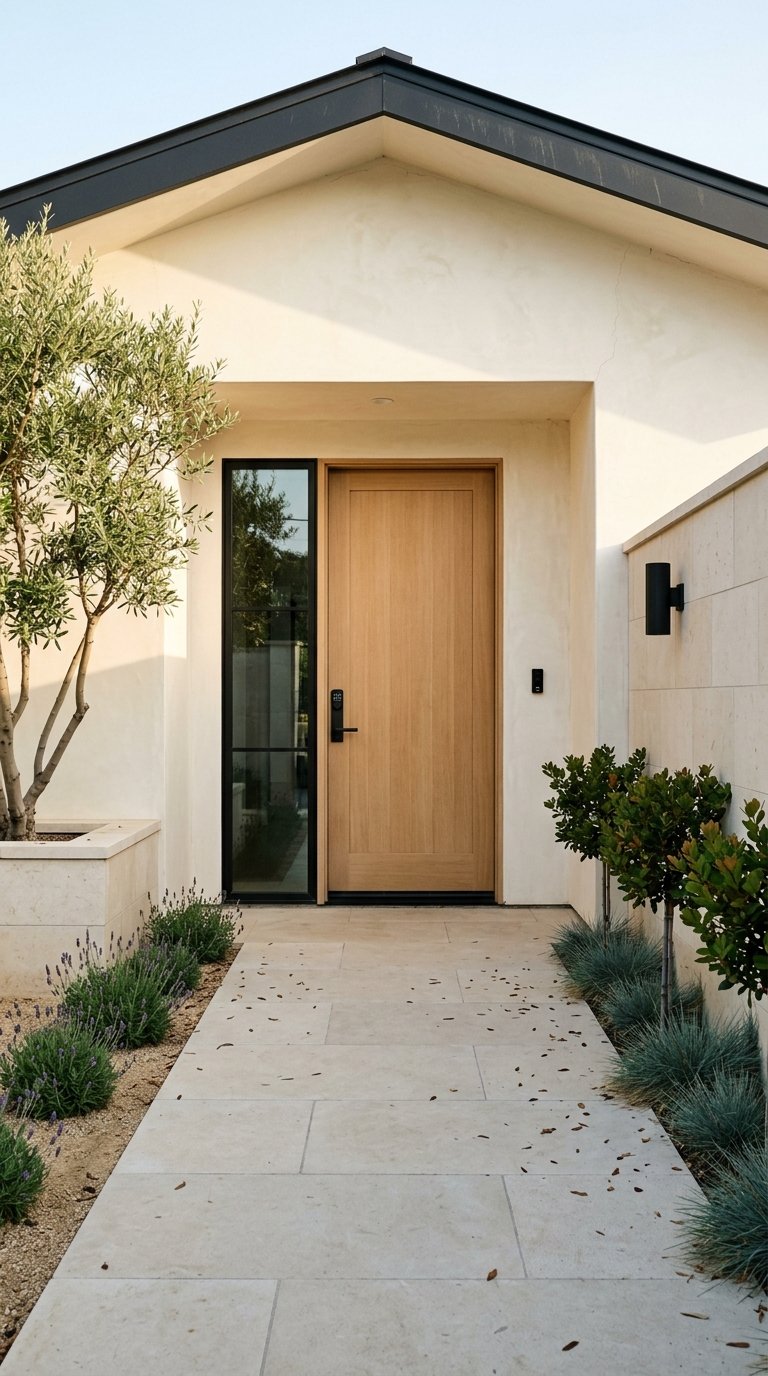
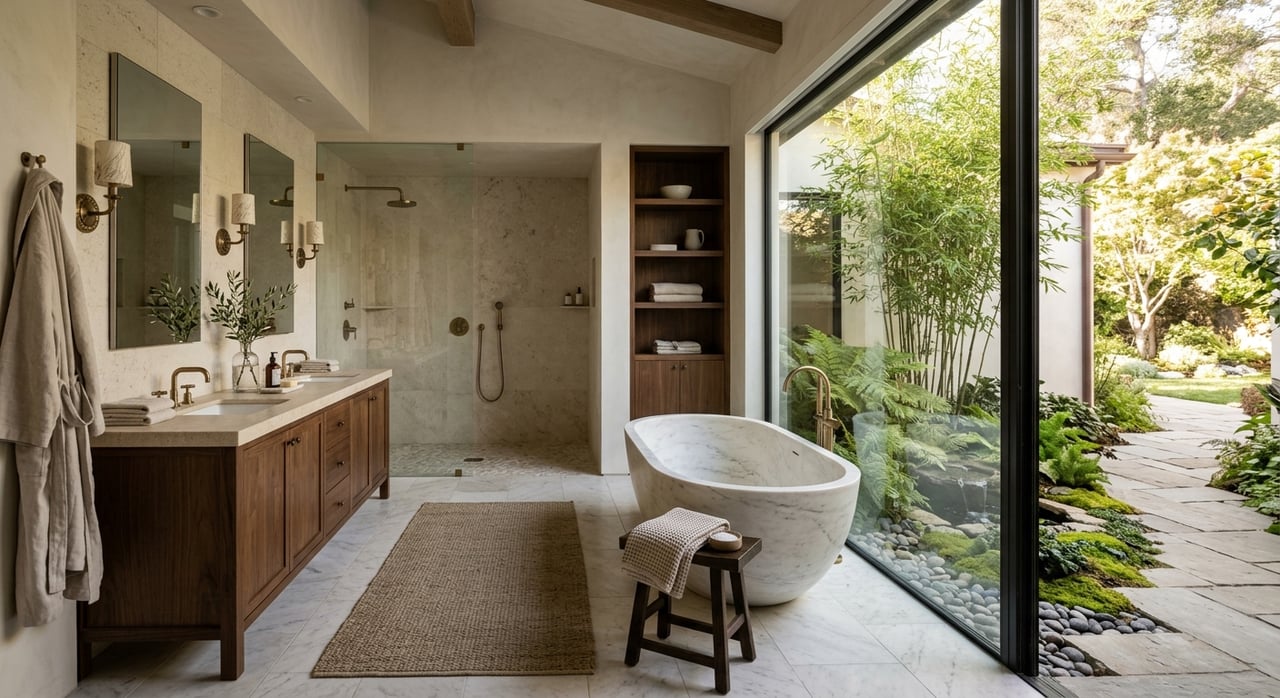
Look for floor plans that support multiple use patterns. Open kitchen and living areas, good separation between primary and guest spaces, and strong indoor-outdoor flow can make a home feel more useful without making it more complicated to own.
You may also want to think about how the home feels when only one or two people are there. A second home should still feel comfortable when lightly occupied. If it only comes alive when fully staffed or filled with guests, it may be asking too much from a part-time owner.
Features That Often Matter Most
When evaluating second homes in St. Helena, these features often rise to the top:
- A layout that works for both quiet weekends and guest visits
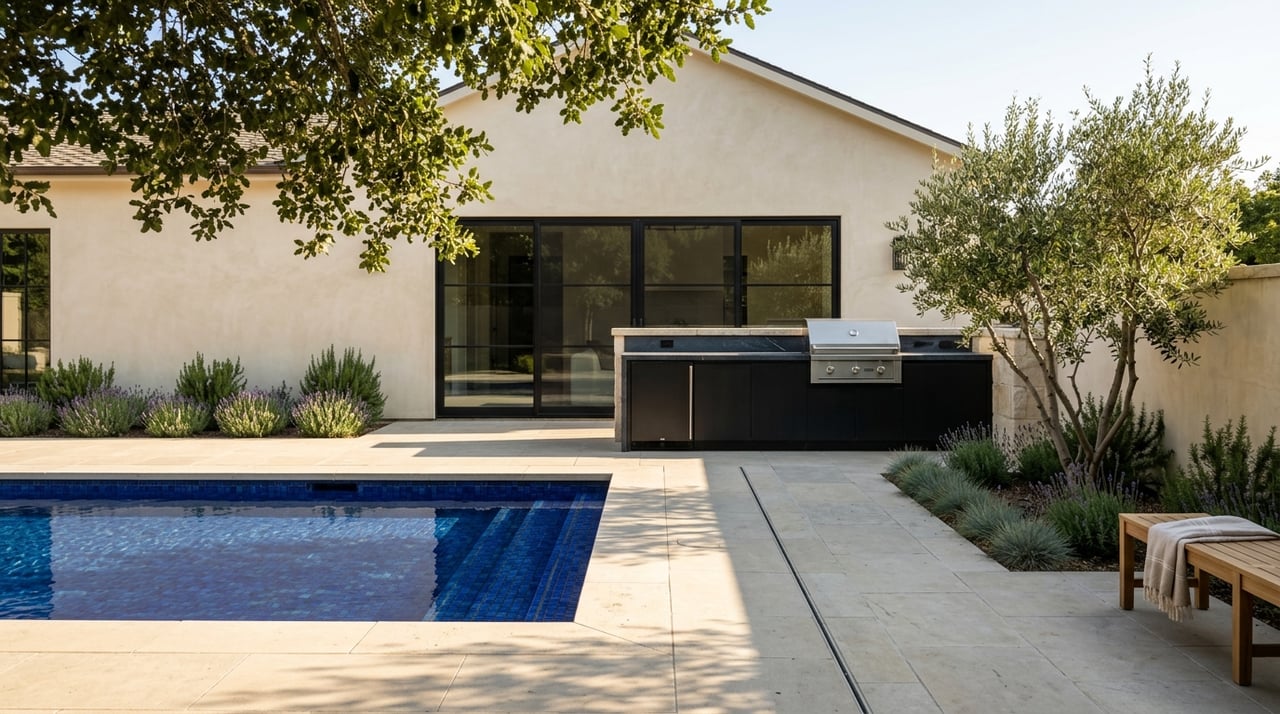
- Easy outdoor living with patios, courtyards, or manageable grounds
- A location with convenient access to downtown amenities or recreation
- Storage that supports part-time living without clutter
- Durable finishes and systems that simplify upkeep
- Privacy without making the property feel isolated
These are not flashy details, but they often make the difference between a home that photographs well and one that truly supports your life.
Plan Guest Space Carefully
Guest hosting is part of the appeal for many second-home buyers in Wine Country. Still, guest space works best when it is intentional. A home does not need to be oversized to feel welcoming, but it should let visitors stay comfortably without disrupting your own routine.
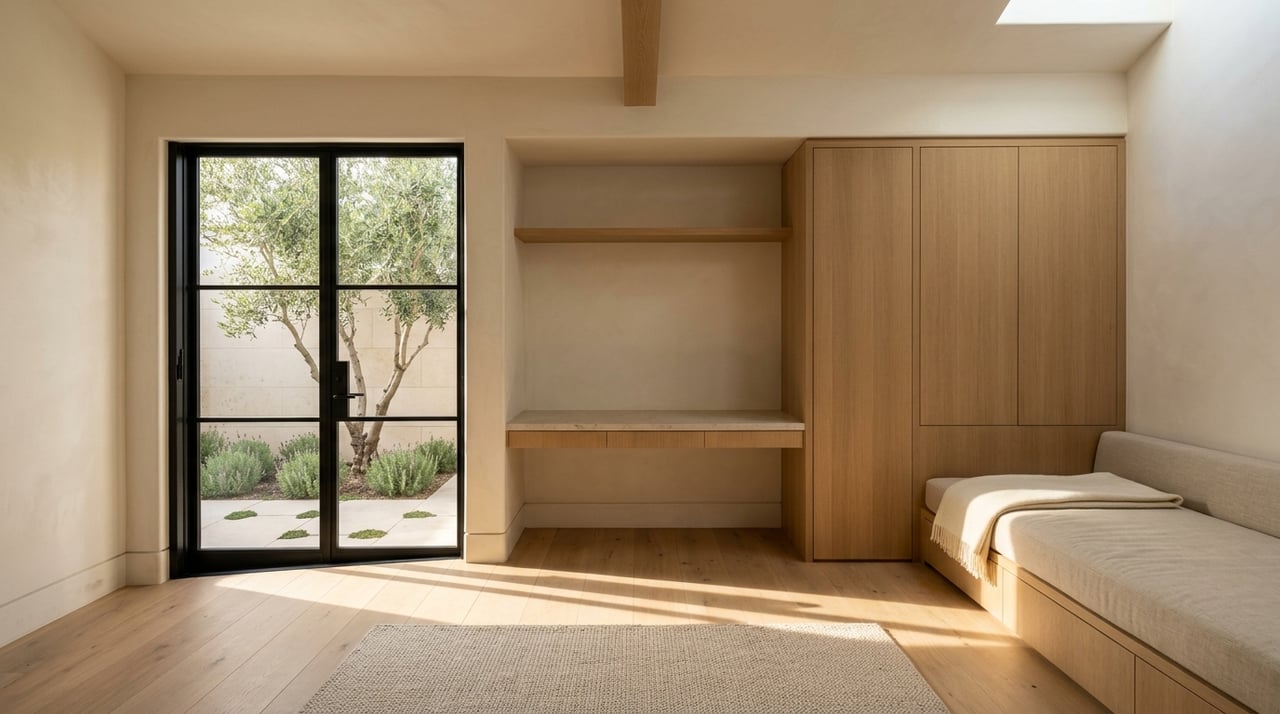
That might mean a separated guest bedroom, a den that can serve more than one purpose, or outdoor areas that naturally extend entertaining space. In some cases, buyers also consider future flexibility through an accessory dwelling unit.
St. Helena does offer a defined ADU and JADU pathway. The city says it provides pre-reviewed ADU plans, and those can qualify for a 14-day review period, but site-specific review is still required for placement, utilities, emergency access, foundations, and fire-related requirements.
Think Turnkey Now, Improve Later
For many buyers, the best strategy is to buy a home that works well immediately, then evaluate future improvements later. That may include an ADU, a guest suite, or a remodel, but only after confirming what is realistic for the site and the city’s review process.
This approach tends to create better outcomes than buying with too many assumptions. It lets you enjoy the property now while preserving optionality for the future. In a market like St. Helena, clarity often matters more than ambition.
Do Not Build the Plan Around Short-Term Rentals
If you are thinking about a rental fallback, it is important to understand the local rules. St. Helena currently permits 25 short-term rentals, keeps a waiting list, requires owners to have owned the home for at least three years before applying, and requires annual fire inspections for short-term rental properties.
That means a purchase plan should not depend on short-term rental income being readily available. In this market, a second home should stand on its own as a lifestyle purchase first. Any rental possibility should be treated as secondary and highly constrained.
This is one reason usability matters so much. A home that is easy to enjoy personally, easy to maintain, and strong in its long-term appeal is usually a better fit than one bought with speculative backup plans.
Consider Future Changes Early
If you may want to remodel, expand, or add flexibility over time, zoning matters. St. Helena’s updated zoning code includes low-density residential districts oriented to single-family homes, medium-density districts that allow attached and detached dwellings plus duplexes and triplexes, and high-density districts for multifamily uses.
The city also states that its 2023 zoning code introduced objective standards and a more streamlined application process. That does not remove the need for due diligence, but it does make early planning more valuable. Buyers with a design vision should understand not just what the home is today, but what the property may reasonably support later.
This is especially relevant if you are comparing a turnkey house with a property that offers improvement potential. Both can be compelling, but they serve different goals and timelines.
Factor in Outdoor Lifestyle Access
For many buyers, St. Helena is not only about the house. It is also about how you spend your time once you are there. If biking, walking, and active weekends matter to you, trail access can be a meaningful location filter.
The Napa Valley Vine Trail’s completed St. Helena-to-Calistoga section runs through vineyards and Bothe-Napa State Park and forms part of a 47-mile regional trail system. For second-home owners, that can add everyday value, especially if you want a property that supports a more outdoors-oriented routine.
This is the kind of detail that often improves long-term satisfaction. A home that aligns with how you want to move through the area usually performs better for you than one chosen only for headline features.
Prepare for Lock-and-Leave Ownership
Part-time ownership comes with its own realities, and resilience should be part of your planning. Napa County says its 2025 Fire Hazard Severity Zone updates are intended to improve wildfire preparedness, and the City of St. Helena’s emergency-preparedness page specifically highlights wildfire season as a recurring concern.
For second-home buyers, this matters even more when the property may be vacant for stretches. A home that is easy to monitor, maintain, and secure can reduce friction and support peace of mind.
As you evaluate properties, think about the practical side of ownership just as much as the visual side. Simpler grounds, durable materials, and straightforward systems often support a better second-home experience than a more complex estate that demands constant attention.
Keep Market Pricing in Perspective
St. Helena is a luxury market, but pricing snapshots vary depending on the source and methodology. For the three months ending May 2026, Redfin reported a median sale price of $2.32 million and average market time of 59 days. Zillow’s average home value was $1.67 million as of May 31, 2026, while Realtor.com reported a June 2026 median listing price of $2.0 million with 104 active listings.
The key takeaway is not to fixate on one number. These sources measure different things, so they are best understood as a range. For a second-home buyer, that makes property-specific evaluation especially important, particularly when comparing turnkey homes, location advantages, and future improvement potential.
What a Smart St. Helena Plan Looks Like
The strongest second-home strategy in St. Helena is usually simple: buy for your actual use pattern, not a hypothetical one. Focus on convenience, flexibility, guest comfort, and manageable ownership. Then evaluate whether future changes, such as an ADU or remodel, are realistic rather than assumed.
In many cases, the best-performing second homes here are not the most elaborate. They are the ones that feel easy to arrive at, easy to enjoy, and easy to leave behind until the next visit. That is often where real value lives in St. Helena.
If you are considering a second home in St. Helena and want a refined, data-informed perspective on location, layout, and long-term fit, Hillary Ryan Group can help you evaluate the opportunity with clarity and discretion.
FAQs
What makes a St. Helena second home practical for part-time use?
- A practical St. Helena second home is usually easy to maintain, comfortable for both solo stays and guests, and well located for daily convenience, recreation, or access to downtown.
Are detached homes the main second-home option in St. Helena?
- Yes. The city’s Housing Element says detached single-family homes made up 63.9% of the housing stock in 2020, so they remain the dominant option for buyers.
Can you count on short-term rental income from a St. Helena second home?
- No. St. Helena permits only 25 short-term rentals, keeps a waiting list, and requires at least three years of ownership before an owner can apply.
Does St. Helena allow ADUs for second-home properties?
- St. Helena has an ADU and JADU pathway, including pre-reviewed ADU plans, but each project still needs site-specific review for placement, utilities, emergency access, foundations, and fire-related requirements.
Is in-town or vineyard-edge living better for a St. Helena second home?
- It depends on your priorities. In-town properties may offer more convenience and a simpler routine, while vineyard-edge settings may offer more privacy and a stronger retreat feel.
Why does wildfire planning matter for St. Helena second-home owners?
- Because part-time owners may leave properties vacant for stretches, wildfire preparedness and easier lock-and-leave ownership can be important parts of choosing and maintaining the home.