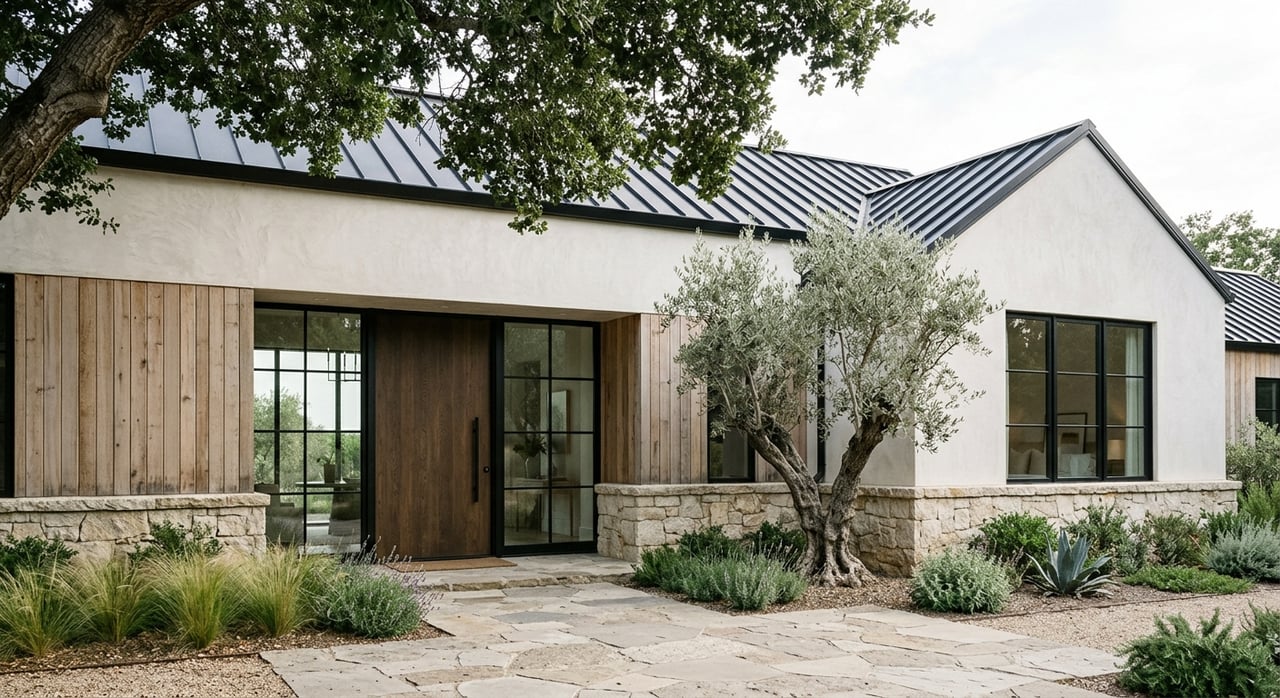
If you live in the Bay Area, Napa can look simple at first glance: close enough for a weekend, full of charm, and packed with lifestyle appeal. Once you start comparing neighborhoods, though, the picture gets more nuanced. Napa has twenty-six city-defined neighborhoods with distinct character, so the right fit often comes down to how you want to live when you are here. Let’s dive in.
Start with your comparison lens
Most Bay Area buyers compare Napa neighborhoods through four practical filters: architectural character, regional access, and privacy. Those categories shape daily life in very different ways, especially if you are balancing a primary residence in the Bay Area with a second-home or relocation plan in Wine Country.
A neighborhood that feels ideal on a map may not be the one that best matches your weekends, commute rhythm, or design preferences. That is why the comparison process works best when you move beyond broad labels and start thinking block by block.
Neighborhood-centric often leads the search
For buyers who want to leave the car parked and enjoy Napa on foot, the downtown-adjacent neighborhoods usually rise to the top. The City of Napa describes Downtown as a vibrant mixed-use area with easy access to the Oxbow Public Market, the farmers market, restaurants, shopping, and the historic opera house.
That kind of convenience matters if you picture spontaneous dinners, coffee runs, or an easy stroll through the center of town. Visit Napa Valley also describes downtown as a hub for dining, tasting rooms, music venues, and art, which reinforces its appeal for buyers seeking an active, close-in lifestyle.
Neighborhoods buyers compare for convenience
Downtown is usually compared with Central Napa, Napa Abajo, and Fuller Park. These neighborhoods all sit within the close-in set, but each offers a different version of access and atmosphere.
Central Napa is known for the Alphabet Streets and for the main routes that connect into Downtown. Napa Abajo and Fuller Park tend to attract buyers who want older residential streets, mature tree cover, and a stronger sense of Napa’s historic urban fabric.
What to ask yourself
If a centralized location is high on your list, ask yourself a few simple questions:
- Do you want to walk to restaurants and shopping regularly?
- Do you prefer a mixed-use setting or a quieter residential street nearby?
- Are you looking for a home with historic character, or do you care more about convenience?
- Will you spend more time in town than on larger private grounds?
Your answers can quickly narrow the field.
Architectural character shapes the feel
Some buyers start with location. Others start with the home itself. In Napa, those two things are closely tied, because certain neighborhoods are strongly associated with older homes, layered architectural styles, and long-established street patterns.
Historic neighborhoods such as Napa Abajo, Fuller Park, and parts of Downtown often appeal to buyers who care about period homes and original neighborhood fabric. Napa Abajo was platted in 1853, and the area includes homes from many eras, with styles ranging from Victorian to early twentieth-century forms.
Where historic character stands out
Downtown contains some of the city’s highest-quality historic resources. Napa Abajo and Fuller Park also stand out for buyers who value older homes and a more established residential setting.
Alta Heights is another frequent comparison, especially for buyers who want proximity to downtown but a different visual experience. The City says Alta Heights includes varied architecture, and many homes enjoy city and valley views.
Why Alta Heights feels different
Alta Heights combines closeness with a more elevated setting. Its development history includes early-twentieth-century homes as well as later postwar construction, which gives the neighborhood a broader architectural mix than some buyers expect.
If you want a location that feels near the center of Napa but not identical to the flat, gridded historic core, Alta Heights often earns a spot on the shortlist. For many Bay Area buyers, that combination of access and views is a compelling middle ground.
Regional access matters more than many expect
For Bay Area buyers, convenience is not just about what is nearby in Napa. It is also about how easily you can get in and out. That is one reason some neighborhoods compete on commute logic and transportation access, even if they are less walkable than Downtown or Napa Abajo.
The Napa Valley Transportation Authority says Vine Transit connects Napa Valley to BART, the Vallejo Ferry, Fairfield Transportation Center, and Amtrak/Suisun connections. Route 29 connects Napa with El Cerrito del Norte BART, while Route 11 connects with the San Francisco Bay Ferry at the Vallejo Ferry Terminal seven days a week.
Neighborhoods with practical access
Bel Aire is specifically described by the City as having easy highway access and quick access to up-valley locations. That makes it a practical option for buyers who want smoother regional movement and everyday convenience.
Soscol Gateway also stands out in transportation conversations because it functions as one of the city’s main entrances. It is primarily commercial rather than residential, but its role in Napa’s access network still affects how some buyers think about nearby areas.
When access outweighs charm
If you expect frequent back-and-forth travel, a neighborhood with easier highway connections may matter more than perfect proximity. Many buyers begin wanting the most picturesque location, then realize their actual use pattern favors easier arrival, departure, and local errands.
This is especially true for second-home buyers who split time between Napa and the Bay Area. In that case, the best neighborhood is often the one that reduces friction every time you come and go.
Privacy and suburban calm have their own appeal
Not every buyer wants to be near the center of activity. Some want a quieter residential setting with more separation from downtown energy. In Napa, that usually leads buyers toward the city’s postwar and suburban comparison neighborhoods.
Bel Aire, Browns Valley, and Westwood are classic examples. These neighborhoods are often compared by buyers who want tree-lined streets, a calmer pace, and a more suburban pattern of living.
Bel Aire, Browns Valley, and Westwood
Bel Aire developed from mostly agricultural land after the 1950s and is described as having quiet, tree-lined streets alongside commercial centers. Browns Valley grew out of former orchards and farmland, and the City describes it as family-friendly, with parks and, in Browns Valley South, views toward hills and vineyards.
Westwood was developed around 1943 for wartime workers and is known for simple cottage housing, park access, and proximity to Highway 29. For buyers who want practical livability over historic detail, these neighborhoods often make sense.
Coventry Manor and a quieter setting
Coventry Manor is also part of the suburban end of the spectrum. The City describes it as having views and a mix of homes along state streets and more pastoral outlooks.
For Bay Area buyers, these areas can feel familiar in a useful way. They may not offer the same close-in ambiance as Downtown or Napa Abajo, but they can provide breathing room, convenience, and a more relaxed residential rhythm.
Views and water create a different shortlist
Some buyers are less focused on their steps to something or commute patterns and more focused on setting. In Napa, that usually means views, hillside character, or river-oriented living.
Alta Heights often enters the conversation because many homes enjoy city and valley views. Browns Valley South and Coventry Manor also come up for buyers looking for view-oriented options.
Riverpark as a niche option
Riverpark is a useful reminder that Napa includes some more specialized lifestyle pockets. The City describes Riverpark as including the gated Napa Yacht Club and homes oriented toward river views or direct water access.
That is a very different proposition from a classic historic neighborhood or a postwar suburban tract. If your priorities center on water, outlook, or a more distinct setting, Riverpark may be worth comparing even if it is not part of the standard first-round shortlist.
A simple way to compare Napa neighborhoods
When Bay Area buyers tour Napa, it helps to compare neighborhoods in a consistent format. Here is a practical framework you can use:
| Comparison Factor | Neighborhoods Often Considered |
|---|---|
| Commute convenience and downtown access | Downtown, Central Napa, Napa Abajo, Fuller Park |
| Historic character | Napa Abajo, Fuller Park, Downtown, Alta Heights |
| Suburban calm | Bel Aire, Browns Valley, Westwood, Coventry Manor |
| Views or water setting | Alta Heights, Browns Valley South, Coventry Manor, Riverpark |
| Regional access | Bel Aire, Central Napa, areas near Soscol Gateway |
This kind of side-by-side review helps you separate what looks appealing online from what will actually support your lifestyle.
Why street-level guidance matters in Napa
Because Napa has twenty-six official neighborhoods, broad impressions only go so far. The City notes that each area has its own character, history, and needs. In practice, that means one street can feel very different from another, even within the same neighborhood.
That is especially important if you are buying with a specific lifestyle in mind, whether that means weekend exploration, architectural interest, easy Bay Area access, or a more private setting. A refined comparison is rarely just Downtown versus Browns Valley. It is often one pocket, one block, or one hillside stretch versus another.
For discerning buyers, that is where local perspective becomes valuable. A thoughtful advisor can help you weigh not just neighborhood names, but how each location aligns with your priorities, use pattern, and long-term goals.
If you are comparing Napa neighborhoods from the Bay Area and want a more tailored view of where to focus, Hillary Ryan Group offers refined, data-informed guidance across Napa Valley. Request a private consultation.
FAQs
Which Napa neighborhoods are most walkable for Bay Area buyers?
- Downtown, Napa Abajo, Fuller Park, and parts of Central Napa are usually the most walkable options buyers compare.
Which Napa neighborhoods have the strongest historic character?
- Napa Abajo, Fuller Park, Downtown, and Alta Heights are the areas most often noted for historic character and older architectural fabric.
Which Napa neighborhoods feel more suburban and quiet?
- Bel Aire, Browns Valley, Westwood, and Coventry Manor are commonly compared by buyers looking for a calmer, more suburban setting.
Which Napa neighborhoods offer views or river-oriented living?
- Alta Heights, Browns Valley South, Coventry Manor, and Riverpark are often considered by buyers who prioritize views or water access.
Which Napa neighborhoods make Bay Area commuting easier?
- Bel Aire is known for easy highway access, Central Napa connects efficiently into Downtown, and areas near Soscol Gateway benefit from a strong regional access position.