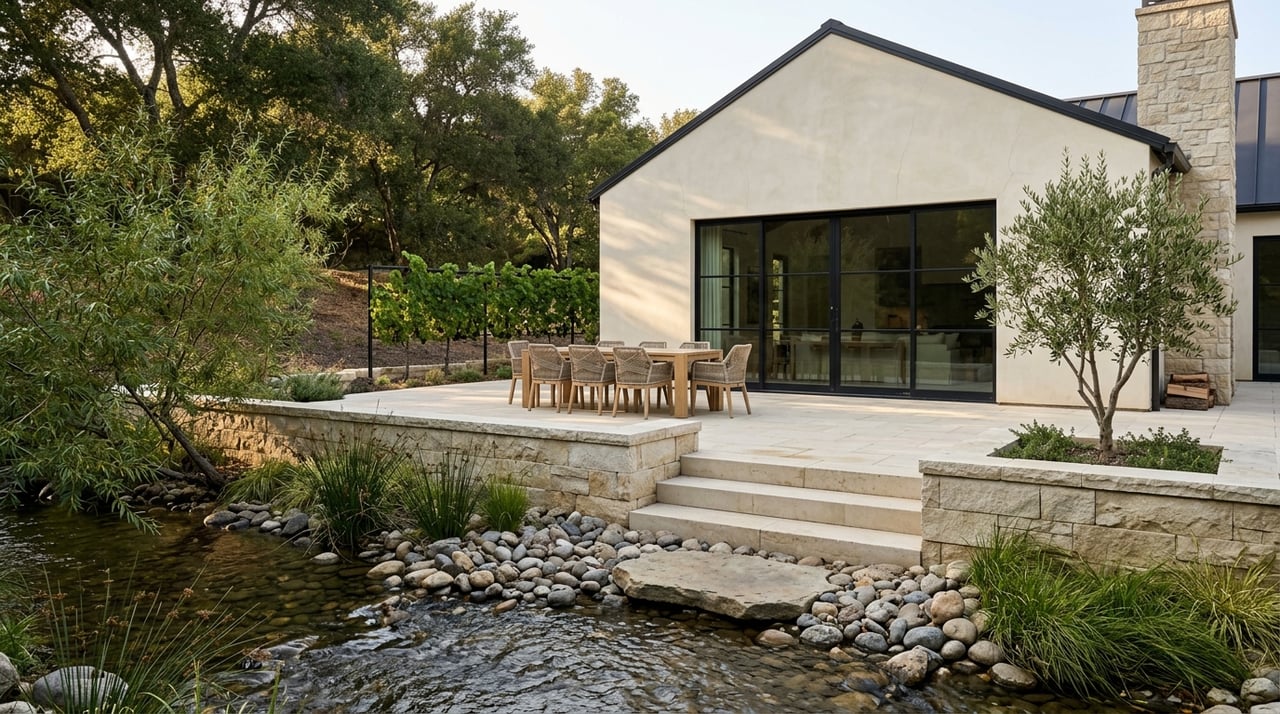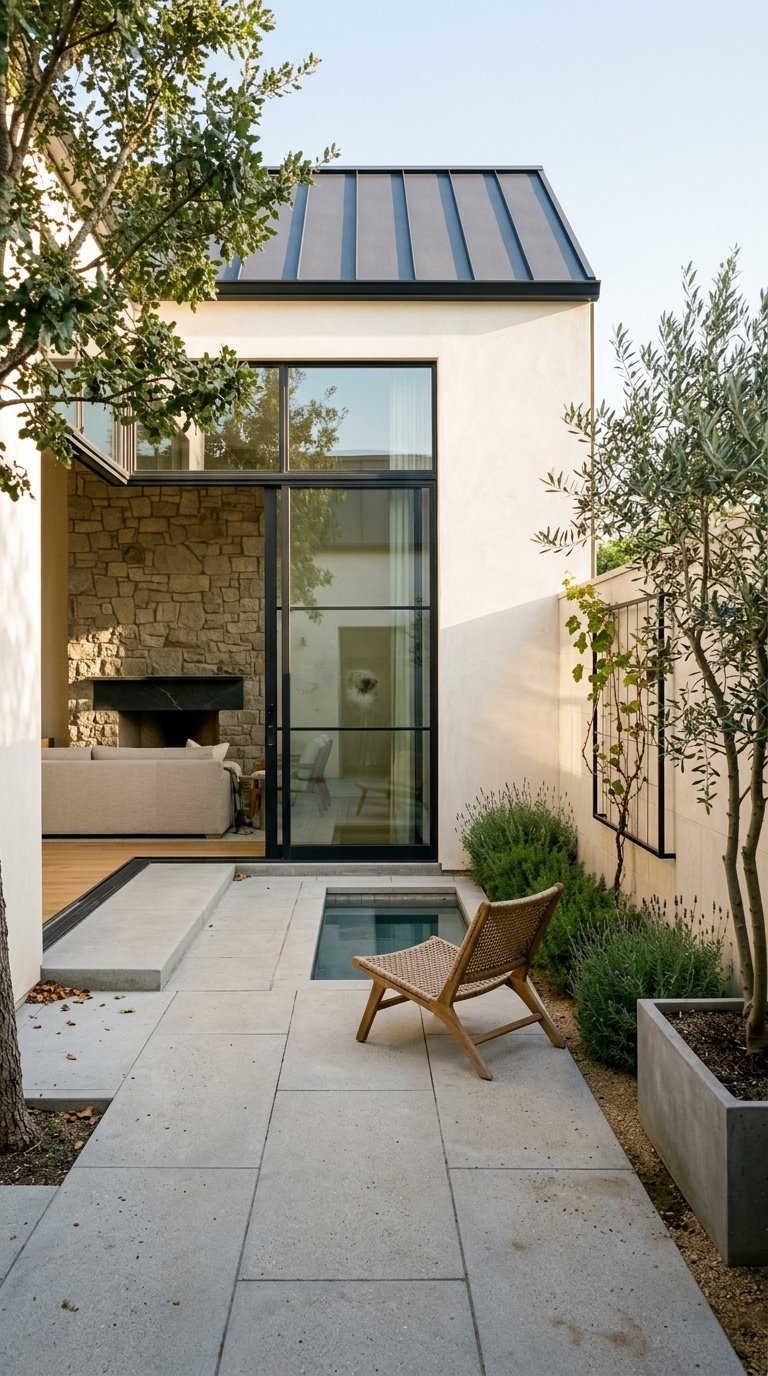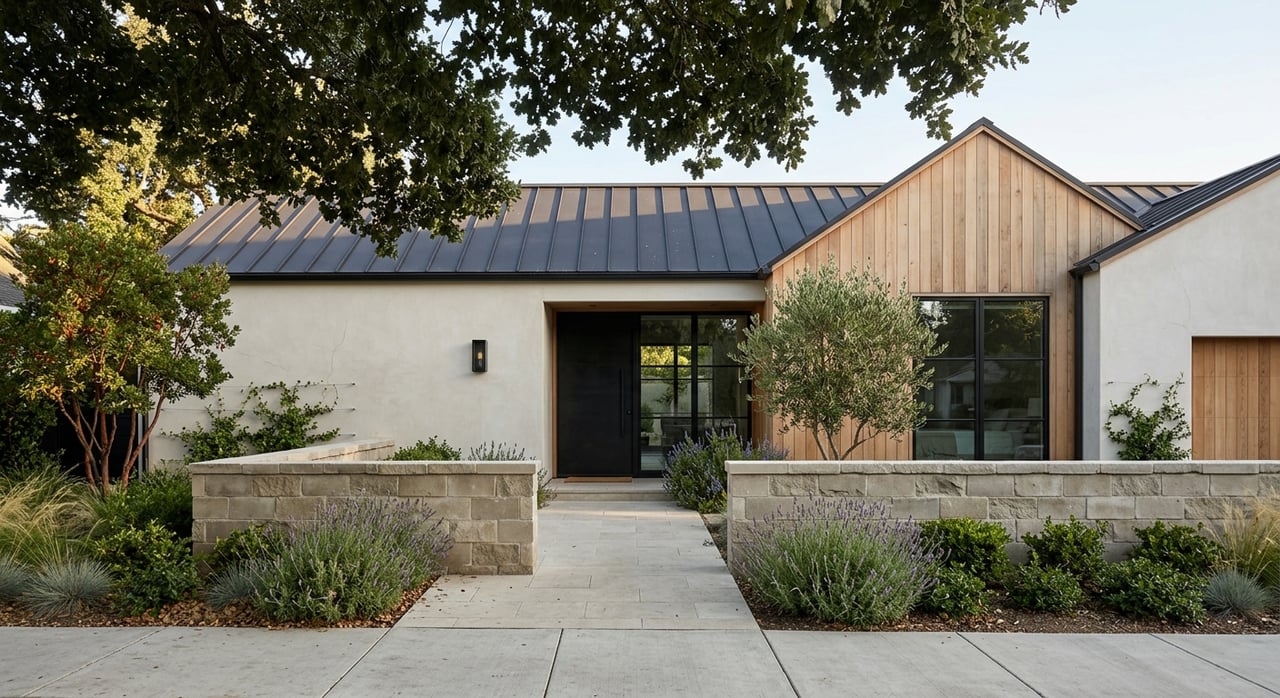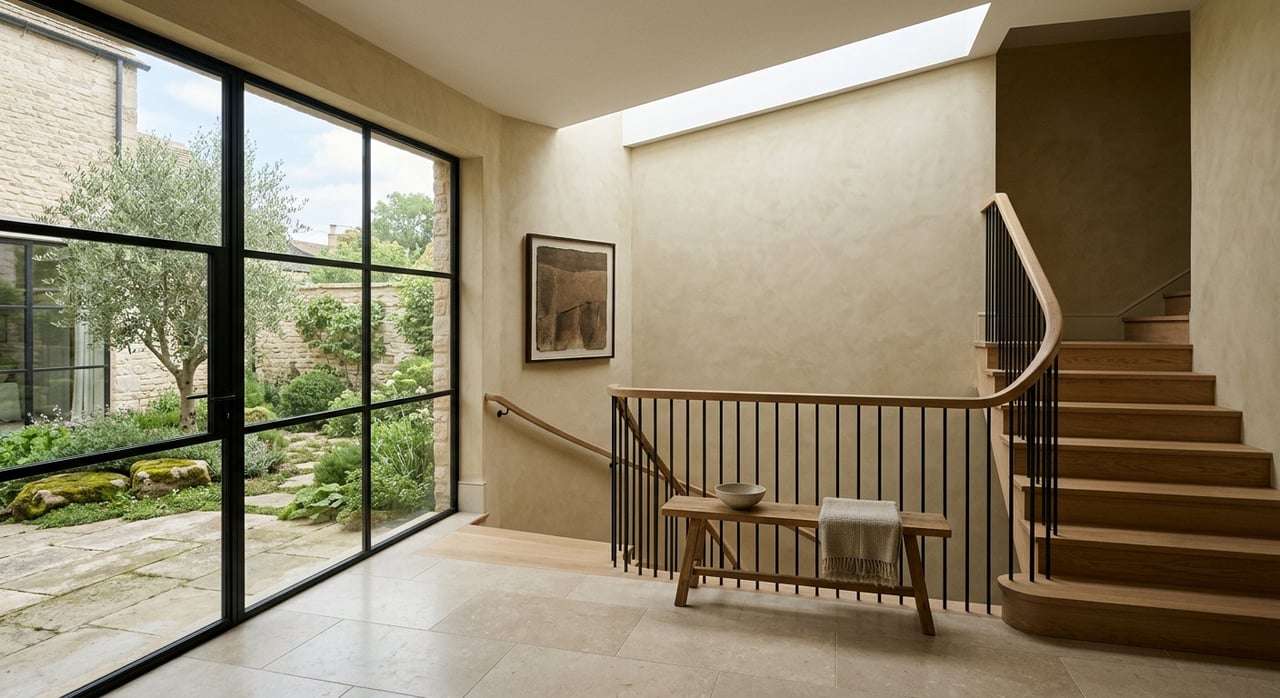
A Sonoma second home can be a beautiful lifestyle decision, but it works best when the plan is as thoughtful as the property itself. If you are picturing weekends near the Plaza, quiet mornings on a hillside, or a vineyard-edge retreat with more privacy, the right fit depends on more than style and price. A strong plan helps you compare location, carrying costs, and upkeep before emotions take over. Let’s dive in.
Start With How You’ll Actually Use It
Before you compare homes, define what “works” means for you. In Sonoma, a second home can function very differently depending on whether you want a walkable in-town base, a low-key retreat for guests, or a more rural property with land and privacy.
The City of Sonoma describes itself as a small-town, family-oriented visitor destination, with the historic Sonoma Plaza anchoring downtown life and events. That matters because your buying decision is not only about the house itself. It is also about how you want to spend your time once you arrive.
If you want easy weekends with minimal friction, in-town Sonoma may align best with your goals. If you are drawn to views, more separation, or land, hillside and vineyard-edge properties may be appealing, but they usually ask more of you as an owner.
Sonoma Pricing Requires Range, Not Assumptions
Sonoma is a premium market, but it is not a one-number market. Recent March 2026 snapshots show that pricing can vary meaningfully depending on property type and exact location.
Redfin reported a median sale price of $1,204,500 in Sonoma city and $815,000 in Sonoma County, while Zillow reported an average Sonoma city home value of $943,021 as of March 31, 2026. These numbers are not directly comparable, but together they reinforce an important point: micro-location and property profile matter.
Competition also remains real. Redfin reported a 99.6% county sale-to-list ratio and 36.6% of homes selling above list in March 2026, which suggests you should be prepared for a market where well-positioned homes can still attract strong demand.
Build the Budget Beyond the Purchase Price
A Sonoma second-home plan should account for ownership costs with the same care you give the acquisition itself. In this market, recurring expenses can shape whether a property feels easy to own or unexpectedly heavy.
At minimum, your planning should include utilities, ongoing maintenance, wildfire-related upkeep, insurance considerations, and any property-specific infrastructure needs. These are not side notes in Sonoma. They are core to the ownership experience.
Supplemental Property Taxes Matter Early
Sonoma County explains that a change in ownership or new construction can trigger a supplemental assessment. The resulting bill is in addition to the annual property tax bill, and depending on timing, one or two supplemental tax bills may be issued.
For a second-home buyer, that means the first year of ownership can feel more expensive than expected. It is wise to plan for that possibility up front rather than treating the contract price as the full cost of entry.
Water and Sewer Are Ongoing Line Items
The City of Sonoma adopted water-rate increases for fiscal years 2023-2024 through 2028-2029, effective December 1, 2023. The city cited higher wholesale water costs, aging infrastructure, new meters, and reserve needs related to fires, earthquakes, and drought.
Sewer costs also deserve a close look. Sonoma Valley County Sanitation District billing is partly usage-based, with 30% of a residential bill tied to winter household water use and 70% fixed. That means a second home that sits empty for part of the year may still carry meaningful utility costs.
Older Homes May Need More Infrastructure Attention
In Sonoma, charm can come with added responsibility. Sonoma Water says property owners are responsible for private sewer laterals, and its ordinance requires inspection and repair for many properties that are 30 years or older.
That does not make an older home less appealing. It simply means the ownership plan should reflect the realities of age, systems, and long-term maintenance.
Insurance Should Be Part of the Search
Insurance is a major variable, especially for hillside or more rural properties. The California Department of Insurance says the FAIR Plan is the insurer of last resort and may need to be paired with a separate DIC policy to help fill coverage gaps.
Its Safer from Wildfires program also notes that qualifying mitigation actions can earn discounts. For buyers considering more exposed sites, insurance shopping should begin early, not after you have mentally committed to a property.
Choose Location by Ownership Style
One of the smartest ways to design a Sonoma second-home plan is to organize your search by ownership style. In practice, that means starting with jurisdiction, service setup, and maintenance profile before you focus on finishes or views.
In-Town Sonoma for Ease and Walkability
In-town Sonoma often makes the cleanest second-home choice for buyers who want simplicity. The city provides water service, wastewater is handled by Sonoma Valley County Sanitation District, and downtown life is centered around the Plaza, an 8.5-acre historic park and National Historic Landmark.
The Plaza also supports regular community activity, including the Tuesday night farmers market and special events. The city notes that there are two public no-charge parking lots downtown, which adds to the convenience for owners and guests.
If your ideal second home is lock-and-leave, easy to reach, and close to restaurants, shops, and events, in-town Sonoma usually offers the most straightforward ownership pattern.
Hillside Properties for Privacy and Views
Hillside and edge-of-town homes can deliver a more private and dramatic setting, but they require a sharper lens on wildfire exposure, access, and year-round maintenance. CAL FIRE’s Fire Hazard Severity Zones classify areas as Moderate, High, or Very High, and the maps describe hazard rather than insurance underwriting.
Sonoma City and Sonoma Valley Fire District are updating local maps following CAL FIRE’s 2025 statewide release, so broad assumptions are not enough. You should confirm the exact status of a specific parcel rather than relying on a general neighborhood impression.
Sonoma Valley Fire District says defensible-space requirements apply year-round to both improved and unimproved parcels in its service area. The district also notes that 100 feet or more of defensible space has been shown to help save homes, which means hillside ownership should be budgeted as ongoing fuel and landscape management.
Vineyard-Edge and Rural Parcels for Complexity
Vineyard-edge homes and more rural parcels can be deeply appealing, especially if you value privacy, land context, and a stronger sense of retreat. They can also require the most diligence.
The City of Sonoma notes that unincorporated Sonoma Valley water customers should contact Valley of the Moon Water District. Permit Sonoma datasets indicate that where public sewer is not available, homeowners must have septic systems, and permits are required to drill, abandon, or deepen wells.
In practical terms, these properties often involve more moving parts. Water source, wastewater handling, site access, and long-term maintenance should all be part of your front-end evaluation.
Understand Sonoma’s Short-Term Rental Limits
For many second-home buyers, flexibility matters. In Sonoma, that means you should understand the local rules before you make assumptions about occasional hosting or rental use.
The City of Sonoma says new vacation rentals are generally prohibited, except for limited historic adaptive-reuse cases. Existing licensed vacation rentals may continue if they comply with city standards.
The city also states that ADUs, junior ADUs, and efficiency dwelling units may only be rented for 30 days or more. If rental income is part of your second-home strategy, these rules are not a detail. They are a major filter.
Use Jurisdiction as Your First Filter
One of the most useful Sonoma planning principles is simple: start with jurisdiction first, not price first. City versus unincorporated Sonoma Valley can change your water provider, sewer or septic setup, fire district requirements, and day-to-day maintenance expectations.
That difference can affect how easy the property is to own, how often you need vendors on site, and how predictable your recurring expenses may feel. Two homes that seem similar on paper may operate very differently once you look at the service framework behind them.
For second-home buyers, this is where clear advisory matters. The right property is not just the one that photographs well. It is the one that fits your time horizon, ownership style, and tolerance for complexity.
A Sonoma Second-Home Checklist
If you want a practical framework, focus on these questions as you narrow your search:
- Do you want walkability, privacy, or land most?
- Is the property inside the City of Sonoma or in unincorporated Sonoma Valley?
- What are the water and wastewater arrangements?
- Is the parcel in an area that requires more wildfire mitigation and vegetation management?
- What recurring utility and maintenance costs should you expect?
- Does the home’s age suggest added infrastructure review, such as sewer lateral responsibility?
- Do local vacation-rental rules align with your intended use?
- Does the home feel easy to own when you are away?
A second home should support your lifestyle, not complicate it. The best plan is the one that balances romance with realism.
If you are considering Sonoma, a refined buying approach means looking beyond the obvious. With the right framework, you can identify whether an in-town residence, hillside retreat, or vineyard-edge property truly fits how you want to live in Wine Country. For discreet, data-informed guidance on Sonoma second-home opportunities, Hillary Ryan Group can help you evaluate the details with clarity.
FAQs
What makes Sonoma different for a second-home buyer?
- Sonoma offers very different ownership experiences depending on whether you buy in-town, on a hillside, or on a more rural parcel, so location strategy matters as much as the home itself.
What costs should I budget for in a Sonoma second home?
- Your Sonoma second-home budget should account for recurring items such as water, sewer, insurance, defensible-space maintenance, and potential infrastructure upkeep, not just the purchase price.
What should I know about supplemental property taxes in Sonoma County?
- Sonoma County states that a change in ownership or new construction can trigger a supplemental assessment, and one or two additional bills may be issued depending on timing.
Can I use a Sonoma second home as a short-term rental?
- In the City of Sonoma, new vacation rentals are generally prohibited except for limited historic adaptive-reuse cases, and ADUs may only be rented for 30 days or more.
How should I compare in-town Sonoma and rural Sonoma properties?
- In-town Sonoma often offers easier utility setup and walkability, while rural and vineyard-edge properties may require more diligence around water, septic, access, wildfire mitigation, and long-term maintenance.
Why does jurisdiction matter when buying a second home in Sonoma?
- Jurisdiction can affect water service, sewer versus septic, fire district requirements, and maintenance expectations, which makes it one of the most important early filters in your search.