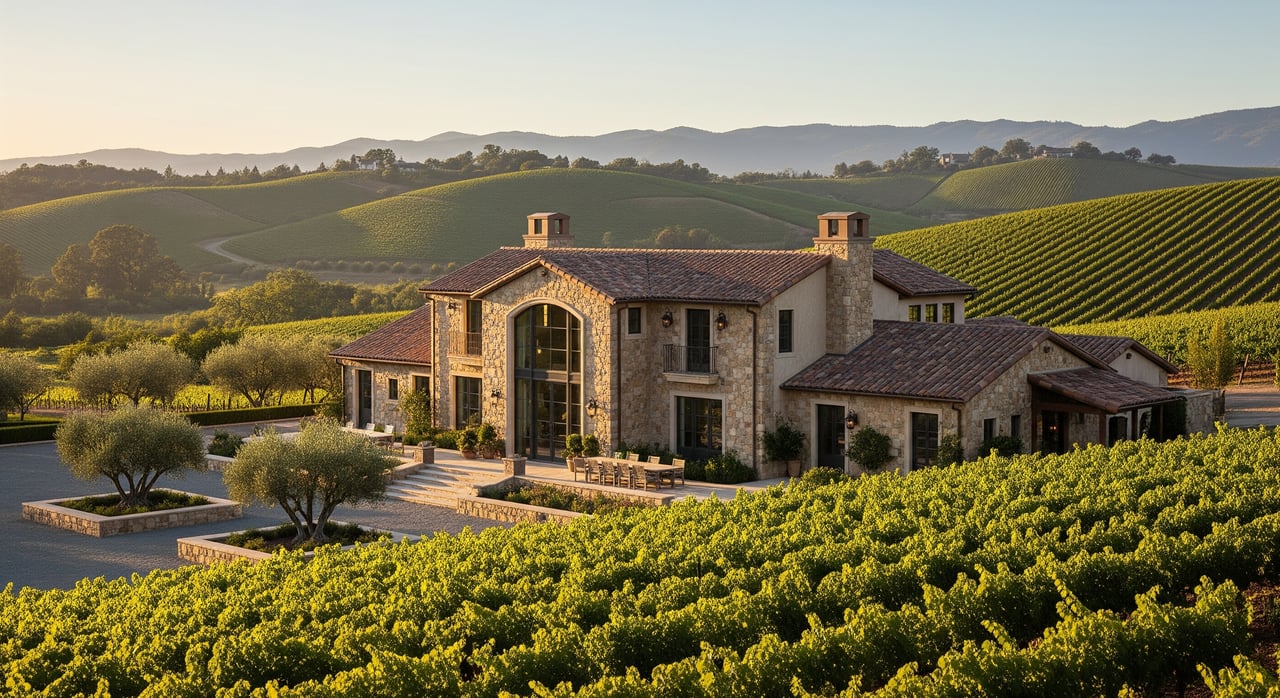
What is a fair price for a Napa luxury estate when every property feels one of a kind? If you are weighing vineyard acreage, brand prestige, permits, and wildfire risk, you are not alone. Pricing in Napa rewards a disciplined approach that blends data with local nuance. In this guide, you will learn the key value drivers, practical valuation methods, and a clear checklist to bring to market with confidence. Let’s dive in.
Why Napa pricing is different
Napa Valley is a globally recognized wine region where terroir, brand, and permitted uses often drive value as much as square footage. The luxury market is thin, and many estates include vineyards, winery facilities, or hospitality elements that do not match typical residential comps.
Local rules also matter. Napa County has long protected agricultural and scenic resources, so uses like winery operations, events, or new construction often require discretionary permits and compliance with conditions. If you plan to validate allowable uses, consult Napa County Planning, Building and Environmental Services for zoning, use permit definitions, and current guidance.
Environmental factors affect value and insurability. Wildfire exposure, watershed restrictions, and conservation easements can shape both operating costs and buyer demand. For a current view of hazard zones, review resources from Cal Fire. For insurance trends and availability, the California Department of Insurance provides consumer guidance.
What drives value in Napa luxury estates
Location and terroir
AVA and sub-AVA designations influence value, especially for vineyard and winery buyers. Specific sites within areas like Rutherford or Oakville can command premiums based on slope, aspect, elevation, and historic quality. Proximity to towns, tasting corridors, and highway access shapes lifestyle appeal and operational logistics.
Land and acreage
Not all acreage is equal. Land suited to viticulture, with strong soils and drainage, is valued differently than raw or restricted acreage. Conservation easements and agricultural preserve designations can limit future uses while protecting long-term stewardship.
Vineyard and wine-production assets
Vine age, varietal mix, vine density, and yield history are central to vineyard value. Disease history and replanting needs affect both pricing and near-term capital plans. If a property includes a winery, tasting room, or equipment with federal and state permits, buyers often apply income or replacement-cost analyses to capture operational value.
Entitlements and allowable uses
Existing discretionary entitlements can significantly increase value. Winery use permits, event allowances, guest lodging approvals, and conditions of approval reduce entitlement risk and support income potential. Lack of clear permits can constrain pricing and extend escrow timing.
Improvements and amenities
The main residence, guest houses, hospitality areas, wine cellars, and high-end finishes influence lifestyle demand. Infrastructure such as roads, wells, water storage, septic systems, and power reliability also play a measurable role in buyer evaluation and appraisal.
Marketability and buyer pool
Buyer profiles vary, which affects pricing strategy. Private lifestyle buyers seek privacy, views, and design. Investor buyers focus on grape revenue, winery EBITDA, and permits. Hospitality operators consider tasting, events, and lodging capabilities.
Risk factors that reduce value
Wildfire risk, smoke-taint exposure for grapes, insurance cost or availability, water scarcity or groundwater limits, and complex entitlement status can depress value. Make sure you obtain current insurer feedback, water capacity documentation, and clear permit histories to support pricing.
How to value and set price
Comparable-sales approach
Start with comparable sales, including both MLS and private transactions when available. Adjust for acreage, vineyard quality, permitted uses, views, improvements, and time on market. Because the sample size is often small, document each adjustment with evidence such as permit dates and event allowances.
Income approach for operating assets
If the estate includes producing vineyards, a winery, or hospitality income, apply income-capitalization or a discounted cash flow model. Include revenue from grape contracts, wine sales, tasting, events, and lodging where permitted. Cap rates vary widely by quality, brand strength, and history of profits, so align your assumptions with local market data.
Cost and replacement analysis
When improvements are new or unique, estimate replacement cost less depreciation and add the land value. This is helpful for bespoke winery buildings, hospitality facilities, or extensive infrastructure where income history is limited.
Hybrid allocation and transparency
Allocate value to the land, the residential and winery improvements, and any intangible business value such as brand or distribution relationships. Clear allocation supports buyer financing, tax planning, and negotiation.
Pricing strategy for sellers
- Obtain a broker valuation that blends comps with income analysis.
- Assemble a full documentation package to justify value and speed diligence.
- Price for the most likely buyer pool. Investor buyers focus on income. Lifestyle buyers pay for rare views, privacy, and provenance.
- Select a listing strategy that fits your timeline. Some estates benefit from targeted off-market outreach before public launch.
- Set a negotiation cushion, but be realistic given liquidity in a thin market.
Pre-listing checklist for Napa estates
Prepare a comprehensive file before you launch to market. This builds credibility and reduces surprises.
- Property map, legal description, and any recent ALTA survey.
- Preliminary title report with easements, covenants, and restrictions.
- Current and historic vineyard records: yields, harvest dates, varietal maps, soil analyses, pest or disease history.
- Winery and hospitality documentation: federal TTB permits, California ABC and county use permits, certificates of occupancy, event permit history.
- Financials for income-producing operations: P&L, revenue by source, grape contracts, leases, and recent tax returns.
- Infrastructure records: well logs, water rights or allocations, irrigation plans, wastewater or septic permits, and any road maintenance agreements.
- Environmental items: Phase I environmental report, remediation history if any, wildfire mitigation plans, and defensible space documentation.
- Insurance history, current policy terms, and preliminary quotes for renewal.
- Recent appraisals, inspections, and cost estimates for deferred maintenance.
- Zoning confirmation and a summary of allowable uses and event caps.
- Any conservation easements or agricultural-preserve enrollments with terms.
- Utility details and backup systems such as generators or water storage.
Buyer red flags to verify in Napa
- Entitlement status and transferability of permits for winery operations, tasting, events, and lodging.
- Wildfire risk profile and the availability and cost of insurance.
- Water capacity, groundwater limits, and irrigation reliability.
- Septic capacity and permitting, including any known constraints.
- Conservation easements or agricultural-preserve restrictions that limit uses.
- Vineyard health, replanting needs, and any smoke-taint or disease history.
- Deferred maintenance on roads, water systems, or winery infrastructure.
- Clear allocation between real property and any going-concern business value.
Marketing that reaches the right buyers
Napa’s top buyers expect outstanding presentation and clear, data-backed storytelling. A strong launch plan can improve both time on market and final price.
- High-production photography, aerial and drone footage, and lifestyle-driven video.
- Detailed offering memorandum with terroir maps, vineyard data, and permit summaries.
- Confidential pre-market outreach to strategic buyers when appropriate.
- Property microsites with long-form narrative and curated galleries to highlight provenance and lifestyle.
- Global distribution to reach qualified out-of-area buyers alongside targeted local broker engagement.
Local resources to inform your pricing
- Review zoning, use permits, and environmental guidance through the county’s official site at Napa County Planning, Building and Environmental Services.
- Confirm assessments and reassessment rules with the Napa County Assessor.
- Explore viticulture research and production guidance via the University of California Agriculture and Natural Resources and local Cooperative Extension resources.
- For regional industry context and AVA insights, visit Napa Valley Vintners.
- Winery permitting and compliance information is available from the Alcohol and Tobacco Tax and Trade Bureau.
- Wildfire risk maps and guidance are provided by Cal Fire.
- Insurance trends and consumer tools are available at the California Department of Insurance.
Ready to position your estate with a pricing strategy that matches Napa’s complexity and upside? Connect with the Hillary Ryan Group for a private consultation and a tailored plan that aligns with your goals.
FAQs
How should I weigh vineyard acreage versus the house when pricing a Napa estate?
- Separate the vineyard’s productive potential and terroir from the residence and amenities. Use comps for each and support the vineyard value with documented yield and vine condition.
How much do winery permits and event allowances affect price in Napa?
- Existing discretionary entitlements can be very valuable because they reduce entitlement risk and support income from tasting, events, and lodging where allowed.
What are the biggest risks buyers should factor into their Napa price analysis?
- Wildfire and smoke-taint exposure, insurance cost or availability, water or groundwater limits, use-permit restrictions, and deferred maintenance or infrastructure issues.
Can I apply a simple price-per-acre rule in Napa?
- No. Per-acre values vary widely by AVA, vine health, permitted uses, improvements, and scenic qualities. Use per-acre figures only as a rough reference alongside comps and income analysis.
Which due diligence gaps most often derail Napa transactions?
- Unclear entitlement status, missing or restrictive easements, open code violations, inadequate fire mitigation, undisclosed environmental issues, and valuation mismatches with lenders or appraisers.
How will property taxes change when I sell or buy in Napa County?
- A change in ownership typically triggers reassessment under California’s Prop 13 framework. Confirm specifics with the Napa County Assessor and consult tax counsel for allocation and capital gains planning.