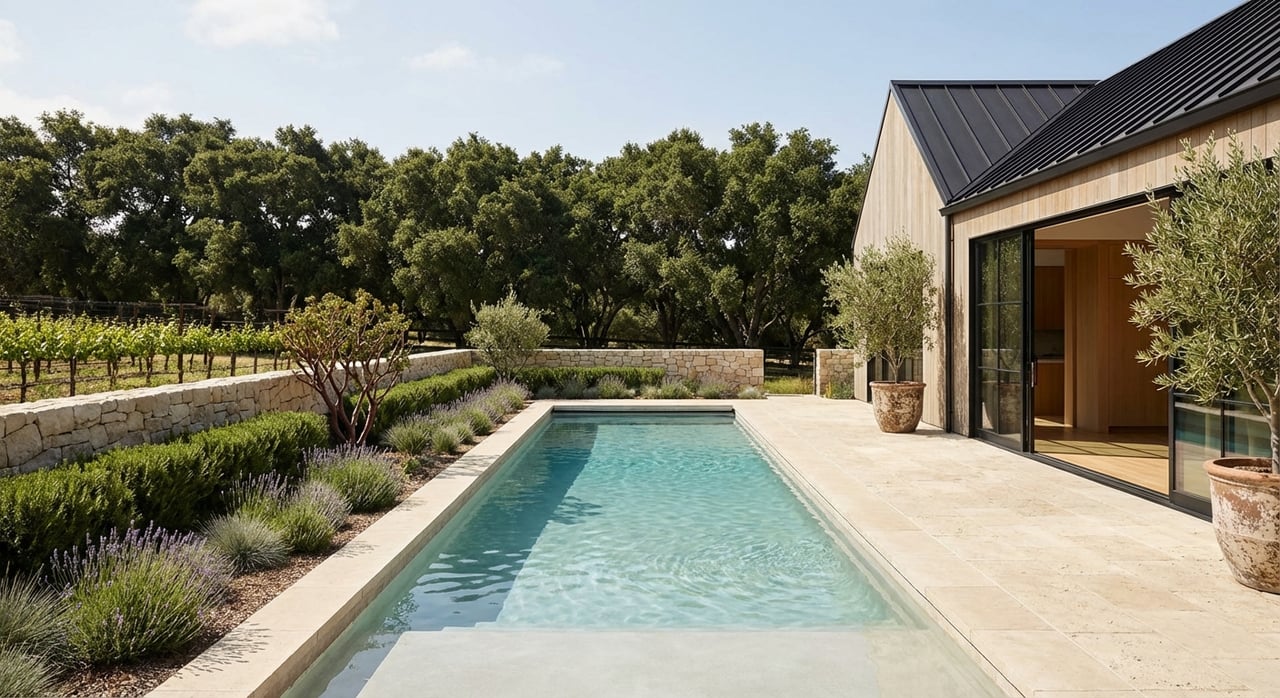
What draws you to Rutherford is not just the wines, but the way each day moves with the vines. Morning fog lifts to reveal ordered rows, afternoons glow with long light, and evenings often end with a glass on a terrace looking over the valley. If you are weighing a home here, you likely want the quiet, the views, and a connection to land that still works for daily life. This guide gives you a grounded look at the terroir, rhythms, dining, and practical details that define living along the Rutherford Bench. Let’s dive in.
What and where is the Rutherford Bench
A compact, historic AVA
Rutherford sits in the heart of Napa Valley and is recognized as its own American Viticultural Area. The federal rule that defines the boundary provides a clear sense of scale and setting for this compact district in the middle of the valley. You can see that legal description in the Code of Federal Regulations for the Rutherford AVA. For quick context on when it was named, the federal program lists Rutherford among the sub-appellations established in the modern era of Napa wine.
Soils, sun, and the feel of the Bench
The Rutherford Bench is an alluvial apron at the foot of the Mayacamas, built from gravelly loams and mixed sediments that drain well and warm evenly. These soils, plus wide-valley sun and cool nights, shape the area’s signature Cabernet profile with fine, powdery tannin and notes people describe as cocoa, leaf, and earth. Locals often refer to this textural imprint as “Rutherford dust.” To understand why the phrase stuck, read how historic producers in Rutherford reference it when they talk about their wines.
- Context: Rutherford soils and terroir overview
- Background: History and “Rutherford dust” in local lore
Daily rhythms on the Bench
Growing season to harvest
Life here is tied to the vine cycle. Spring brings bud break and new growth. Summer shifts to canopy work and midseason calm. Late summer to fall is harvest season when trucks, bins, and crews add energy to the lanes, sometimes even at night to keep fruit cool. The 2023 vintage notes capture that arc well, including the timing of early white picks and later reds through October.
- Learn more: Harvest timing and local vintage notes
Calm winters, bright springs
After harvest, the valley exhales. Winter can be the quietest time, with soft light and open tasting calendars. By spring, the vines wake, wildflowers dot the roadsides, and you feel the valley’s momentum return.
Tasting culture at your doorstep
Historic estates within minutes
Part of living on the Bench is having landmark wineries in your orbit. Beaulieu Vineyard is a touchstone for Rutherford history and a reliable, well-staffed tasting experience. For a cinematic, château-style visit with guests, Inglenook offers grand architecture and landscaped grounds that define the central valley corridor.
- History lens: Beaulieu Vineyard
- Iconic setting: Inglenook
Scenic sips and private appointments
Many Rutherford tastings now favor reservations and curated experiences. Hilltop estates like Rutherford Hill set the stage with terraces and valley views, perfect for a late afternoon appointment. Smaller, family-run properties such as Staglin Family aim for quiet, focused tastings that highlight sustainability, caves, and library selections. As a resident, you will often book ahead, and building relationships or joining clubs can unlock more spontaneous visits.
- Terrace views: Rutherford Hill
- Boutique perspective: Staglin Family
- Community stewardship: Rutherford Dust Society
Dining and easy weekends
Go-to neighborhood dining
Rutherford Grill anchors many weeknights with approachable American fare and a relaxed, local feel. It is the kind of spot where you can slide into a booth after a late tasting or meet friends at the bar. When you host out-of-town guests, it becomes an easy, reliable choice.
- Local favorite: Rutherford Grill
Special-occasion moments
For celebrations, Auberge du Soleil’s hillside restaurant pairs refined service with panoramic views of the valley. It is an elegant place to mark milestones or watch sunset on the terrace. If you want to broaden the culinary map, Yountville and St. Helena are a short drive, with destination dining that rounds out your weekend plans.
- Valley-view dining: Auberge du Soleil Restaurant
Scenic routines and backroads
On weekdays, many residents favor the Silverado Trail and the quieter cross streets like Rutherford Cross Road or Skellenger Lane for a slower drive flanked by vines. Morning coffee on a terrace with low fog, a midday appointment at a nearby winery, and an evening walk along a lane bordered by oaks are common patterns. The point is not to rush. Living here means your errands often come with a view.
What living here looks like for buyers
Property types you will see
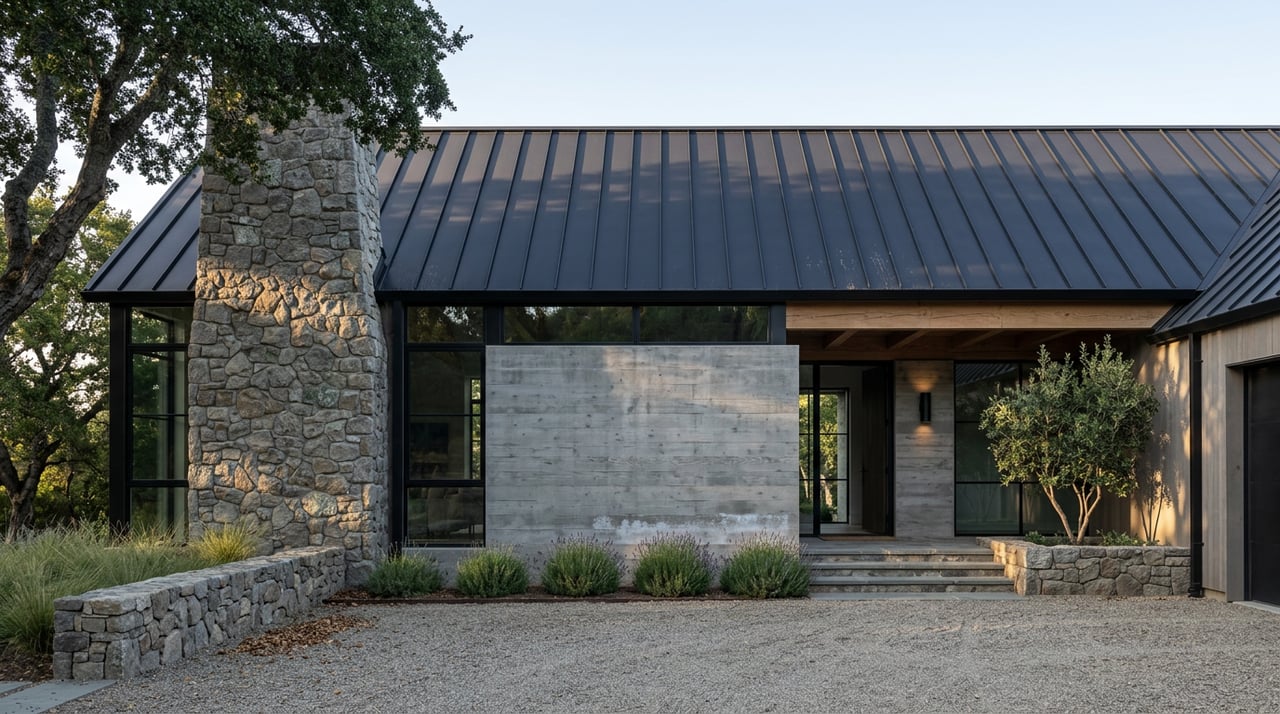
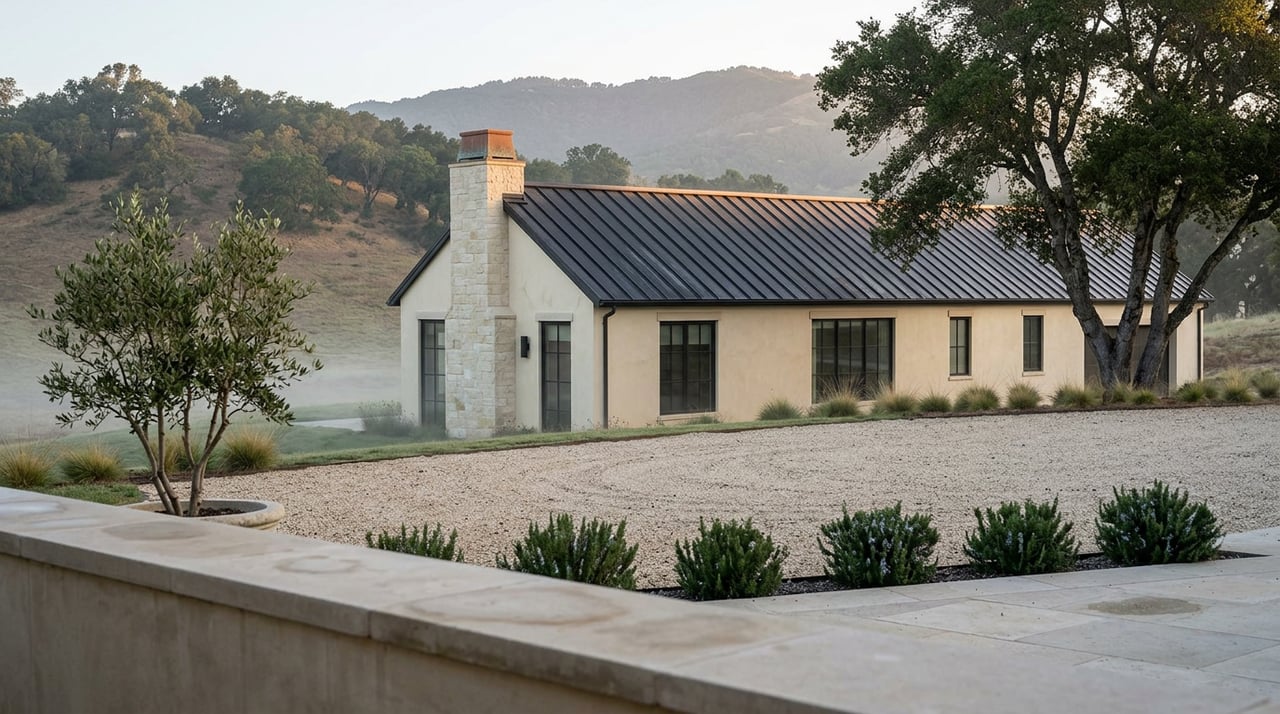
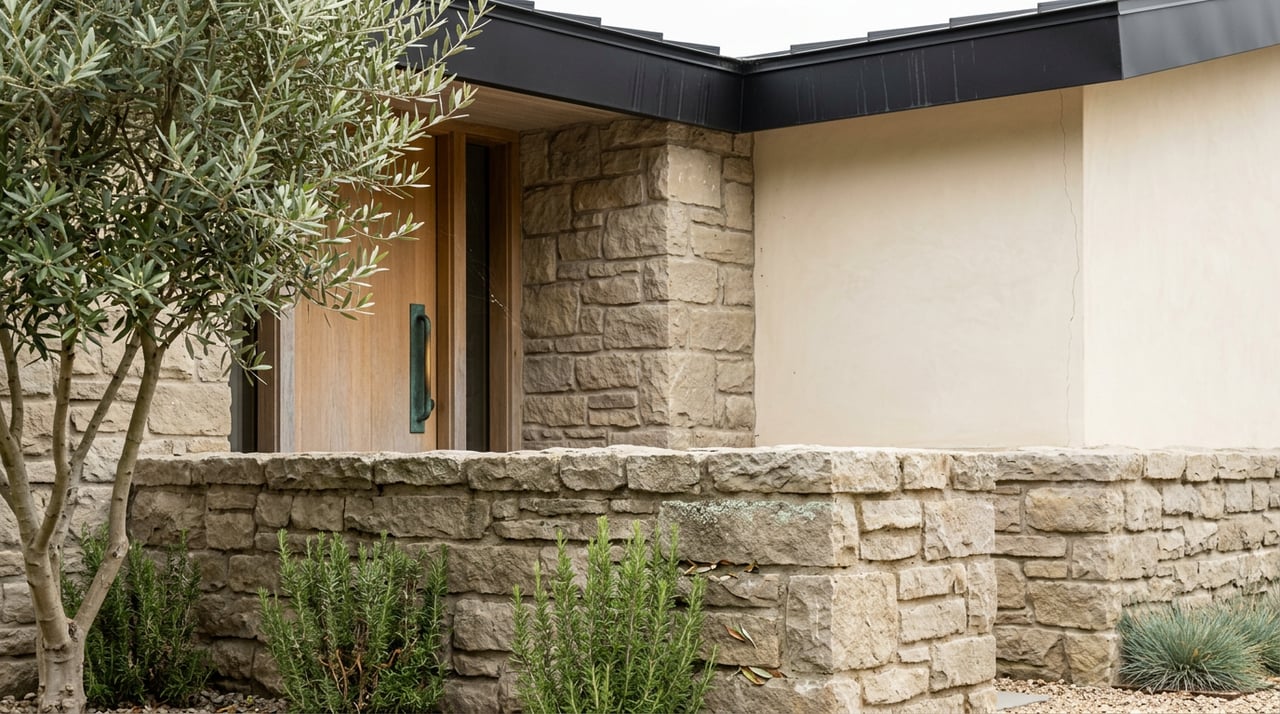
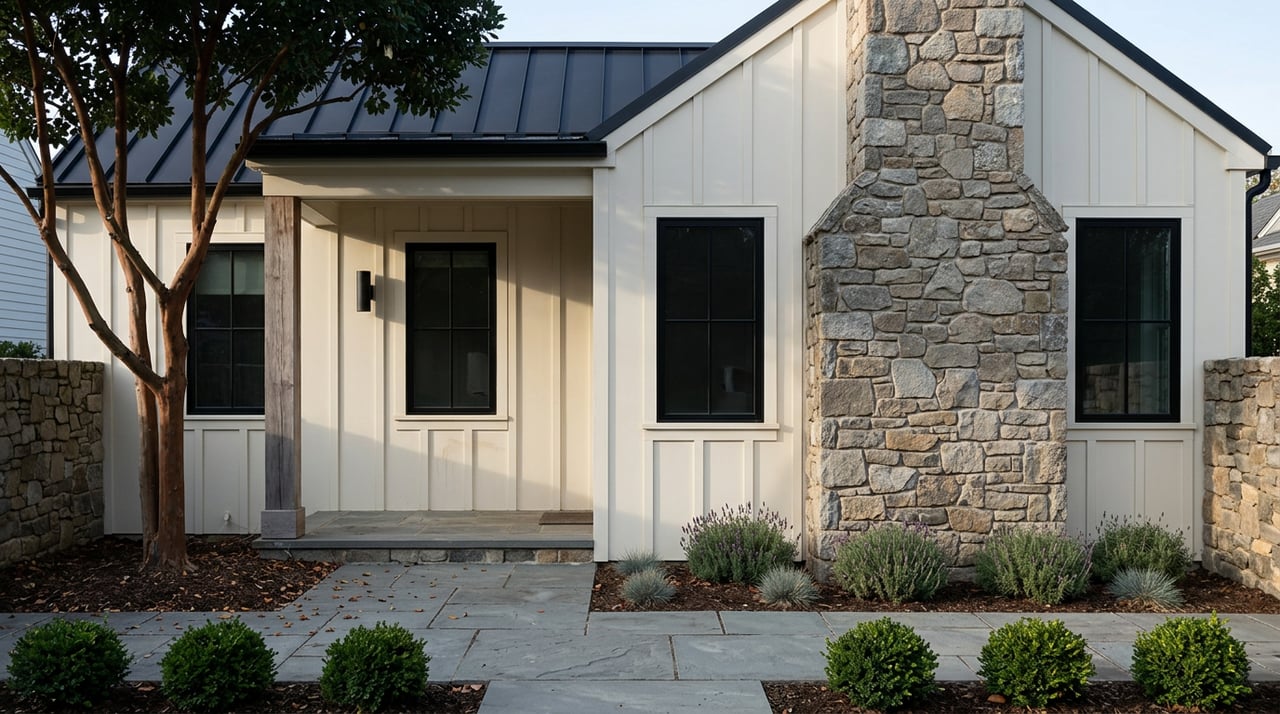
Homes range from updated ranch houses and cottages to larger gated estates with long drives, guest spaces, and working vines. Many parcels include detached barns or service buildings. Privacy, orientation to views, and outdoor living areas are central to how properties live and feel.
Practical questions to ask
Vineyards are active businesses, so understanding how a parcel operates is key. As you evaluate options, ask focused questions and document what you learn. A short due diligence list helps you compare properties side by side.
- Are there existing vineyard management contracts or crop agreements on or near the property?
- What are the water sources, storage, and any shared easements or access roads?
- How does the parcel relate to nearby agricultural operations, including seasonal equipment use or night harvest schedules?
- What are the current or allowable accessory uses for nearby wineries, and how might that affect traffic patterns at peak times?
- For tastings, what is the local reservation culture, and how will that shape your hosting habits with friends and family?
For broader context, Napa County’s planning framework treats agriculture as a prioritized land use, and local rules shape winery events and accessory operations. If you want a primer to discuss with counsel or consultants, review resources that summarize land use provisions for vineyards and wineries.
Community and services
Rutherford’s footprint is small, with a post office and services that reflect a community built around wine and agriculture. You will rely on nearby St. Helena, Yountville, and the city of Napa for broader retail and health care. The balance is part of the appeal: rural quiet paired with fast access to what you need.
Three simple lifestyle vignettes
A Rutherford morning
You wake to soft fog and the outline of the Mayacamas. After coffee on the terrace, you take the cross road east to a late-morning cave tasting. Lunch is light at home, and the afternoon is open for a short bike ride through vineyard lanes.
Entertaining in a vineyard home
Friends arrive for the weekend. You booked a private tasting at a favorite estate, then dinner at Rutherford Grill. The next day, you plan a sunset reservation at Auberge du Soleil to toast a milestone with the valley at your feet.
Quiet after harvest
In November, the valley slows. You drive the Silverado Trail without hurry, passing vines that have given their fruit. Evenings stretch by the fire, and you plan winter projects while looking ahead to spring growth.
How to navigate tastings as a local
Many wineries now ask guests to schedule in advance. That includes large, historic estates and smaller appointment-only houses. If you like flexibility, joining a club or building relationships with tasting teams can help you secure last-minute times when friends drop in.
- Tip: For an overview of appointment-style experiences in Napa Valley, browse reservation details on local winery listings. It is a useful habit when planning weekends with visitors.
Community collaboration and stewardship
Producers across Rutherford collaborate on education and terroir-focused events that celebrate the Bench and its unique identity. The Rutherford Dust Society is a hub for that work and a good pulse check on what is happening locally. If you value a community that takes care of its land, you will feel that ethos here.
- Learn more: Rutherford Dust Society
Ready to explore the Rutherford Bench?
If the mix of quiet lanes, historic estates, and working-vineyard beauty speaks to you, we would be honored to help you evaluate opportunities with clarity and discretion. From due diligence on land fundamentals to a plan for indoor-outdoor living that fits your life, our team brings a refined, data-informed approach to every search. Connect with the Hillary Ryan Group to discuss your goals. Request a private consultation.
FAQs
What is the Rutherford Bench in Napa Valley?
- It is the benchland within the Rutherford AVA, built from well-draining alluvial soils at the base of the Mayacamas, known for Cabernet with fine, powdery tannin often called “Rutherford dust.”
How busy is Rutherford during wine harvest months?
- Late summer through fall brings visible farm activity, including trucks, bins, crews, and occasional night harvests designed to keep fruit cool, which adds short-term traffic and energy.
Do Rutherford wineries require reservations for tastings?
- Many do, especially for curated or private experiences, so plan ahead and consider joining clubs or building relationships for more flexible access.
What home types are common along the Rutherford Bench?
- You will find updated ranch and farmhouse styles, vineyard-adjacent cottages, and larger gated estates with guest spaces, long drives, and outdoor living areas.
Where do residents go for daily services near Rutherford?
- Rutherford has a small footprint, so most residents pair local dining and inns with short drives to St. Helena, Yountville, or the city of Napa for expanded shopping and health care.