Two Oakville vineyard parcels can sit within sight of each other and still command very different prices. If you are weighing an Oakville purchase, that gap can feel confusing. You want clarity on what truly drives value so you can buy with confidence and position your fruit or brand for the long term. This guide breaks Oakville into practical micro-markets and gives you a focused due diligence path so you can move forward with a clear plan. Let’s dive in.
Why Oakville commands a premium
Oakville is a small Napa Valley AVA known for premium Cabernet Sauvignon and Bordeaux-style blends. The Oakville name itself carries marketing power, which creates an inherent premium for acreage inside the AVA. Parcels near marquee estates or named vineyard blocks often receive added pricing strength because buyers perceive similar terroir and branding potential.
Benchland vs valley floor
Benchland advantages
Bench and terrace sites typically offer shallower, better-drained soils and sit above the fog line longer. These conditions often favor concentrated Cabernet and can justify higher per-acre pricing. Benches also tend to have lower frost risk and different heat accumulation that can influence ripening and wine style.
Valley floor strengths
Valley floor parcels sit on deeper alluvial soils that can be highly productive. They may require more vigor management and thoughtful rootstock choice, yet they can deliver strong yields and value. If a parcel lies within a historically recognized block or includes older vines with documented performance, the market can price it alongside top-tier holdings.
How to confirm site position
Use maps and on-site review to verify whether a parcel is on bench, terrace, or floodplain. Elevation, slope gradient, and cold air drainage patterns matter for frost exposure and machinery access. Pair satellite or topographic tools with field walks to validate assumptions before you price a site or its fruit potential.
Soils and drainage drive style
Preferred profiles for Cabernet
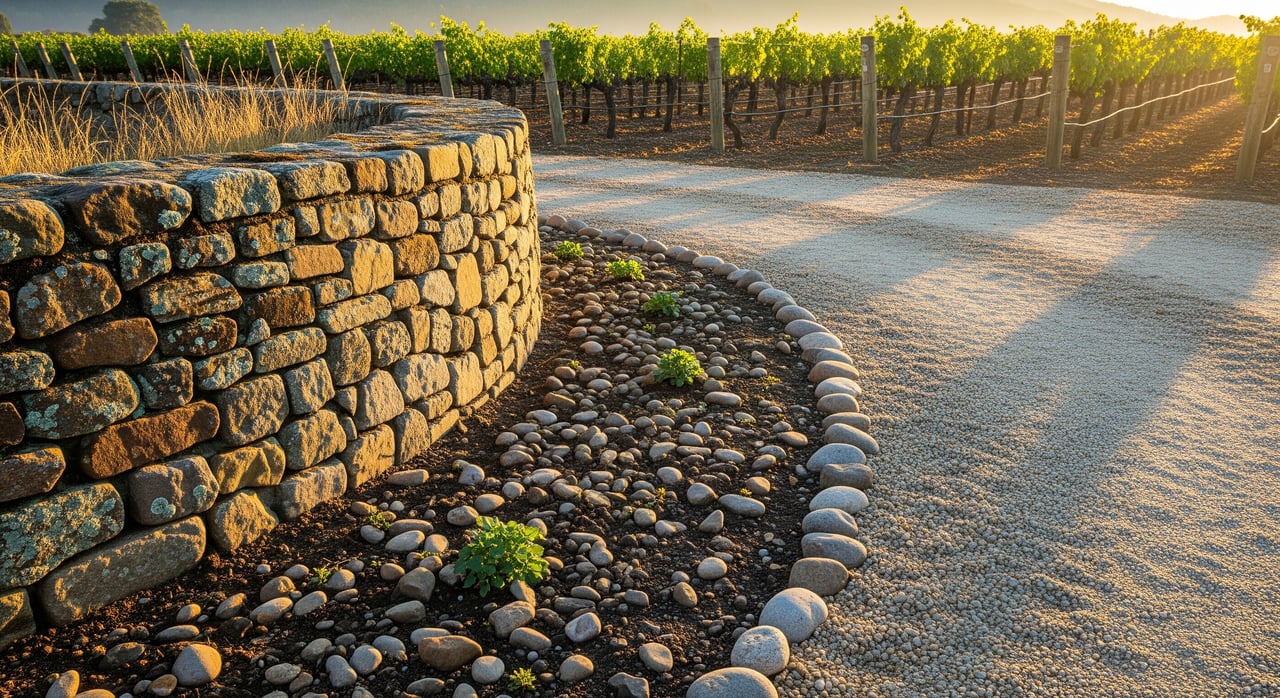
Well-drained, coarse-textured soils such as gravelly loams and cobble deposits are generally preferred for Cabernet because they limit vigor and support concentration. In contrast, deep fine-textured alluvial soils can be productive but often call for tighter canopy control and different rootstock strategies.
Expect soil variability
Many Oakville parcels are a mosaic of soil types. Parcel-level soil mapping, plus on-site auger pits or geotechnical work, gives you a truer picture of drainage class, texture, and depth. Watch for compaction layers or shallow bedrock, which can limit rooting depth and water holding capacity.
Field checks that matter
Do not rely on maps alone. Auger pits reveal gravel and cobble layers, percolation, and any restrictive horizons. Lab testing can confirm key metrics you will use to set irrigation, canopy management, and eventual replant timing.
Microclimate and water access
Fog and daily temperature swing
Fog penetration from San Pablo Bay and along river corridors shapes Oakville’s diurnal range and phenology. Bench sites often receive less fog than lowlands, which can speed warming and influence ripening curves. Tracking degree days and frost history helps align varietal and clonal choices with the site.
Heat accumulation and timing
Heat summation, chilling hours, and daily swings influence ripening windows and hang time. These metrics help you estimate when fruit will come off the vine and how that timing fits winery capacity or grape contract obligations.
Water rights and hydrology
Confirm well logs, irrigation permits, and any water rights tied to the parcel. On valley floor sites, factor in drainage patterns and flood risk when siting infrastructure or selecting rootstocks. Napa’s environmental and water-use permitting can shape what you plant and how you farm, so build timelines with that in mind.
Proximity and the brand halo
Near marquee vineyards
Parcels adjacent to well-known estates or named vineyard blocks tend to receive a pricing premium. Buyers often attribute terroir similarity and future marketing ease to adjacency, which can help with fruit placement or future label positioning. Compare recent sales for contiguous parcels versus more remote blocks to understand the magnitude of that premium.
Contracts and production access
Proximity can also influence access to custom crush or winemaking facilities and the stability of premium grape contracts. Documented sales to respected programs, with quality metrics, can support valuation and point to repeatable demand.
Labeling rules that shape value
Using “Oakville” on the label
Under federal rules, at least 85% of a wine’s grapes must come from the Oakville AVA to use “Oakville” on the label. If you plan to bottle under your own brand, this standard is central to capturing Oakville’s premium in the market.
Single-vineyard designation
To use a named single vineyard on a label, 95% of the grapes must come from that vineyard. If a block has a recognized name or an established history on labels, verify that records support the 95% rule and that no contracts or past brand usage restrict your rights.
Verify naming rights and history
Confirm whether any historical agreements, trademarks, or prior label usages could limit how you market the vineyard name. Title review and contract due diligence will protect your branding pathway and future exit options.
Vineyard age and block performance
Why vine age matters
Older, well-maintained vines with documented yields and quality metrics can add tangible value. Established clones, rootstocks, planting density, and trellis systems that align with Oakville’s growing conditions reduce guesswork and near-term capital needs.
Replant timing and capex
Young or recently replanted vineyards bring carried-forward capital but can be compelling if planted to desirable materials and modern trellising. Model replant cycles, including the 3 to 5 years to reach full production, and budget for any trellis or irrigation upgrades.
Pricing signals and comps
Revenue metrics to track
Start with per-acre grape revenue, calculated as price per ton times tons per acre. Pair this with multi-year yield histories by block to build forward assumptions. Contracts with premium wineries may support higher valuations, while flexibility to sell fruit to multiple buyers reduces concentration risk.
Finding the right comps
Recent closed sales for documented vineyard blocks in Oakville, and in adjacent AVAs when appropriate, are your most reliable indicators of value. Adjust for vine age, verified yields, and branding elements such as adjacency to named vineyards or vineyard designation potential.
Risk and long-term resilience
Climate and smoke considerations
Heat spikes, drought stress, and wildfire smoke events have both viticultural and market effects. Factor in irrigation reliability, canopy strategies, and potential smoke mitigation costs when you underwrite revenue and risk.
Regulatory and permitting risk
Napa County land-use rules, including winery Use Permits, septic and wastewater capacities, and CEQA reviews, can shape timelines and costs. Water restrictions or new environmental regulations may also affect expansion plans.
Market and distribution shifts
Luxury wine demand can fluctuate. Consolidation among buyers and changes in distribution may influence grape pricing and your ability to capture labeling premiums. Build sensitivity cases into your model and maintain optionality where possible.
Due diligence checklist
Use this focused checklist to structure your review:
- Parcel and title
- Parcel boundaries, legal description, and any easements or deed restrictions.
- Conservation easements, Williamson Act status, and subdivision limits.
- Soils and topography
- USDA or county soil maps, on-site auger pits, and lab analyses for texture and drainage.
- Slope, aspect, elevation, and cold air drainage patterns.
- Microclimate and risk
- Degree days, frost history, fog influence, and wind exposure.
- Wildfire and smoke event history from local records.
- Water and hydrology
- Well logs, yield tests, water rights, and irrigation permits.
- Drainage and flood risk for valley floor parcels.
- Vineyard data
- Planting year, varietal, clones, rootstocks, density, trellis, and block maps.
- Multi-year yield records, harvest dates, quality metrics, and farming programs.
- Contracts and operations
- Grape contracts, pricing terms, quality clauses, and buyer diversification.
- Custom crush or winery agreements and capacity alignment.
- Permits and development
- Winery permits, septic and wastewater capacities, and required road or utility improvements.
- Feasibility for accessory uses consistent with county rules.
- Financials and plans
- Current cash flow from fruit, operating costs, and near-term capex.
- Replant schedule, 3 to 5 year production ramp, and branding strategy aligned to labeling rules.
Who buys in Oakville and why
Investor focused on income and appreciation
You prioritize stable grape revenue and land appreciation. Documented yields, strong contracts, and efficient operations matter most.
Lifestyle buyer with a legacy vision
You want privacy, views, and the romance of vineyard living with an eye toward future improvements. Clear permitting paths and a trusted local team of specialists help reduce uncertainty.
Strategic winery acquirer
You seek to secure supply and possibly launch vineyard-designated wines. Adjacency, block performance, and branding rights are central to your underwriting.
A simple framework to compare parcels
Think across four axes that define Oakville micro-markets:
- Topography: bench or floor, with verified slope and frost dynamics.
- Soils and drainage: gravelly loams or deeper alluvial soils, validated by pits and lab work.
- Proximity and branding: adjacency to marquee vineyards, plus clear labeling and naming rights.
- Production and records: multi-year yields, vine age, and contract quality.
When you layer these factors with water certainty and permitting clarity, you get a sharper valuation picture and a better path to long-term brand value.
Ready to evaluate a specific Oakville parcel or assemble a quiet search plan tailored to your goals? Connect with the Hillary Ryan Group for refined, data-informed representation and a private, practical next step.
FAQs
Does benchland always beat valley floor in Oakville?
- Not always. Bench sites often earn premiums for concentrated Cabernet, but valley floor blocks with deep historic soils and strong production histories can command top prices too.
How much does being near a marquee producer add to value?
- Adjacency can add a meaningful premium due to perceived terroir similarity and marketing halo. Compare recent sales for contiguous parcels to estimate the lift.
What are the key labeling rules for Oakville fruit?
- To use “Oakville” on a label, at least 85% of grapes must come from the AVA; for a single-vineyard name, 95% must come from that vineyard.
Which records are most important before I buy an Oakville vineyard?
- Multi-year yield and quality data by block, soil and water documentation, grape contracts, title and easement review, and current permits are essential.
What short-term risks most affect vineyard value in Oakville?
- Climate-driven events such as heat spikes, drought, and wildfire smoke, along with water or permitting restrictions, can quickly affect yields and marketability.