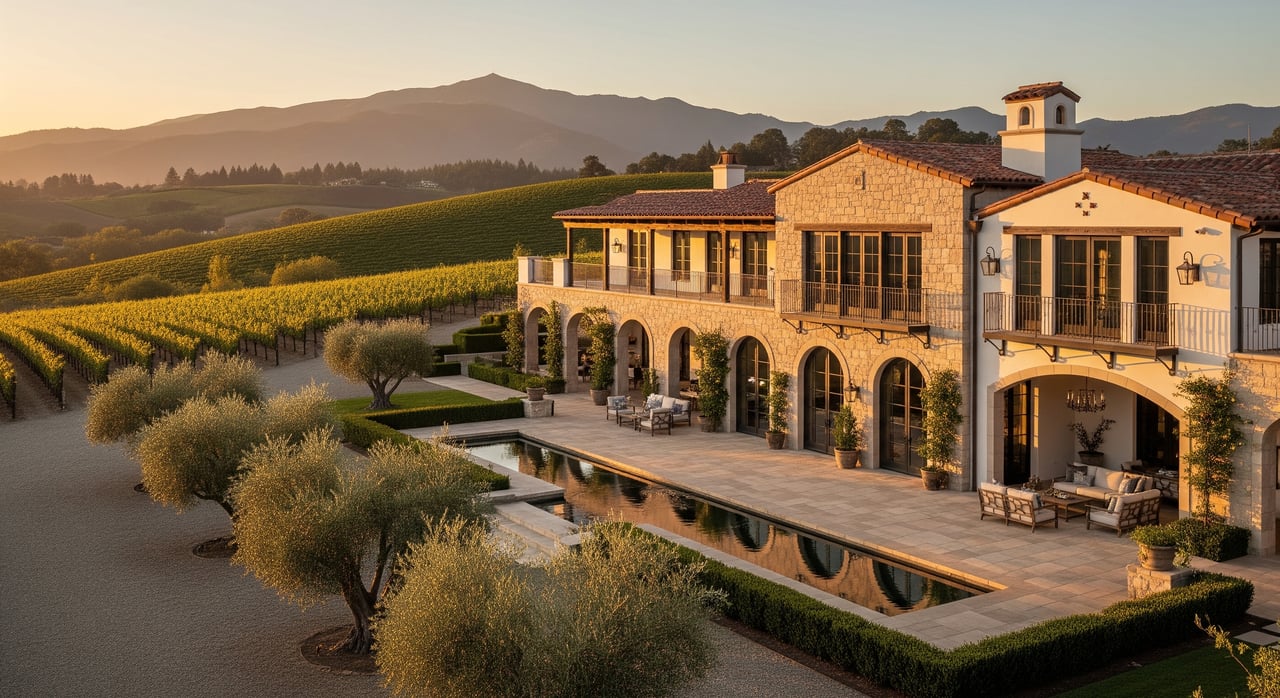
What makes one St. Helena estate command a premium while another lingers on the market? If you are weighing a purchase or preparing to sell, you know that in Napa Valley the story behind a property matters as much as its square footage. This guide breaks down how architecture, provenance, and site orientation influence desirability and pricing for luxury estates in St. Helena so you can make confident, data-aware decisions. Let’s dive in.
Why architecture shapes value
St. Helena attracts buyers who prize design, craftsmanship, and a sense of place. Architectural character signals quality and lifestyle, which directly affects how buyers perceive value.
Common styles you will see
- Historic Victorian-era residences in and around town, often with period details, mature landscaping, and close proximity to shops and tasting rooms.
- California and European-inspired country estates, including Mediterranean, Italianate, French Provincial, and Colonial Revival influences, often built as early- to mid-20th-century retreats.
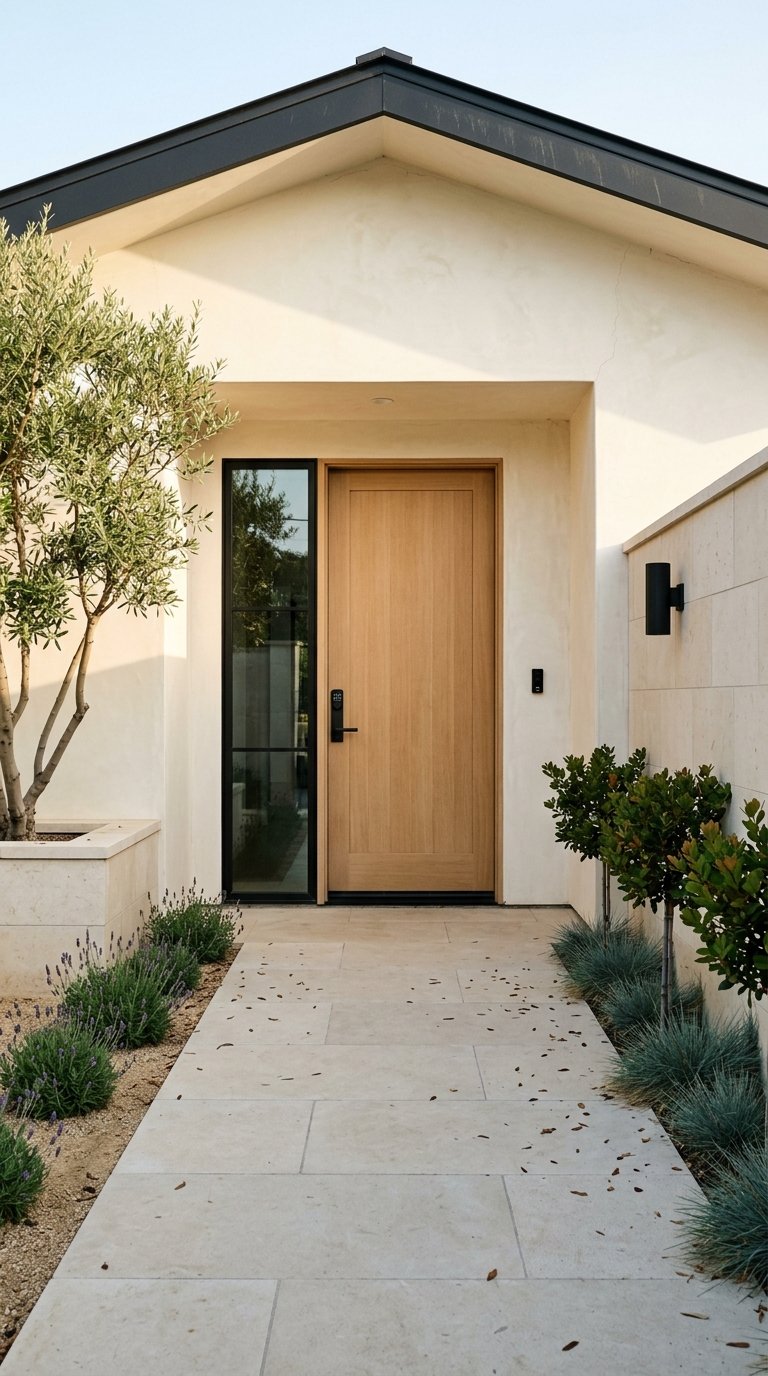
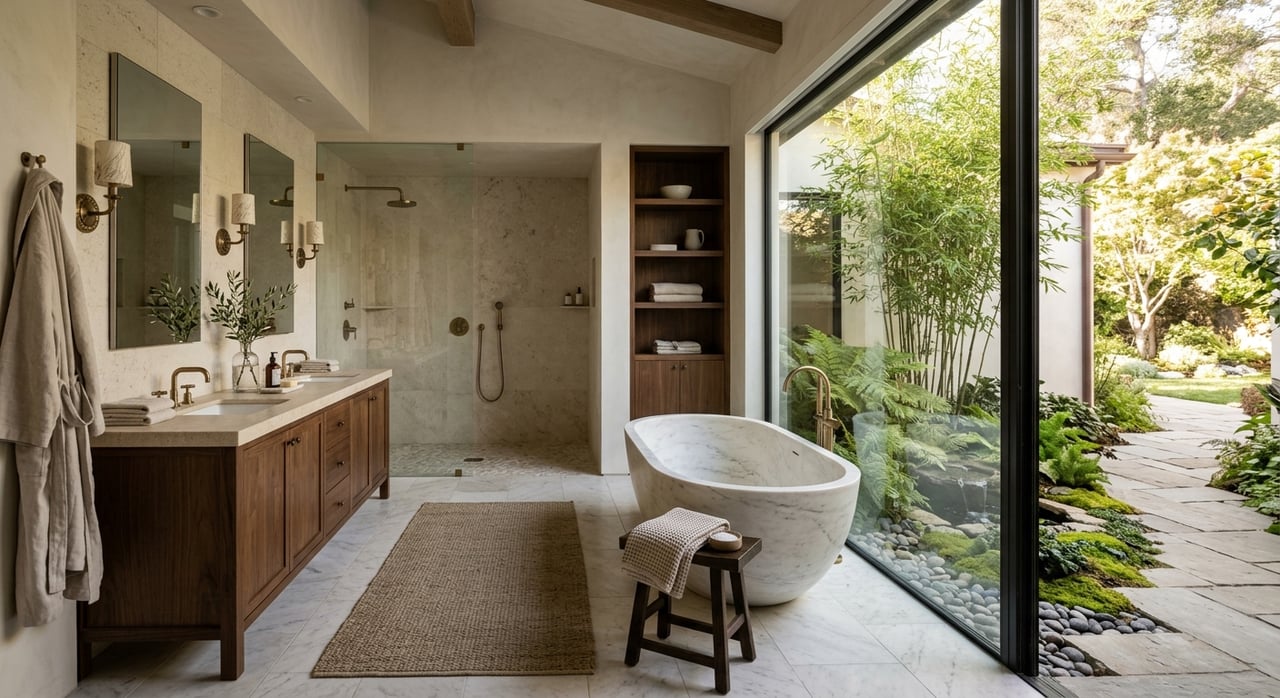
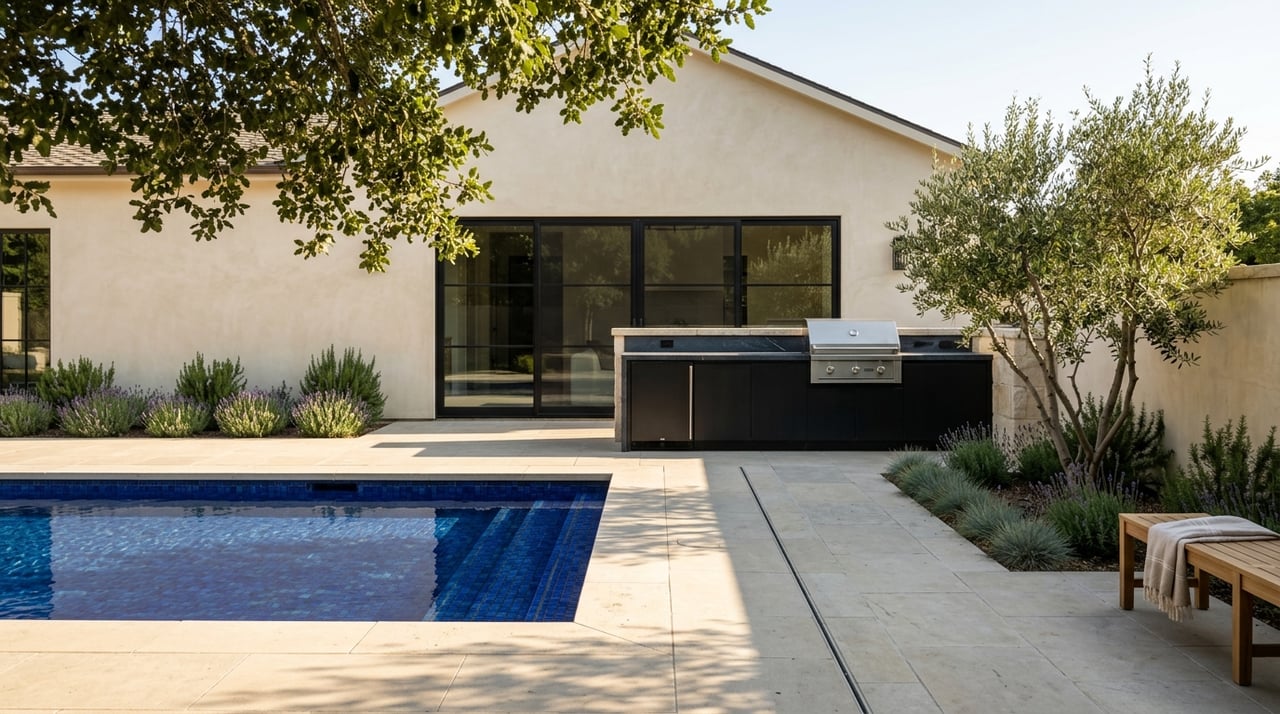
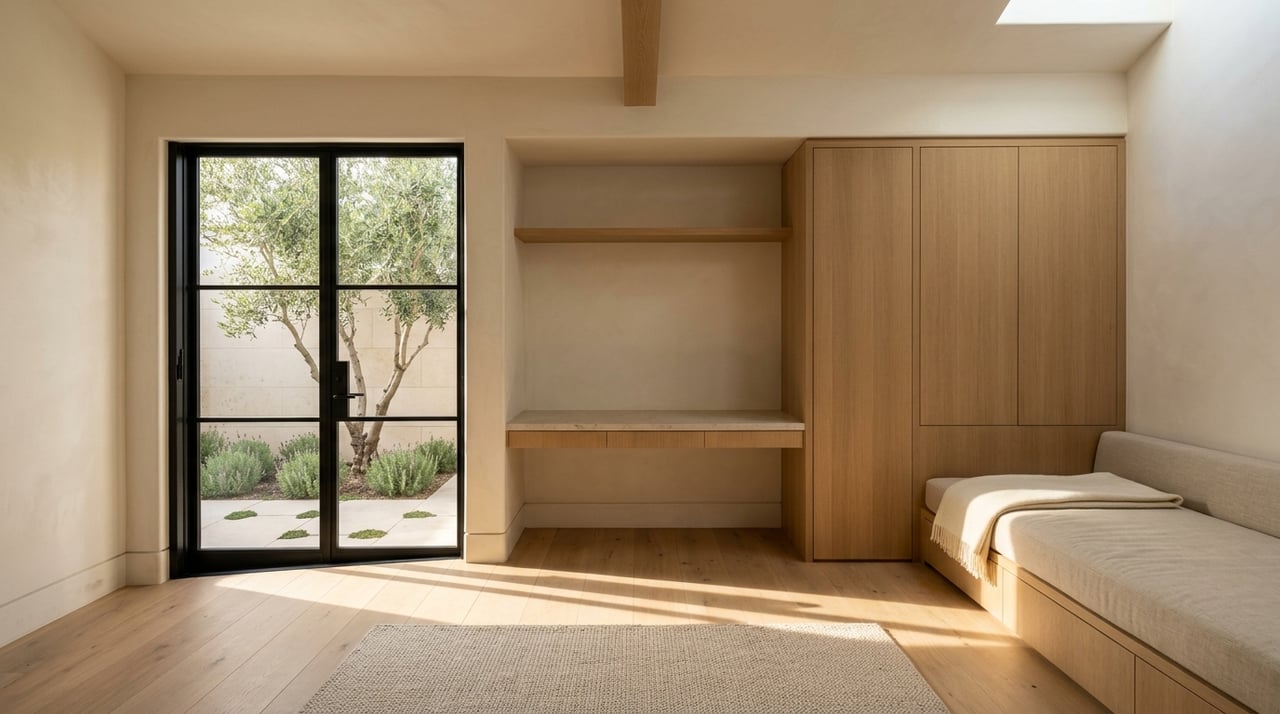
- Contemporary vineyard estates with minimalist lines, large glass walls, and seamless indoor-outdoor living.
- Compound-style properties with a main residence plus guest houses, employee housing, barns, or tasting rooms.
What drives architectural premiums
- Distinctiveness and authenticity. Architect-designed or historically significant homes often achieve higher prices because they are unique and offer a compelling narrative.
- Condition and integrity. Original materials and intact millwork, fenestration, and floors can increase desirability for buyers seeking authenticity. Extensive modernization can broaden appeal but may dilute heritage value.
- Flexibility and function. Contemporary estates with large entertaining areas or integrated winemaking facilities can command premiums among buyers seeking turnkey living and hospitality.
- Adaptation costs. Historic homes may require seismic retrofit, system upgrades, and wildfire hardening. These capital needs factor into buyer pricing unless strong provenance or incentives offset them.
Provenance that elevates a property
In St. Helena, history is a value driver when it is documented and meaningful. Buyers respond to a credible story.
What to document
- Architect of record, original plans, and period details.
- Notable prior owners or public recognition in books and articles.
- Association with a winery, a noted winemaker, or documented vintages produced on site.
- Chain-of-title and any recorded easements that support the property’s narrative and rights.
Positive vs. negative provenance
- Positive. Alignment with an established winery or a respected winemaker signals terroir quality and market access. Published history and awards create a marketing advantage.
- Negative. Past environmental issues, unresolved easements, or compliance violations can suppress price and add risk.
Historic designation: pros and cons
- Pros. Prestige, a clearer preservation narrative, and potential eligibility for historic incentives if listed at state or national levels.
- Cons. Restrictions on alterations, restoration standards, and added permitting complexity. Some buyers pay a premium for status, while others discount for limitations.
Site orientation and terroir
Your site’s orientation in St. Helena is more than aesthetic. It influences grape quality, vineyard viability, and long-term value.
Views and privacy
- Hillside or valley views and meaningful seclusion consistently command premiums.
- Long, steep, or seasonally challenging access can reduce marketability and increase operating costs.
Sun exposure and slope
- South and southwest aspects often provide favorable sun and drainage in many Napa microclimates. Optimal orientation varies by variety and micro-site.
- Elevation and slope affect ripening, frost risk, and erosion controls, which influence vineyard productivity and value.
Soils and water
- Soil type, depth, and drainage shape grape quality and vine health. Technical characterization typically relies on NRCS soil surveys and UC Davis viticulture research.
- On-site wells, permitted diversions, irrigation infrastructure, and documented water rights are material to valuation, especially given drought patterns.
Microclimate and frost risk
- Fog patterns, diurnal shifts, and cold-air pockets impact usable acreage and grape quality. These micro factors flow through to the per-acre value of planted land.
Access and proximity
- Close access to downtown St. Helena, services, and Highway 29 or Silverado Trail raises desirability for lifestyle and operations. Distance or difficult roads can require price adjustments.
Vineyard and winery factors that move the needle
If a property includes vines or production, the vineyard and winery components are appraised differently than the residence.
Planted acres and varietals
- Planted acreage with producing vines is valued differently than raw or plantable land. Mature, well-maintained vines of recognized varietals typically add value.
Income and contracts
- Historical yields and grape sales contracts help establish an income profile that supports valuation and underwriting.
Winery permits and infrastructure
- An existing permitted winery can be a significant premium driver, depending on scale and allowances. Permit status, allowed production, marketing events, and any conditions or violations are critical.
- Equipment quality, barrel capacity, crush pad design, utilities, and wastewater systems determine what a buyer must invest after closing.
Environmental and legal constraints
- Conservation easements, Williamson Act contracts, riparian setbacks, and stormwater controls shape development potential. These can offer tax benefits but limit future use, which affects value.
How buyers decompose value
Experienced buyers break value into distinct components, each with its own comparables and assumptions.
- Land. Per-acre land value depends on location, access, and developability.
- Vineyard. Per producing acre values vary by AVA, slope, productivity, and grape markets. Grape revenue history matters.
- Improvements. Residences, guest houses, winery buildings, and equipment are valued by quality, condition, and functional fit.
- Intangibles. Provenance, architectural distinction, views, and privacy drive premiums when supported by documentation.
Comparable sales near the subject property, especially those that isolate land, vineyard, and improvement values, are the most meaningful references because per-acre vineyard values can vary widely by micro-area and productivity.
Due diligence checklist for buyers
Organize your diligence around the factors that most often explain price differentials in St. Helena.
- Ownership and provenance: chain-of-title, prior owners, architect, plans, publications, and any historic listings.
- Architectural condition and systems: age, renovations, seismic retrofits, roofing, HVAC, electrical, plumbing, insulation, and material authenticity.
- Historic designation: local, state, or national listings and any standards or covenants for alterations.
- Vineyard specifics: total acreage, planted acreage by varietal and vine age, production history, grape contracts, and equipment inventory.
- Winery permits and operations: conditional use permits, permitted size and activities, marketing event allowances, and any ongoing conditions or violations.
- Soils and topography: NRCS data, slope and aspect, elevation, frost pockets, fog and diurnal notes.
- Water and utilities: well logs, permitted diversions, irrigation infrastructure, septic and wastewater capacity, electrical service, and broadband.
- Legal encumbrances: access and utility easements, conservation easements, agricultural tax programs, boundary surveys, and any pending litigation or code issues.
- Environmental and hazard exposure: wildfire risk, floodplain, earthquake and landslide considerations, and any known contamination.
- Access and services: road quality, distance to town and main corridors, emergency response considerations, and service availability.
- Operational economics: income and expense statements, labor arrangements, capital expenditure history, and replacement schedules.
Preparation guide for sellers
A complete, credible presentation can add leverage and shorten time to close in this market.
- Assemble a well-organized diligence packet with title records, recorded easements, permits, prior appraisals, vineyard maps, production and financial records, maintenance logs, and historic or architectural documentation.
- Highlight hard-to-quantify value: provenance stories, on-site wine awards or labels, original plans, and historical photography.
- Document wildfire mitigation and insurance-related upgrades such as defensible space, ember-resistant vents, roof materials, and backup water or pressure systems.
Risk, insurance, and mitigation
Wildfire risk and insurance availability are key market factors in Napa County. Properties in higher fire severity zones can face higher premiums, limited coverage options, or lender requirements. Buyers and sellers should evaluate defensible space, hardening measures, and emergency access. CAL FIRE maps and current insurance market advisories inform risk assessment, and documented mitigation often improves marketability.
Water availability is another driver. Well performance, permitted diversions, and irrigation systems affect vineyard viability. Groundwater management rules and drought-related limits can influence expansion plans and operating costs.
Putting it together: how features change price
Consider how these factors layer to shape buyer perception:
- A contemporary vineyard estate with strong sun exposure, mature planted acres, documented grape contracts, and a compliant permitted winery can appeal to buyers seeking immediate production and hospitality, which supports a premium.
- A historic residence with documented architect and original materials may command a higher price among buyers who value authenticity. If major system upgrades or seismic work are needed, expect buyers to underwrite those costs unless provenance and rare attributes outweigh them.
- A secluded hillside parcel with panoramic views often benefits from privacy premiums. If access is steep or seasonal, or if insurance is constrained, price negotiations typically reflect those realities.
How we help you evaluate and position value
You need clear guidance that blends design insight, land-use fluency, and market positioning. Our approach centers on three deliverables that matter in St. Helena:
- Architectural and provenance strategy. We help you document and present authentic stories that resonate with luxury buyers, from architect archives to winemaking history.
- Site and operations analysis. We synthesize soils, slope, water, and permit status with vineyard and winery operations so you see how each component supports value.
- Bespoke marketing and pricing. We pair a polished narrative with a custom campaign to reach out-of-area and global buyers who appreciate architecture, terroir, and turnkey systems.
When you are ready to purchase or present your estate, we will tailor a plan that respects your goals and the property’s legacy.
Connect with the Hillary Ryan Group to discuss your next step. Request a Private Consultation.
FAQs
How does architecture impact value in St. Helena?
- Architect-designed or historically significant homes with strong condition and integrity often earn premiums, while required upgrades are typically priced into offers.
What should I verify about historic status before buying?
- Confirm any local, state, or national listing, understand alteration standards, and review how those rules might affect renovations and permitting.
Why does slope aspect matter for vineyard estates?
- Sun exposure, drainage, and microclimate vary by aspect; south and southwest slopes are often favorable, but optimal orientation depends on variety and site.
How do winery permits influence pricing?
- Existing permits that define production scale and marketing allowances can significantly increase value, while violations or missing permits can depress it.
What are the biggest insurance considerations for hillside estates?
- Wildfire severity zones, required mitigation, and insurer availability influence coverage and cost; documented hardening measures can improve insurability.
What should sellers prepare before listing a producing vineyard?
- Provide production history, grape contracts, equipment inventory, permits, financials, and clear provenance and architectural documentation to support pricing.