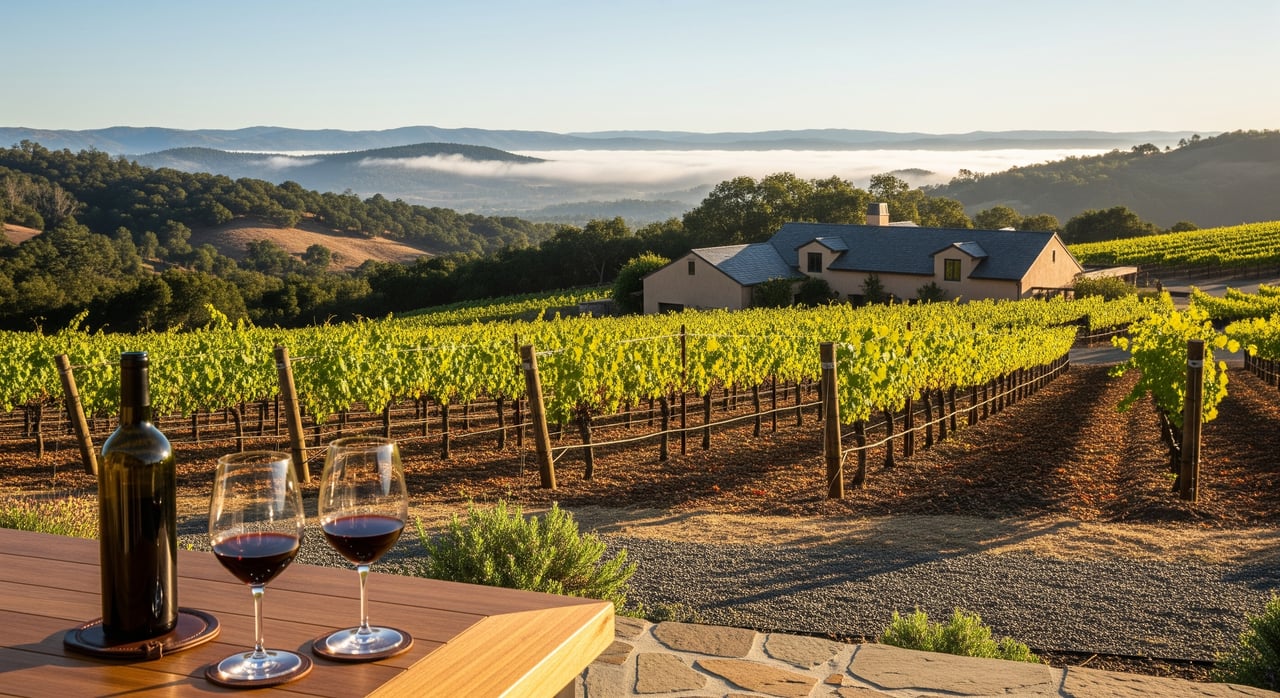
Is a listing’s “Napa” or “Sonoma” AVA a selling point or just a wine label detail? If you are exploring property in Sonoma County, you want clarity on what these terms mean for lifestyle, value, and future plans. In this guide, you will learn how Napa and Sonoma AVAs differ, how climate and terroir shape property choices, and what to verify before you buy or sell. Let’s dive in.
AVAs in plain English
An AVA is a federally recognized grape-growing region. It defines where grapes come from for wine labeling, not how land can be used. To put an AVA on a label, at least 85% of the grapes must be grown in that AVA, according to the TTB AVA program.
An AVA does not change your zoning or building rights. Winery operations, tasting rooms, and events are governed by county permitting. In Sonoma, those processes run through the county’s Permit and Resource Management Department. You can review current rules on the Sonoma County PRMD site.
Napa vs. Sonoma at a glance
Scale and diversity
Napa is a more compact corridor centered on Napa Valley. It contains a series of well-known sub-AVAs aligned with the valley floor and mountain slopes. Sonoma County is larger and more varied, with AVAs on the coast, in inland valleys, and across mountain ridges. That range drives different microclimates, soils, and grape choices.
Climate patterns
Napa Valley has moderate marine influence in the south, then warms toward the northern valley and on east-facing mountains. This supports Cabernet Sauvignon and other Bordeaux varieties. Sonoma shows stronger variation. Coastal fog and cool ocean air shape AVAs like Russian River Valley, Sonoma Coast, and Fort Ross-Seaview, which favor Pinot Noir and Chardonnay. Warmer inland pockets such as Dry Creek Valley and Alexander Valley perform well with Zinfandel, Merlot, and Cabernet. The takeaway is simple: in Sonoma, microclimate can change quickly from one valley or ridge to the next.
Soils and elevation
Napa’s sub-AVAs often feature volcanic soils, alluvial fans, and steep foothills that increase vine stress and influence quality. Sonoma presents coastal sandy loams, uplifted shale and sandstone, deep alluvial deposits, and inland volcanic remnants. Soil and slope affect development costs, erosion control, water needs, and which varieties thrive. UC research offers useful background on how climate and soils affect vine performance; explore the University of California’s agriculture and natural resources resources for context.
Grape varieties and styles you will hear about
Napa’s reputation centers on Cabernet Sauvignon and Bordeaux-style reds, with Chardonnay also present. Sonoma spans a broader mix. Cooler zones like Russian River, Green Valley, and Sonoma Coast are known for Pinot Noir and Chardonnay. Warmer areas such as Alexander Valley and Dry Creek Valley deliver Zinfandel, Merlot, and Cabernet. Carneros straddles both counties and is recognized for Pinot Noir and Chardonnay. If you plan to sell grapes, variety and AVA can influence market positioning and equipment needs.
Tourism and lifestyle context
Napa is known for a high-end, reservation-driven tasting scene with a strong hospitality footprint, including notable hotels and Michelin-starred dining. Sonoma offers a broader mix of small, family operations, agritourism, and spread-out tasting routes with rural appeal. For a feel of Sonoma’s culture and AVA landscape, browse the Sonoma County Vintners visitor and AVA information. For Napa’s AVA and visitor overview, visit Napa Valley Vintners.
For real estate, proximity to tasting routes, towns, or hotels can add convenience and demand, but it can also bring seasonal traffic. If you value privacy and quiet, seek parcels set back from high-density tasting corridors.
What this means for real estate in Sonoma
Value signals and AVA proximity
Being in or near a well-known AVA can help attract certain buyers, especially if a property includes a producing vineyard. It is not the sole driver of price. Site quality, water, access, views, and permitted uses often matter more.
Microclimate checks at the parcel level
In Sonoma County, a single ridge can separate fog-cooled pockets from warm, sun-exposed slopes. Ask for temperature patterns, frost pockets, and fog behavior across the season. Walk the land at different times of day. If grapes are planted, confirm rootstock, vine age, row orientation, trellis system, and yields. If you plan to develop a vineyard, assess wind exposure, drainage, and slope to understand how vines may perform.
Soil, slope, and water
Soils and slope influence both cost and quality potential. Alluvial flats can offer vigor and easier development, while rocky or steep sites demand erosion control and careful planning. Water supply is critical. Some parcels rely on wells, others on surface water rights or trucked water. California drought planning and local groundwater rules can influence what you can plant and how you irrigate. Build water due diligence into your timeline and budget.
Permits, wineries, and events
If your goal includes making and selling wine or hosting tastings, know that AVA status does not confer business rights. You will need federal and state licenses, and local permits for winery operations. Sonoma County manages production thresholds, tasting rooms, events, and traffic through its use-permit process, outlined on Sonoma County PRMD. If you are comparing rules, you can review Napa’s framework via Napa County Planning, which has its own standards and approval paths.
Risk, insurance, and resilience
Wildfire exposure is a real factor in both counties. Risk influences insurance availability, premiums, and some building requirements. Before you write an offer, review Cal Fire mapping and resources to understand local hazard zones and best practices for defensible space and ember-resistant construction. Confirm your ability to bind insurance at acceptable terms. Consider backup power, water storage, and ingress/egress planning.
Infrastructure also matters. Confirm road access, slope stability, septic or sewer, and any recorded easements. These details affect appraisals, lender readiness, and day-to-day livability.
Buyer checklist for Sonoma properties
- Confirm whether the parcel sits inside a specific AVA and understand what that means for grape marketing, not zoning.
- Document microclimate patterns, frost risk, fog behavior, and heat accumulation on site.
- Order soil and slope assessments to estimate vineyard development and maintenance needs.
- Verify water sources, production history, storage, and any groundwater or surface rights.
- Review existing vineyard blocks: variety, clone, rootstock, age, spacing, trellis, irrigation, and yields.
- Check for winery or event permits if a tasting component is part of your plan.
- Evaluate wildfire risk, insurance quotes, and mitigation features before final negotiations.
- Note proximity to tasting routes and towns if you value either access or seclusion.
Seller checklist to maximize market appeal
- Accurately represent AVA location and do not imply production or labeling rights beyond what exists.
- Highlight microclimate, soil type, slope, and irrigation only if verified.
- Disclose water, septic, road access, and any winery or event permits with documentation.
- Share grape contracts, tonnage history, and variety mix if the vineyard produces income.
- Address defensible space and mitigation steps to support insurance discussions.
- Position proximity to visitor amenities thoughtfully, noting both convenience and seasonal patterns.
When to lean Napa or Sonoma
If your vision centers on Cabernet-focused wine and a concentrated valley setting, Napa’s sub-AVAs offer aligned conditions. If you want broader variety options, from cool-climate Pinot Noir and Chardonnay to warmer Zinfandel and Cabernet sites, Sonoma’s range is a fit. The most important factor is your specific parcel. Microclimate, soils, slope, water, and access often matter more than the county line.
Your next step
Whether you are acquiring a Sonoma estate, selling a legacy vineyard, or comparing Napa and Sonoma options, you deserve discreet, data-backed guidance. The Hillary Ryan Group specializes in high-value vineyard and estate transactions, pairing local land expertise with bespoke marketing and global reach. Request a Private Consultation.
FAQs
What is an AVA and why does it appear on wine labels?
- An AVA is a federally recognized grape origin area used for labeling, and at least 85% of grapes must come from that AVA to use the name, per the TTB AVA program.
Does being in a Sonoma AVA change what I can build on my property?
- No, AVA status does not change zoning; county rules and use permits control development, tasting rooms, and events through Sonoma County PRMD.
Can I make and sell wine from my Sonoma property?
- You will need federal and state licenses and county approvals; Sonoma manages winery and event permits through its use-permit process at Sonoma County PRMD.
Which areas are better for Pinot Noir versus Cabernet?
- Sonoma’s coastal and fog-influenced AVAs favor Pinot Noir and Chardonnay, while Napa Valley and warmer inland Sonoma areas favor Cabernet and other Bordeaux varieties, with site specifics being key.
Do AVAs affect insurance or resale value?
- AVA status does not directly affect insurance; wildfire risk and infrastructure do, while AVA proximity can help attract wine-focused buyers at resale.
How can I confirm whether a parcel sits inside an AVA?
- Review official AVA boundaries and naming rules through the TTB AVA program pages and maps and verify details during due diligence.