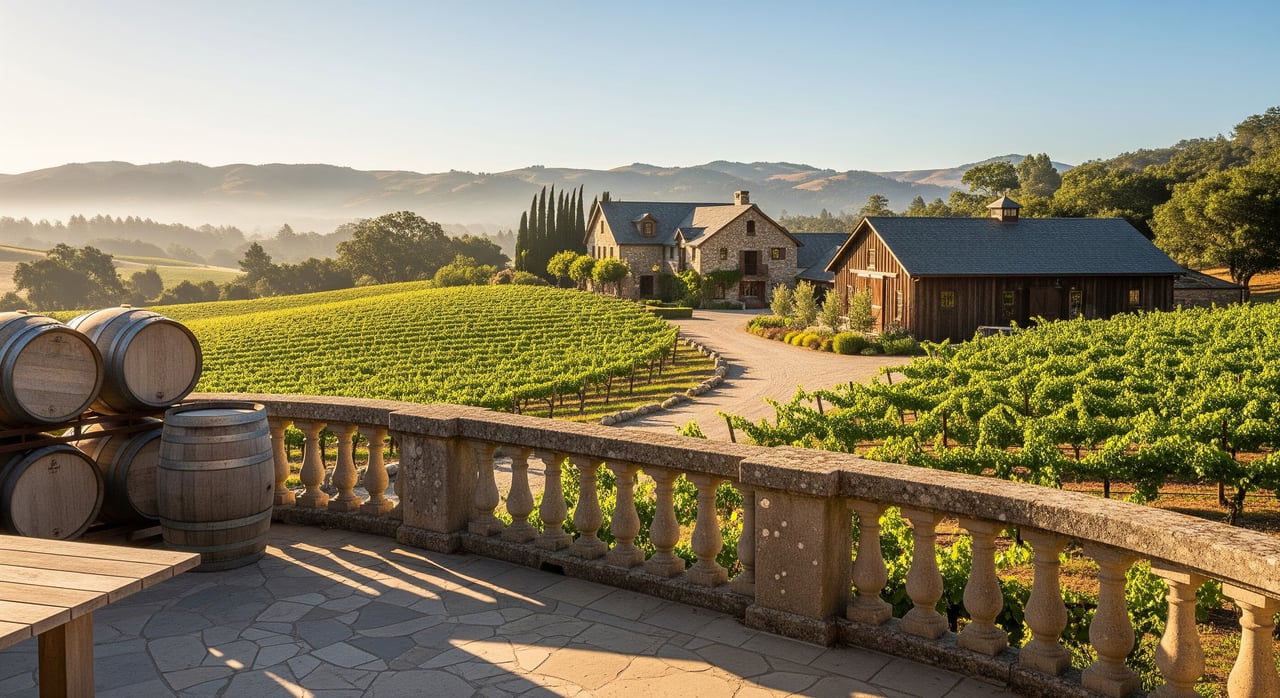
Thinking about buying a vineyard around Healdsburg? You are not alone. The area sits at the crossroads of prized Sonoma County appellations and a robust wine-tourism scene, which makes it compelling for both production and brand-building. The key is knowing how to evaluate land, water, vines, and permits before you invest. In this guide, you will get a clear framework to assess parcels, model timelines and risks, and choose the right path for your goals. Let’s dive in.
Why Healdsburg stands out
Healdsburg is surrounded by notable Sonoma County AVAs, including Russian River Valley, Dry Creek Valley, and Alexander Valley. Appellation identity shapes grape pricing potential and buyer demand for fruit. The town also benefits from strong tourism and proximity to established wineries, which can support grape contracts and direct-to-consumer strategies if you plan to make wine.
If you prioritize quality-driven fruit, pay close attention to the parcel’s AVA and its specific microclimate. Even short distances around Healdsburg can mean very different fog influence, temperature swings, and harvest timing.
Define your investment profile
Clarify your objectives first. Your strategy, due diligence, and timeline will flow from this decision.
Owner-operator
You plan to grow grapes and possibly produce wine. You should evaluate soils, water, plant material, and processing infrastructure, plus how to secure fruit contracts or a custom crush partner. Permitting requirements become more complex if you intend to add a bonded winery or a public tasting room.
Land investor
You want to own vineyard acreage and lease to experienced growers or wineries. Focus on AVA quality, existing vine health and yields, and water reliability. Multi-year grape contracts can help stabilize income.
Lifestyle buyer
You value a wine-country retreat with supplementary vineyard income. Prioritize views, privacy, and manageable vineyard operations. Verify that the scale of farming and any on-site hospitality ideas match zoning allowances.
Conservation or development buyer
You may be exploring conservation easements or future conversion projects. Confirm title restrictions, easements, and land-use rules early, since these can define both the property’s use and its long-term value.
What makes a vineyard site work
The land itself drives wine quality and economics. A structured assessment can prevent costly surprises.
Soils, slope, and aspect
Soil depth, drainage, and rock content influence vine vigor and potential fruit concentration. Slope and aspect affect frost risk, sun exposure, and mechanization options. Commission a professional soils study and parcel map so you know where premium blocks could be planted and what areas may need erosion control.
Practical steps:
- Engage a soil scientist to dig pits and submit lab analyses.
- Review NRCS soils maps and topographic surveys for slope and aspect.
- Plan erosion control measures before planting or replanting.
Water and irrigation
Water is a gating factor. Around Healdsburg, you will find a mix of groundwater wells and surface water rights. Verify well logs, pump tests, legal rights to divert or store water, and any basin management constraints. Drought planning is essential, including backup strategies and irrigation efficiency.
What to verify:
- Well permits, capacity, and recent performance.
- Surface or riparian rights documentation.
- Any restrictions from local groundwater sustainability plans.
Microclimate and variety fit
Microclimates vary rapidly in this area. Fog, wind, and diurnal temperature swings can differ within a few miles. Choose varieties and clones that match the site’s heat profile and frost exposure. For example, a cooler pocket may favor Pinot Noir or Chardonnay, while warmer areas might align with Cabernet Sauvignon or other Bordeaux varieties.
Vine age and plant material
Existing vineyards require a careful look at age, rootstock, clones, spacing, and trellis system. Older blocks can carry brand cachet but may need near-term replanting and trunk disease mitigation. Young vines take time to reach full production, so factor yields and revenue ramp into your model.
Pest and disease history
Ask for records of spray programs, certifications, and any known issues such as phylloxera, powdery mildew, mites, botrytis, or trunk disease. Recent wildfire seasons add another variable. While vines are resilient, smoke exposure during ripening can affect wine quality and marketability for that vintage.
Financial model and timing
Vineyard investments are multi-year by design. Set expectations early and build conservative scenarios.
Production timeline
New plantings typically produce usable fruit around year 3. Full commercial yields commonly develop between years 5 and 7. Replacement cycles and disease management should be included in long-range capital planning.
Upfront capital and infrastructure
Beyond land cost, plan for site preparation, planting, trellising, irrigation systems, roads and fencing, and frost protection. If you intend to produce wine, budget for processing, wastewater handling, and potential construction of winery or tasting facilities. Use region-specific enterprise budgets to develop line-item estimates.
Operating costs
Annual expenses typically include labor for pruning and canopy work, pest and disease management materials, irrigation, insurance, property taxes, equipment upkeep, and harvest operations. Labor availability and regulatory requirements can influence your schedule and costs.
Revenue pathways
The most common revenue is grape sales to wineries. Price per ton will vary by variety, AVA, vineyard quality, and vintage. Alternative options include producing wine with a custom crush partner, creating a direct-to-consumer program, leasing vineyard acreage, or exploring agritourism where zoning allows. Contract structure matters. Multi-year grape contracts add stability but may trade off upside in strong markets.
Taxes and valuation
California property taxes are assessed at purchase under state rules. Certain agricultural programs, such as Williamson Act contracts, may reduce taxes in exchange for use limits. Work with a tax advisor who understands agricultural depreciation for vines, equipment, and improvements.
Permits, zoning, and compliance
In Sonoma County, growing grapes is treated differently from operating a winery or public tasting room. Adding a winery or hospitality component typically involves conditional use permits, environmental review, traffic and parking studies, and wastewater plans. Signage, events, and on-site lodging are also shaped by local ordinances.
Start with a parcel-specific zoning check. Understand what is allowed by right, what triggers a permit, and the scope of any environmental review. Planning clarity early in the process can save time and reduce risk later.
Risk management and resiliency
Winegrowing is subject to climate and natural hazards. A realistic plan protects both crops and cashflow.
Wildfire and smoke
Wildfire risk is part of the region’s reality. Factor in defensible space requirements, vegetation management, and access improvements. Smoke exposure during ripening can affect vintage outcomes, so include contingency plans for testing and winemaking adjustments when needed. Insurance availability and pricing can vary with risk profile.
Drought and heat
Recurrent droughts and heat events can reduce yields and change variety performance. Water conservation practices and irrigation strategies can help, but they may affect yield and composition. Confirm that your site and water sources can support vines across variable seasons.
Frost and extreme weather
Spring frost protection is common in parts of Sonoma County. Wind machines, heaters, and sprinklers add cost but can protect early-season growth. Topography and cold-air drainage play a large role in frost exposure, so map risk by block.
A practical due diligence checklist
Use this list to structure your review before you write an offer.
- Title and easements
- Confirm access, utility easements, conservation or use restrictions, and any historic winery agreements.
- Existing contracts
- Collect grape contracts, custom crush agreements, leases, and water-sharing documents. Confirm assignability and expiration.
- Physical and agronomic assessment
- Obtain soils and lab analyses, slope and aspect maps, drainage review, historic yields, and records of vine age, clones, and rootstocks.
- Pest and disease history
- Request spray logs, inputs records, and any certifications that may influence market options.
- Water audit
- Compile well logs, pump tests, metering data, surface water rights, and documentation for any appropriations or adjudications.
- Regulatory and permitting
- Verify zoning, prior permit conditions, septic capacity, and any past violations or open code items.
- Infrastructure and access
- Evaluate roads, erosion control, power and communications, storage, and processing areas if applicable.
- Insurance and fire mitigation
- Obtain quotes, identify underwriting requirements, and scope defensible-space improvements.
- Financial modeling
- Build multi-year cashflows using conservative yield and price assumptions. Stress-test for drought, smoke, or price swings.
- Professional team
- Line up a viticulturist, soil scientist, hydrologist, agricultural real estate attorney, CPA experienced in farm taxation, land-use consultant, and an insurance broker familiar with agricultural properties.
How to move forward with confidence
The most successful vineyard acquisitions around Healdsburg start with a clear investment profile, a disciplined technical review, and realistic timeline planning. Your ability to secure water, choose the right plant material, and navigate permits will shape both risk and return. With the right due diligence and expert team, you can position the asset for long-term value, whether you plan to sell grapes, build a brand, or hold for appreciation.
If you are considering a vineyard or estate with vines in or around Healdsburg, we can help you define the right target profile, coordinate specialist evaluations, and negotiate with confidence. For a discreet conversation about your goals, contact the Hillary Ryan Group. Request a Private Consultation.
FAQs
How long until a new Healdsburg vineyard produces fruit?
- Most new plantings produce usable fruit around year 3 and reach full commercial yields in about 5 to 7 years.
What are the biggest up-front costs beyond land?
- Site preparation, planting and trellising, irrigation installation, roads and fencing, and frost protection. If you plan to make wine, budget for processing and wastewater systems.
Are grape prices in Sonoma County stable year to year?
- No. Prices vary by variety, AVA, vineyard quality, and vintage conditions. Build financial models with sensitivity to both price and yield.
What permits are needed to open a tasting room in Sonoma County?
- Public tasting rooms and wineries typically require conditional use permits, environmental review, traffic and parking plans, and wastewater compliance. Check parcel zoning early to confirm what is allowed.
How do AVA boundaries affect vineyard value near Healdsburg?
- AVA designation influences market positioning and potential grape pricing. Parcels within recognized AVAs can benefit from established reputations that align with specific varieties and styles.