Imagine waking to soft fog drifting off neat vineyard rows, coffee in hand, and a quiet valley spread before you. If you crave room to breathe, long views, and a peaceful setting that still keeps you close to Napa’s best estates, Oakville may be your place. In this guide, you’ll learn how estate living works here, from property types and daily rhythms to land-use rules, safety, and operating realities. Let’s dive in.
Why Oakville stands out
Oakville sits in the heart of Napa Valley within the federally recognized Oakville American Viticultural Area, a compact appellation defined in the Code of Federal Regulations. The AVA lies on the valley floor between the Vaca and Mayacamas ranges, and it is closely associated with Cabernet Sauvignon. Warm days and cooling morning fogs support elite vineyard sites and contribute to the area’s reputation for quality fruit. For official boundaries and context, review the Oakville AVA definition and the Oakville AVA overview.
Daily rhythm and local landmarks
The “Golden Mile” convenience
Oakville Cross Road links Highway 29 and the Silverado Trail through a short band of iconic vineyards and tasting rooms, often called Napa’s “Golden Mile.” That proximity means many estates enjoy vineyard-front views and quick access to marquee tasting experiences. If you like to host or plan curated weekends, this central corridor makes it simple to enjoy top wineries without long drives. Explore the area’s broader wine-country context via Sunset’s Napa Valley travel overview.
Appointments and privacy
Oakville is anchored by names that draw global attention, such as Opus One and the Robert Mondavi estate. Many tastings in this corridor are appointment-only, which helps maintain a calm, intentional pace. If you value privacy, that culture supports quieter roads in non-peak seasons and a more reserved, estate-focused feel. See the appointment-based approach at Opus One’s concierge page.
Everyday essentials at Oakville Grocery
For easy provisioning, the historic Oakville Grocery remains a beloved stop for sandwiches, picnic supplies, and local goods. It is a small but meaningful anchor for quick errands between property and tastings. That convenient touchpoint helps day-to-day life feel simple and close-knit. Get a taste of this landmark’s role through the Oakville Grocery listing.
Seasons that shape your week
The valley tends to be quieter in winter and spring. Late summer through harvest brings more visitor activity, tasting reservations, and seasonal vineyard work on nearby country roads. If you prefer solitude, you will love the off-peak months. If you enjoy a lively scene, the harvest period offers energy and buzz without leaving home.
What estate living looks like
Parcel scale and privacy
Oakville offers a spectrum of parcels, from single-acre homes adjacent to vines to multi-acre estates with working vineyards. Larger properties often include gated drives, guest houses, detached garages or workshops, pools, and recreational pads. Many are multi-million-dollar assets, reflecting the scarcity of land and the prestige of location. If you want privacy and room to spread out, Oakville’s lot sizes and siting deliver.
Design for indoor–outdoor life
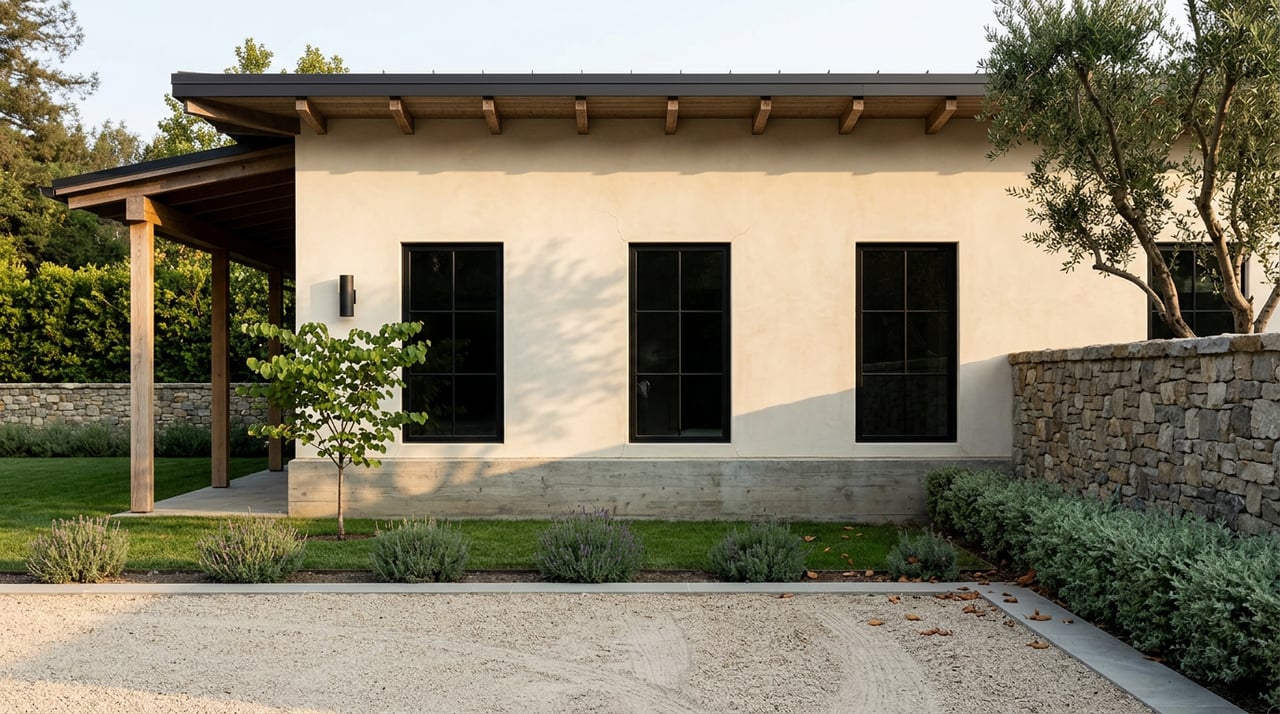
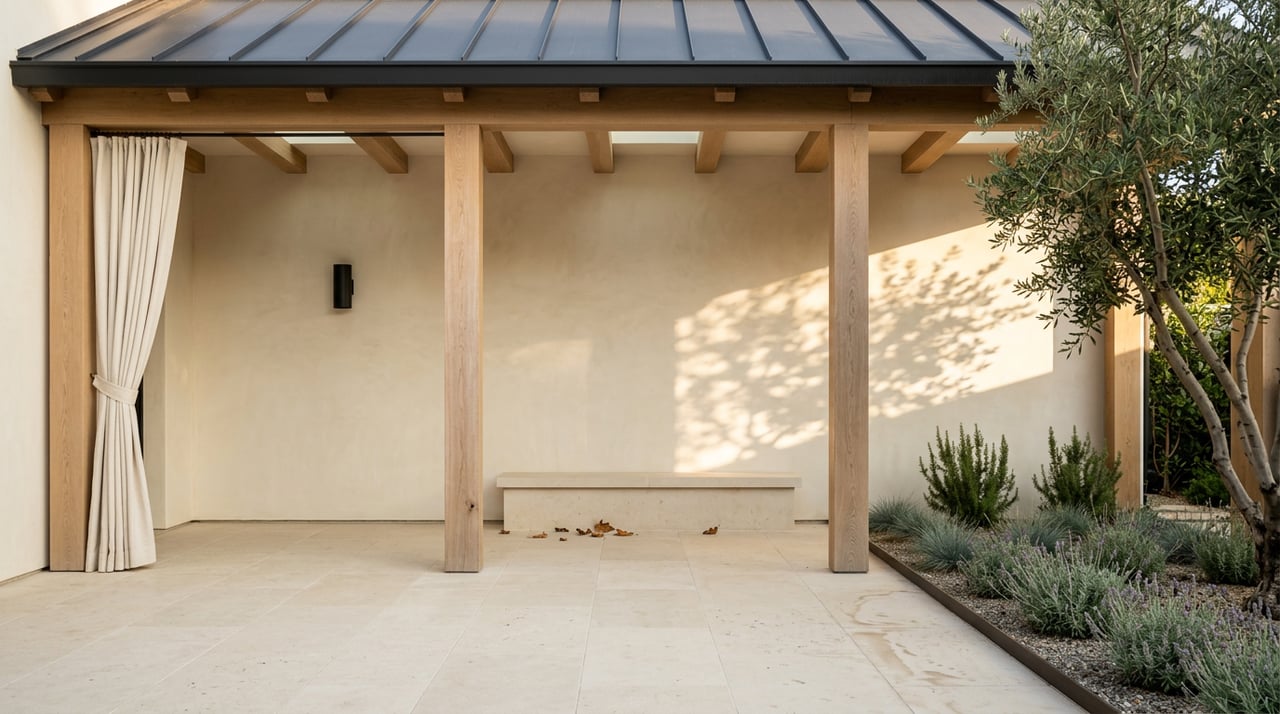
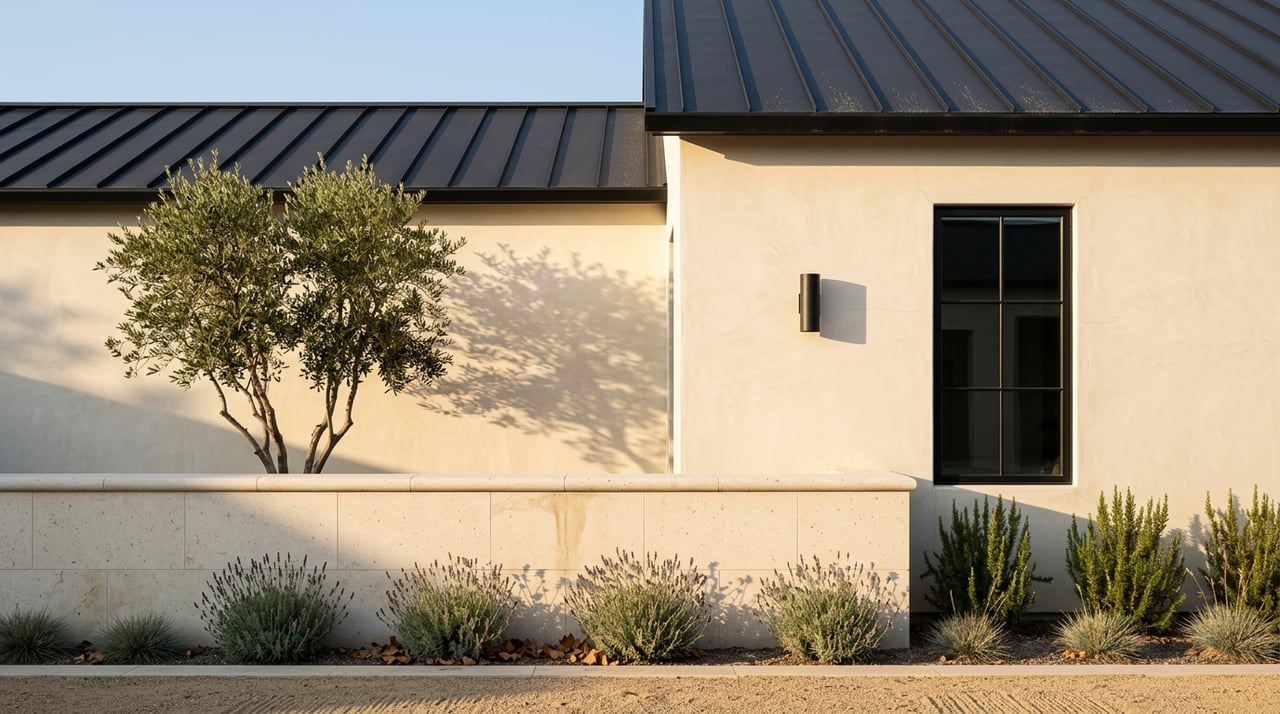
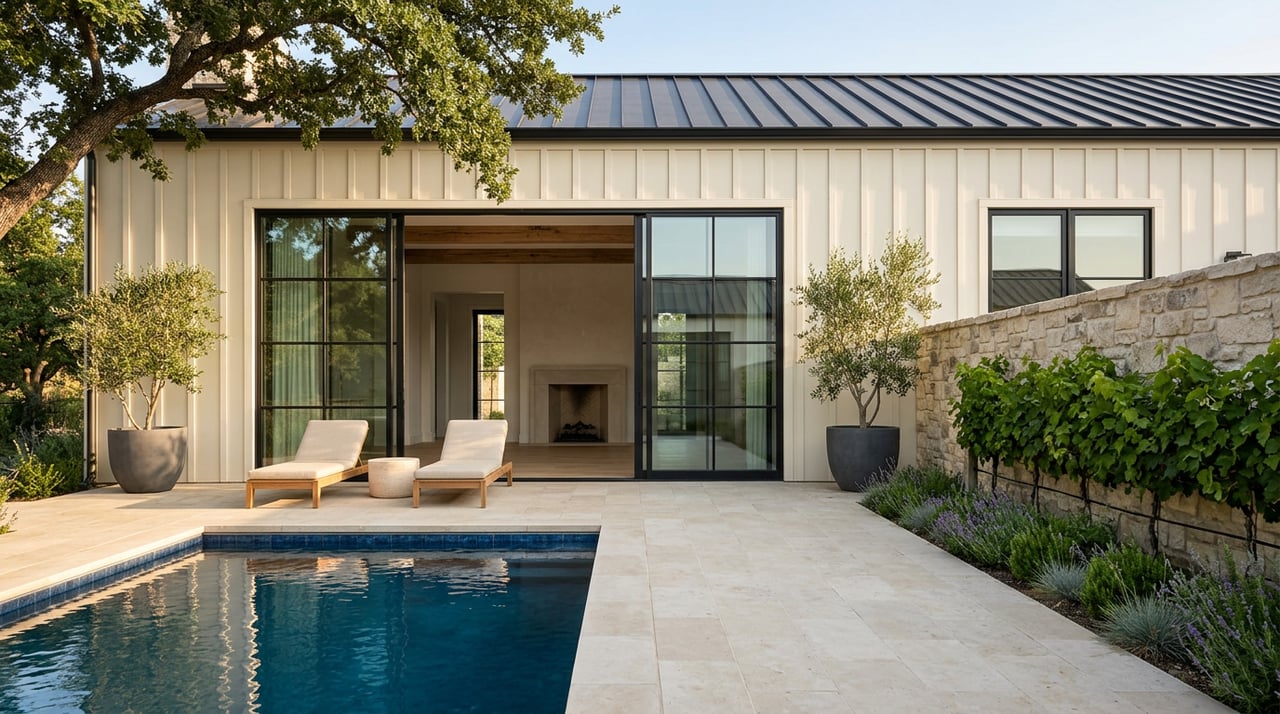
Architecture here leans into the landscape. Expect wide glass walls or accordion doors, covered loggias and patios, outdoor kitchens, dining terraces, and pool-spa zones that frame vineyard views. Private tasting rooms or wine cellars are common, as are guest cottages or ADUs for hosting. The result is a home that lives comfortably outdoors much of the year.
Vineyard vs. residential estates
Some buyers want a residential retreat near vines, with limited farming obligations. Others prefer acreage with planted vineyards, irrigation infrastructure, and potential production. If you plan to explore on-site winemaking or any hospitality use, Napa County’s Winery Definition Ordinance and use-permit process apply. Review the county’s planning policy documents early to understand what is allowed.
Space, views, and privacy in practice
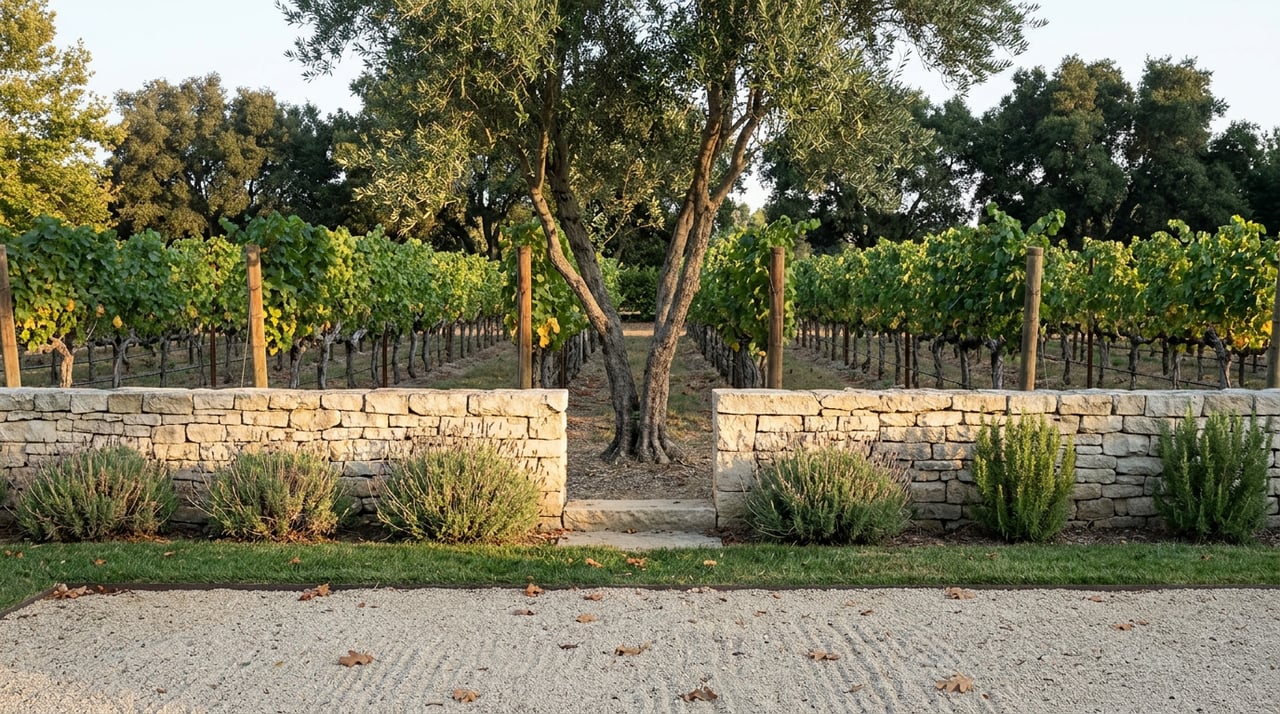
Morning light filters across rows as fog lifts. Midday, folding doors slide open to a shaded loggia for lunch overlooking vines. Afternoons invite a swim, a quick trip to the grocery, or a nearby appointment-only tasting. Evenings settle into quiet skies, a fire feature, and long, open views. In Oakville, space gives you margin, views connect you to the land, and privacy keeps daily life serene.
Ownership essentials
Land-use protections that preserve character
Napa County’s General Plan prioritizes agriculture and open space, channeling growth toward city limits and preserving vineyard land in the unincorporated valley. That framework is a major reason Oakville retains its agrarian feel and why non-agricultural development is limited. Understanding these protections helps you assess long-term value and feasibility. For policy context, see the Napa County General Plan.
Winery Definition Ordinance and permits
The Winery Definition Ordinance sets definitions and limits around production, grape sourcing, and accessory uses that shape whether and how a parcel can host winery operations or hospitality. If you are considering any form of on-site production or visitor activity, consult county planning staff and review the WDO materials before you write an offer. Early diligence prevents costly surprises.
Conservation easements
Permanent conservation tools, such as agricultural conservation easements, are used to protect vineyard land and can influence what you can do with a parcel in perpetuity. If a property has or could be a candidate for an easement, discuss long-term implications with your advisors. Easements can align with legacy goals and offer potential tax benefits while preserving open space.
Property tax and transfers
For high-value estates, California’s property tax rules and base-year transfer programs can materially affect holding costs. If you are a qualifying senior or considering intergenerational planning, review Napa County’s guidance and connect with the assessor’s office early. Start with the county’s Base-Year Transfer overview.
Safety, climate, and operations
Fire hazard designations and defensible space
Napa County has adopted updated fire hazard severity maps that affect building standards, access, and defensible-space requirements in higher-risk areas. Recent fires demonstrated both structural risk and the need for proactive preparation. Expect a stronger focus on vegetation management, hardened materials, and safe ingress-egress. See the county’s Fire Hazard Severity Zone and preparedness information for current guidance.
Smoke events and vineyard decisions
Even when structures are safe, wildfire smoke and evacuations can disrupt normal life and vineyard schedules. Research has documented how smoke exposure can influence harvest timing and winemaking decisions. If your estate includes vines, plan for monitoring and flexible pick calls during active smoke periods. Review UC Davis insights on smoke impacts for context.
Utilities, services, and staffing
Rural estates often rely on wells, septic systems, and private irrigation networks rather than municipal utilities. If you own or border vineyards, budget for seasonal labor, canopy management, irrigation checks, equipment upkeep, and specialized insurance. A clear operating plan keeps the romance intact without surprise expenses.
Lifestyle fit: Is Oakville right for you?
- You collect wine or appreciate proximity to marquee producers.
- You value privacy, acreage, and long, unbroken views.
- You want a residence that lives like a resort with guest-ready spaces.
- You work remotely or accept an occasional Bay Area commute for a quieter daily life.
For commute context, Oakville sits roughly an hour to 90 minutes from San Francisco depending on route and traffic. See typical routing via Travelmath’s distance tool.
Oakville vs. nearby enclaves
- Oakville vs. Rutherford: Both lie on the valley floor and are Cabernet-focused. Oakville’s compact AVA, proximity to historic sites like To Kalon, and distinctive alluvial fans concentrate high-value micro-sites, while Rutherford has its own celebrated profile. Learn more in the Oakville AVA overview.
- Oakville vs. Yountville and St. Helena: Yountville is more restaurant-centric and walkable, and St. Helena offers small-town shops and services. Oakville feels quieter and more agrarian, with estates spaced among vineyards and fewer sidewalks. For a sense of the valley’s character by town, see Sunset’s guide.
How to evaluate an Oakville estate
Use this quick framework to focus your search and diligence.
- Site and setting
- Confirm orientation for sunrise or sunset views and privacy from public roads.
- Evaluate drive times to Oakville Cross Road, Highway 29, and the Silverado Trail for daily convenience.
- Water and utilities
- Identify well and septic systems, age of equipment, recent tests, and any shared irrigation lines.
- If vineyards are present, understand irrigation sources, pumping, and storage.
- Vineyard status
- Clarify whether vines are owner-farmed or managed under contract, and what varietals and acreage are planted.
- Review any grape purchase agreements or farm management contracts that run with the property.
- Use permissions and constraints
- If you envision on-site production or hospitality, review the WDO and policy documents and consult county planning staff.
- Check for conservation easements or deed restrictions that limit future development.
- Safety and resilience
- Examine defensible-space compliance, access for emergency vehicles, and any recent hardening upgrades.
- Confirm fire-hazard designations using the county’s FHSZ resources.
- Operating plan and budget
- Estimate annual landscape and vineyard services, utilities, insurance, and staffing.
- Plan for periodic capital items such as driveway resurfacing, pool equipment, or well pump replacement.
- Lifestyle alignment
- Consider your seasonal preferences: quieter winters and springs, or the energy of late-summer-to-harvest.
- Map out your ideal week to confirm the home supports hosting, work, and wellness.
Next steps
If Oakville’s mix of space, views, and privacy speaks to you, the right advisor will help you balance lifestyle goals with land-use clarity and long-term value. Our team pairs refined marketing and design fluency with underwriting-style analysis so you buy or sell with confidence. When you are ready to talk strategy, market access, or a discreet search, connect with the Hillary Ryan Group. Request a private consultation.
FAQs
What defines Oakville estate living in Napa Valley?
- A serene, agrarian setting on the valley floor with vineyard views, larger parcels, and proximity to appointment-based tastings, supported by the Oakville AVA’s Cabernet-focused terroir.
Are Oakville estates allowed to host winery tastings or events?
- Any on-site production or hospitality is governed by Napa County’s Winery Definition Ordinance and use-permit process, so you should review the WDO materials and consult county planning early.
How does wildfire risk affect owning an Oakville estate?
- Updated fire hazard severity maps influence building standards and defensible space; review the county’s FHSZ guidance and plan for vegetation management and hardening.
What is the difference between a vineyard estate and a residential estate in Oakville?
- Residential estates prioritize lifestyle and privacy near vines, while vineyard estates add farming operations, irrigation systems, and potential production considerations.
How far is Oakville from San Francisco, and is a commute realistic?
- Depending on traffic and route, plan roughly 60 to 90 minutes each way; check typical routing via Travelmath’s distance tool.
What should I know about property taxes and transfers for Napa estates?
- California’s property tax rules and base-year transfers can affect holding costs, so begin with the county’s Base-Year Transfer overview and speak with the assessor early.